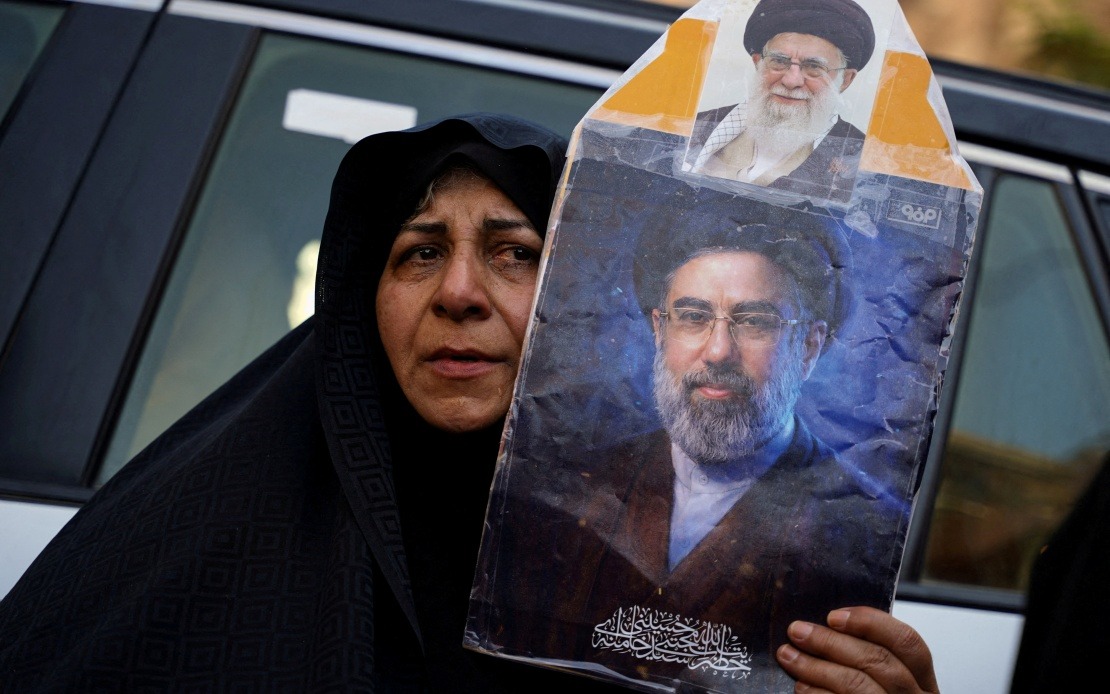
Iranian Supreme Leader Mojtaba Khamenei has escalated rhetoric against the United States, declaring that American violations of a recently concluded peace memorandum demonstrate the fundamental unreliability of commitments bearing President Donald Trump's signature. Speaking through Iranian media on Saturday, Khamenei directly challenged the legitimacy of the accord signed between the two nations on June 18, arguing that repeated breaches have validated longstanding Iranian scepticism about American trustworthiness in diplomatic negotiations.
The memorandum of understanding represented an unexpected diplomatic opening between Washington and Tehran, establishing a framework for substantive negotiations within 60 days aimed at producing a comprehensive final agreement. The accord's signing appeared to offer a potential pathway toward de-escalation in a region marked by decades of hostility, strategic competition, and periodic military confrontation. However, the optimism surrounding the agreement has rapidly evaporated as both parties accuse each other of fundamental violations, threatening to render the diplomatic initiative entirely stillborn.
Khamenei's characterisation of Trump's signature as worthless reflects a deeply rooted Iranian perception regarding American diplomatic conduct. The Supreme Leader invoked historical precedent, framing the current episode as emblematic of what he termed a "dark experience of crime and breach of promises," suggesting that this pattern represents not an aberration but rather an inherent feature of American foreign policy. By portraying recent violations as validation of this broader thesis, Khamenei sought to solidify domestic consensus that negotiation with the United States fundamentally cannot produce durable outcomes.
The deterioration occurred against a backdrop of intensifying military operations. The United States conducted multiple rounds of strikes against Iranian positions across recent days, while Tehran responded with retaliatory attacks targeting American military installations and facilities throughout the region. This tit-for-tat escalation unfolded supposedly while both parties remained theoretically committed to the negotiating framework, revealing the profound trust deficit underlying the peace initiative.
Iran's Deputy Foreign Minister for Legal and International Affairs Kazem Gharibabadi formalised Tehran's position by announcing that Iran has ceased fulfilling its obligations under the memorandum, effectively suspending Iranian compliance with the accord's terms. This represents a significant escalatory step, signalling that Iranian leadership views the agreement as no longer operationally binding and that continued adherence would constitute unilateral disarmament in the face of American violations.
For Malaysian policymakers and regional observers, the Iran-US diplomatic collapse carries substantive implications. Southeast Asia maintains significant economic relationships with both Iran and the broader Western alliance. Renewed Middle Eastern instability threatens global energy markets, potentially driving petroleum prices upward and increasing costs for energy-dependent economies throughout the region. Additionally, intensified US-Iran confrontation could complicate efforts by regional middle powers to maintain balanced foreign policy postures and preserve space for independent diplomatic manoeuvre.
Khamenei's warning that continued American "warmongering" would provoke "unforgettable lessons" from Iran and its regional allies suggests preparations for escalated confrontation. The invocation of the "resistance front"—a reference to Iran's network of allied militias and state partners throughout the Middle East—indicates that Iranian retaliation may extend beyond direct bilateral exchanges to encompass proxy forces and irregular military actors. This threatens not merely direct US-Iran conflict but rather wider regional destabilisation affecting multiple state actors and civilian populations.
The fundamental challenge confronting both parties centres on the credibility problem that Khamenei identifies. American withdrawal from the Iranian nuclear agreement negotiated under the previous administration created legitimate Iranian doubts regarding the durability of any US diplomatic commitment. Conversely, American officials harbour comparable scepticism regarding Iranian compliance with negotiated terms. Breaking this cycle of reciprocal distrust requires genuine deescalatory gestures, verified compliance mechanisms, and international mediation—none of which appear currently operational.
The memorandum's failure within weeks of signature suggests that neither party possessed adequate confidence that the other would honour its commitments, yet both proceeded with signing despite this fundamental uncertainty. This paradox indicates that both sides may have faced domestic political pressures compelling agreement, even while harbouring reservations regarding feasibility. Alternatively, the accord may have represented merely tactical positioning rather than genuine strategic reorientation.
Regional states must now calculate responses to renewed US-Iran confrontation. Iraq, Syria, and Lebanon—where American and Iranian forces maintain competing influence—face particular vulnerability to escalation. Saudi Arabia and Gulf Cooperation Council members must reassess their security arrangements amid renewed American-Iranian tensions. Southeast Asian nations, though geographically distant, cannot ignore the potential economic and security reverberations of Middle Eastern instability.

