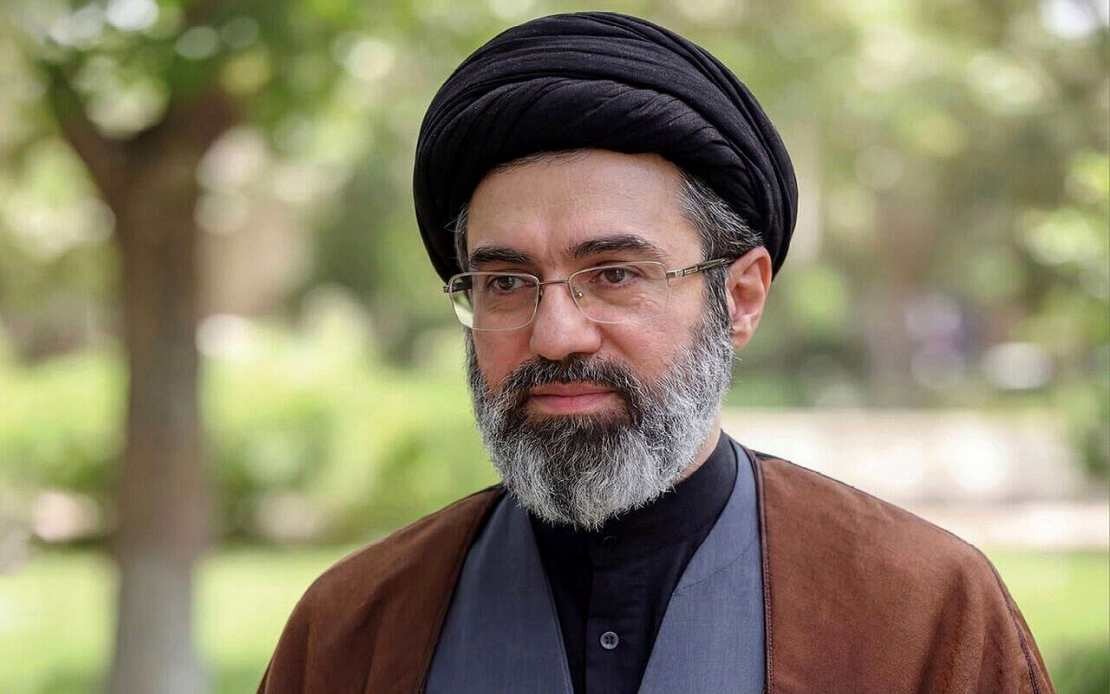
Iranian President Masoud Pezeshkian has moved to reassure the nation about the wellbeing of Supreme Leader Mojtaba Khamenei, describing him as being in perfect health during a television interview with state broadcaster IRIB TV on Monday. The statement comes as Iran's leadership addresses questions surrounding the new supreme leader's fitness and capacity to govern following an unprecedented transition of power in the Islamic Republic earlier this year.
The president's public affirmation follows an extended seven-hour meeting between the two leaders, a session that underscores both the significance of their relationship and the weight of issues demanding attention within Iran's political structure. Such lengthy deliberations signal the intensity of coordination required at the highest levels of Iran's governance, particularly given the numerous challenges facing the nation. The duration and nature of their discussion suggest substantive engagement rather than ceremonial interaction, indicating active management of state affairs despite recent upheaval.
Mojtaba Khamenei assumed the role of supreme leader in March following the death of his father Ali Khamenei, who was killed in coordinated military strikes by the United States and Israel on February 28. This succession marks a historic moment for Iran, as power transferred from father to son within the institution of supreme leadership. The Assembly of Experts, Iran's constitutionally mandated body for selecting and overseeing the supreme leader, formally appointed the younger Khamenei to this position, establishing the formal basis for his authority within the Islamic Republic's hierarchical system.
A notable aspect of the transition has been the new supreme leader's limited public visibility since his appointment. Mojtaba Khamenei has largely remained out of the public eye, which has naturally prompted speculation and questions about his condition and readiness to lead. The absence of frequent public appearances by a head of state is unusual in most political systems and has likely contributed to concerns that Pezeshkian's statement appears designed to address. By emphasising the supreme leader's perfect health during a major television interview, the president is attempting to establish confidence in the continuity and stability of Iran's leadership.
During their meeting, Pezeshkian highlighted that the supreme leader prioritised maintaining national unity and solidarity as paramount concerns for the Islamic Republic. This emphasis reveals a leadership focus on internal cohesion, particularly important given the disruptions caused by the transition and the external pressures facing Iran. The supreme leader's stress on unity suggests awareness that the nation must present a consolidated front both domestically and internationally during a period of potential vulnerability.
The discussions between the two leaders encompassed a broad range of domestic policy priorities that directly affect Iranian citizens' daily lives. Employment generation, housing availability, and standards of living emerged as central topics, reflecting the economic pressures that ordinary Iranians face. These concerns transcend ideological considerations and speak to fundamental governance challenges that any administration must address to maintain legitimacy and public support. The fact that such bread-and-butter issues featured prominently in meetings at the highest level suggests the leadership recognises the urgency of economic stabilisation.
International sanctions imposed on Iran also featured prominently in the agenda. The supreme leader and president discussed the consequences of these economic restrictions, which have significantly constrained Iran's ability to conduct international trade and access global financial systems. For Malaysian readers and observers across Southeast Asia, understanding Iran's sanctions predicament is important, as these restrictions have broader regional implications for trade relationships and geopolitical alignments. The sanctions represent a structural challenge that shapes Iran's foreign policy options and economic trajectory.
Pezeshkian's characterisation of their meeting as "very good" suggests a relationship of functional coordination between the supreme leader and the president. In Iran's political system, these two positions represent different power bases and constituencies, so public confirmation of harmonious working relations carries significance. The president's willingness to speak positively about the meeting demonstrates an effort to project institutional stability and effective governance during a transitional period that might otherwise appear concerning to international observers and the Iranian public alike.
The timing of this reassurance is noteworthy, as it coincides with Pezeshkian's entry into his third year as president. This milestone provides a natural occasion for reflecting on progress and reaffirming the administration's direction. By coupling these reflections with explicit confirmation of the supreme leader's health and vitality, the president links his own legitimacy and track record to confidence in the overall leadership structure. This framing suggests calculated communication strategy aimed at building and maintaining domestic confidence during economically and diplomatically challenging circumstances for the Islamic Republic.

