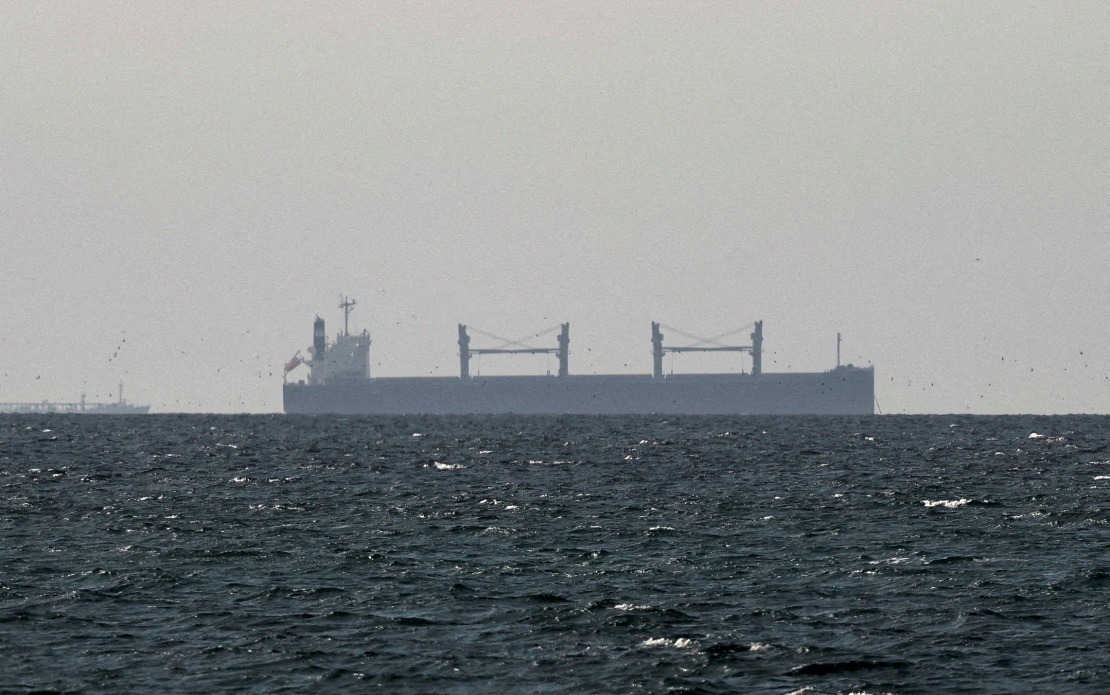
Iran's Islamic Revolutionary Guard Corps alleged on Friday that two oil tankers sustained damage after encountering mines in the southern Strait of Hormuz, according to statements carried by the state-affiliated Fars News Agency. The IRGC Navy, through its official channels, contended that the vessels caught fire following the incident and suggested that US intelligence agencies had prior knowledge of the tankers' transit through the area. However, the military branch did not furnish identifying details about the ships, provide information regarding any casualties, or reveal their flags and ownership structures. Independent verification of these claims remains unavailable at present.
The allegations arrive amid a period of heightened geopolitical friction in the Persian Gulf region, a strategic waterway that channels roughly one-fifth of the world's seaborne petroleum and a significant proportion of liquefied natural gas exports. The Strait of Hormuz represents the sole maritime passage linking the Persian Gulf with the Gulf of Oman and the broader Arabian Sea, making it indispensable for global energy markets and supply chain continuity. Any disruption—whether actual or threatened—reverberates through international commodity markets and influences energy security calculations for nations far beyond the Middle East.
The IRGC's statement characterised the waterway as fundamentally unsafe and declared it "completely closed" for commercial navigation, announcing that petroleum, natural gas, and chemical fertiliser shipments originating from the region would face obstruction until American military operations concluded. This pronouncement carries substantial implications for global trade patterns, as disruptions to energy exports through the Strait can trigger price volatility affecting economies worldwide, including those in Southeast Asia that depend significantly on Gulf energy supplies. The warning effectively served as a notice to international maritime operators that passage through the waterway carried elevated risks of vessel damage and loss of life.
The sequence of allegations underscores the deteriorating security environment in one of the world's most strategically vital maritime passages. While the IRGC claimed responsibility for preventing tanker passage, it simultaneously attributed responsibility to the United States for encouraging vessel movements through the contested waters. This rhetorical strategy, whether or not the underlying facts bear scrutiny, reflects a broader pattern of charge and countercharge that has characterised US-Iran interactions throughout the recent tensions. The absence of independent confirmation from maritime tracking agencies, vessel operators, or international shipping authorities creates significant uncertainty regarding what actually transpired and amplifies the credibility gap between official Iranian statements and verifiable information.
The current escalation occurs against a backdrop of diplomatic efforts aimed at de-escalation. A Pakistan-brokered memorandum of understanding purportedly concluded last month contained provisions intended to terminate ongoing military hostilities and establish pathways toward comprehensive peace arrangements. The alleged mine incident, if authentic, suggests that such diplomatic frameworks have proven insufficient to constrain tactical military actions or rhetorical provocations emanating from either side. The persistence of confrontational actions despite supposed commitments to dialogue raises fundamental questions about the efficacy of the mediated agreement and the willingness of belligerent parties to uphold its terms.
For Malaysian policymakers and maritime operators, the developments in the Strait of Hormuz warrant close monitoring given Malaysia's substantial trade interests in the region and reliance on stable energy supplies from the Gulf. Malaysian shipping companies conducting business throughout the Persian Gulf and adjacent waters must grapple with insurance implications, routing decisions, and operational security measures should tensions continue escalating. The potential for supply disruptions affects Malaysia's downstream energy costs and industrial competitiveness, considerations that extend beyond bilateral relations to encompass broader economic wellbeing.
The strategic calculus underpinning Iranian military posturing appears designed to demonstrate capacity and resolve while establishing bargaining leverage in negotiations with the United States. By repeatedly asserting dominance over the Strait of Hormuz and threatening commercial transit, the IRGC projects a narrative of regional control and asymmetric deterrent capability. Conversely, the alleged presence of mines and threats to shipping suggest Iranian confidence that such measures can impose costs on adversaries without triggering proportional military responses that might escalate conflict beyond manageable bounds. This calculated calibration of threat messaging represents a form of coercive diplomacy distinct from outright warfare.
International shipping organisations and maritime security analysts have emphasised that verification mechanisms and transparent reporting channels become essential when unconfirmed allegations emerge regarding threats to freedom of navigation. The International Maritime Organization and relevant port authorities typically maintain detailed records of incident reports, vessel casualties, and security advisories that can corroborate or contradict official claims. The absence of corroborating evidence from these independent sources suggests either that the incident failed to occur as described, or that information control prevented timely public disclosure. Either scenario complicates regional stability assessments and decision-making by maritime operators and energy traders.
The broader implications of persistent tensions in the Strait of Hormuz ripple through global energy markets and supply chain planning. Insurance premiums for vessels transiting the waters typically reflect perceived risk levels, ultimately translating into higher transportation costs that get absorbed by consumers and industrial users worldwide. Port diversification strategies and alternative maritime routing possibilities receive heightened attention from shipping companies attempting to mitigate exposure to Persian Gulf volatility. For Southeast Asian nations importing crude oil and liquefied natural gas, such disruptions introduce planning uncertainties and create pressures toward energy diversification and inventory management.
Looking forward, the trajectory of US-Iran interactions will likely determine whether the Strait of Hormuz stabilises or experiences further incidents and recriminations. The credibility of the Pakistan-brokered agreement may hinge on whether both parties demonstrate genuine commitment to restraint through actions rather than rhetoric. Regional security architecture improvements, such as expanded naval coordination mechanisms, confidence-building measures, and enhanced communication channels, could ameliorate tensions, though current conditions suggest such mechanisms remain underdeveloped. The international community, including maritime nations dependent on Gulf energy supplies, possesses substantial interests in promoting de-escalation and establishing norms that protect freedom of navigation through this critical global chokepoint.

