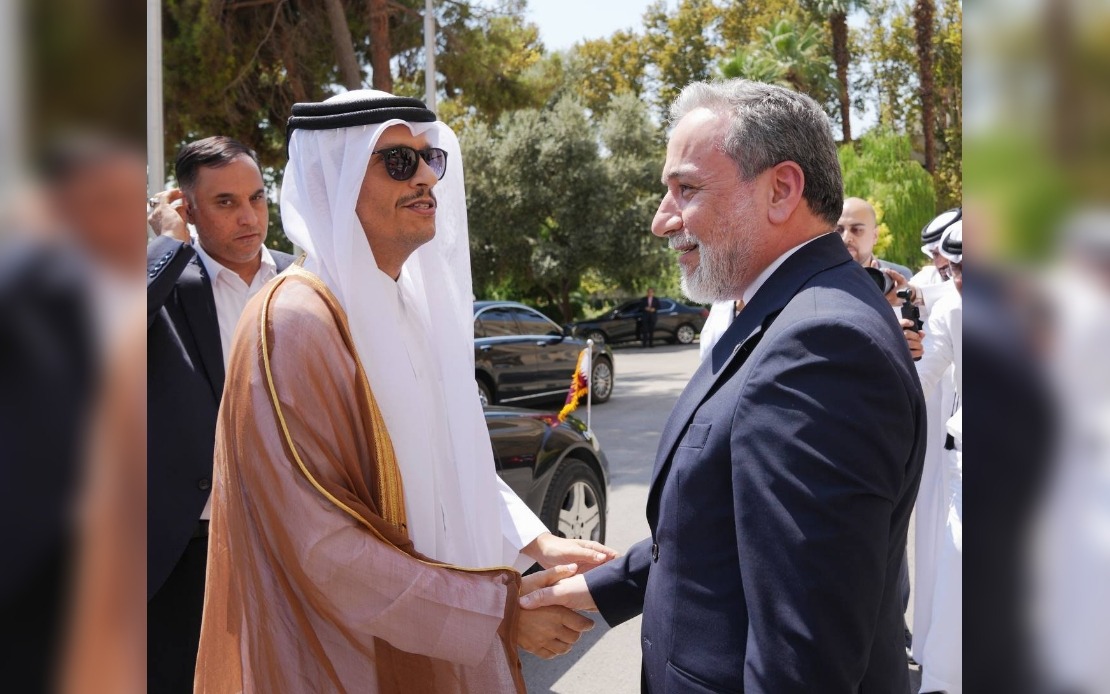
Iran's Foreign Minister Abbas Araghchi has indicated that restoring diplomatic channels with the United States remains achievable, offering a glimmer of hope in an increasingly strained relationship between the two nations. Speaking following high-level talks in Tehran with Qatar's diplomatic leadership, Araghchi framed the pathway to renewed engagement as dependent on a fundamental shift in American approach rather than Iranian intransigence, positioning Tehran as the side willing to move toward dialogue.
Araghchi's measured optimism comes at a delicate moment in regional politics. His statement that diplomatic normalisation "isn't impossible" carries weight precisely because it comes after months of escalating tensions and military confrontation. The Iranian official articulated a clear prerequisite for any meaningful dialogue: the United States must abandon what he characterised as counterproductive pressure-based strategies. This formulation reflects Tehran's long-standing grievance that Washington has historically relied on sanctions and military posturing rather than genuine negotiation.
The foreign minister's conditions for engagement extend beyond mere rhetorical repositioning. In his social media statement, Araghchi outlined four distinct requirements that would need to be met before substantive talks could resume. These include building mutual trust through sustained, good-faith interactions; adopting respectful language and diplomatic protocols; acknowledging Iranian rights and sovereignty within international law; and honouring previous agreements and commitments. Each element carries specific historical resonance, particularly the emphasis on upholding commitments—a direct reference to the United States' 2018 withdrawal from the Joint Comprehensive Plan of Action, or nuclear deal, which Iran views as a fundamental breach of faith.
Qatar's role as intermediary underscores the importance both regional and global powers place on preventing further escalation. The Qatari Foreign Minister Sheikh Mohammed bin Abdulrahman bin Jassim Al Thani's visit to Tehran on Thursday represented a significant diplomatic initiative, marking his first journey to Iran since military hostilities intensified in late February. This timing is critical for understanding the regional context: the February strikes involved both American and Israeli forces, creating a complex security environment where direct communication between Tehran and Washington has become increasingly hazardous and politically fraught.
During his Tehran visit, Sheikh Mohammed conducted extensive consultations with Iran's top political and security establishment. Beyond meeting Foreign Minister Araghchi, the Qatari envoy held discussions with President Masoud Pezeshkian, Parliament Speaker Mohammad Bagher Qalibaf, and Mohsen Rezaei, who heads Iran's Supreme National Security Council. This breadth of engagement indicates that Qatar was seeking consensus across Iran's decision-making apparatus rather than simply conducting courtesy calls, suggesting serious diplomatic work was underway.
The agenda discussed during these talks reveals the multifaceted nature of current regional tensions. Alongside general efforts to create conditions for renewed American-Iranian dialogue, discussions focused on two specific maritime initiatives. The first involves establishing a temporary joint navigational corridor through the Strait of Hormuz, one of the world's most critical chokepoints through which roughly one-third of globally traded oil passes. The second concerns coordinated mine-clearing operations in the same strategic waterway. Both proposals, if implemented, would require unprecedented cooperation and mutual trust between parties currently locked in confrontation.
The significance of these maritime proposals extends far beyond bilateral Iran-US concerns. For Malaysia and other Southeast Asian nations dependent on stable energy supplies and secure shipping lanes, any escalation in the Persian Gulf represents a direct economic threat. Disruptions to Hormuz transit would immediately impact global crude prices and Malaysian industries reliant on energy imports. Similarly, the presence of naval mines or heightened military tension in the region increases insurance costs and shipping delays that ultimately flow through to Malaysian importers and exporters.
Araghchi's framing of diplomatic possibilities as dependent on American behavioural change rather than Iranian concessions reveals something significant about Tehran's current strategic posture. Despite economic pressures from sanctions and military threats from regional adversaries, Iran appears to be maintaining a position of principle-based negotiation rather than desperate capitulation. This stance reflects calculations about Iran's long-term interests and its belief that sustained pressure will eventually force the US to seek accommodation on Iranian terms.
The historical context matters greatly for understanding why both sides remain cautious despite expressed openness. The collapse of the nuclear deal demonstrated to Iran that American administrations can fundamentally alter foreign policy direction, making any agreement vulnerable to reversal. For the United States, previous Iranian commitments to limitations agreements were viewed as insufficient guarantees against what American policymakers consider destabilising regional behaviour. Bridging this trust gap requires more than rhetorical goodwill; it requires structural mechanisms that survive political transitions and demonstrate commitment through actions rather than words.
Qatar's mediation efforts position the Gulf state as a crucial player in regional stability architecture. Doha has maintained diplomatic relations with both Washington and Tehran, giving it unique standing to shuttle between the parties. The emirate's investment in conflict de-escalation reflects both humanitarian concerns and practical recognition that regional instability threatens Qatari economic interests and security. For Doha, successful mediation would enhance its regional profile and reinforce its positioning as an indispensable diplomatic actor in Middle Eastern affairs.
The prospects for actual dialogue resumption remain uncertain despite Araghchi's optimism. American domestic politics, with ongoing presidential campaigns and hawkish elements within the foreign policy establishment, may constrain flexibility on the American side. Similarly, hardliners within Iran may resist concessions they view as compromising national dignity. The path forward likely requires sustained international pressure on both sides to maintain focus on dialogue, even when domestic political currents pull toward confrontation.
For Malaysian readers, the stakes in American-Iranian relations extend well beyond the immediate parties involved. The entire regional order in the Middle East influences global energy markets, international shipping security, and the geopolitical environment within which Malaysian diplomacy operates. A resumption of genuine dialogue, even limited in scope, would reduce the risk of wider conflict and stabilise the conditions under which Malaysian businesses and citizens operate. Conversely, continued military tension raises precisely the kind of systemic risks that damage regional prosperity and international stability.

