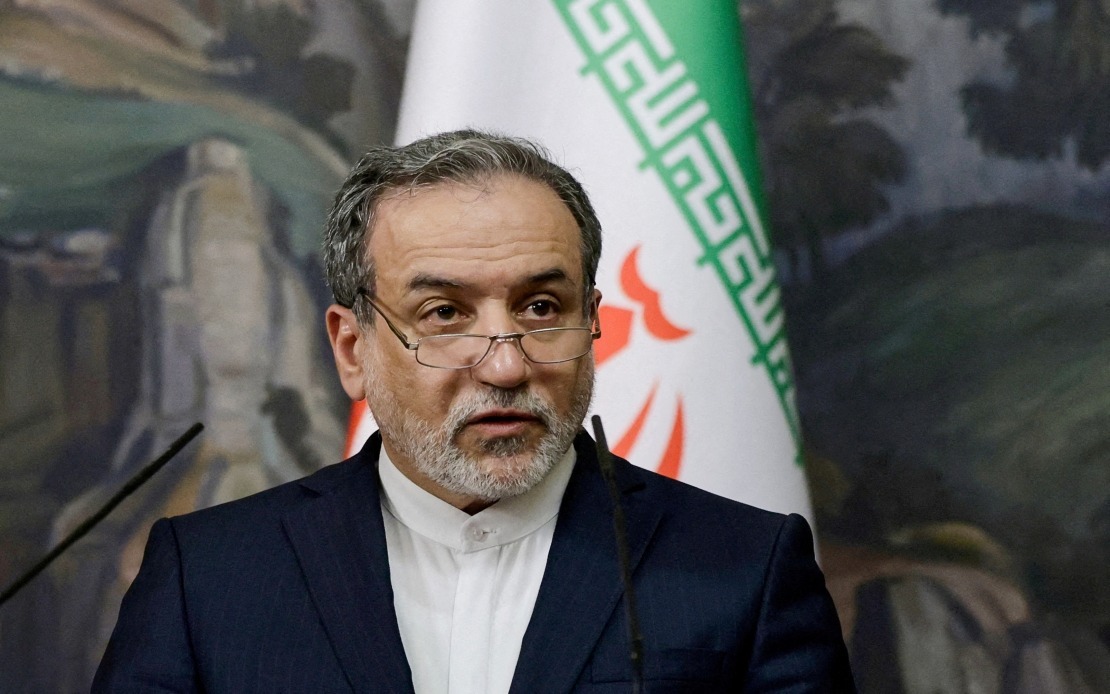
Iran has made clear that it has reached no determination about returning to the negotiating table with the United States, according to statements by Foreign Minister Abbas Araghchi delivered in Istanbul this week. The Iranian official pointedly distinguished between routine exchanges conducted through intermediaries and any meaningful resumption of bilateral discussions, warning against misinterpretation of ongoing diplomatic channels. This clarification comes amid confusion in regional capitals and international media about the status of Iran-US relations following the framework agreement brokered by Pakistan in June.
Araghchi contested the framing of the June Islamabad memorandum as establishing a 60-day ceasefire, arguing instead that the accord designated a period for negotiations rather than a pause in hostilities. According to the Iranian position, the United States breached the memorandum first, precipitating a renewal of conflict and effectively rendering the concept of ceasefire extension moot. The distinction between a negotiating window and a temporary cessation of fighting has become a crucial talking point for Tehran as it calibrates its diplomatic posture.
The foreign minister's statement underscores a significant gap in how Tehran and Washington characterise their June arrangement. While international observers have often described the accord as establishing a limited truce, Iran insists the document was conceived solely as a framework to facilitate discussions aimed at reaching permanent settlement terms. From Tehran's perspective, once Washington violated the memorandum by resuming military operations, the very foundation for invoking extension provisions collapsed entirely.
Regarding intermediaries, Araghchi acknowledged that Qatar and Pakistan continue transmitting messages between the parties and maintaining open channels of communication. However, he was emphatic that these diplomatic pathways should not be confused with formal negotiations or a signal of imminent talks. The distinction matters considerably for domestic consumption in Iran, where any perception of weakness or capitulation to American pressure carries significant political cost for the government.
Parallel discussions with Oman are proceeding along entirely separate tracks from any potential US engagement, Araghchi clarified. These talks centre on technical maritime matters rather than broader strategic concerns. Specifically, Iran and Oman are collaborating to establish alternative shipping corridors through the Strait of Hormuz after existing routes became operationally problematic. The initiative represents practical problem-solving divorced from the contentious political questions dividing Tehran and Washington.
The shipping lane negotiations involve substantial technical expertise, with naval specialists and military personnel from both nations contributing to the planning process. Araghchi indicated that the design work for a provisional shipping corridor, which would eventually transition to a permanent route, was nearing completion. This methodical approach suggests both countries view the maritime situation as requiring urgent but measured resolution rather than hasty decisions.
Crucially, Araghchi emphasised that determining whether the Strait of Hormuz itself will be reopened remains contingent upon conditions separate from the shipping lane negotiations. The physical establishment of alternative routes does not automatically translate into resumption of normal passage through the strategic waterway. Rather, Iran maintains that additional American compliance with unspecified conditions must occur before any broader regional shipping normalisation takes place.
This positioning reveals Iran's negotiating calculus as it manages multiple pressures simultaneously. Domestically, maintaining a hardline stance against American "violation" of the June memorandum appeals to constituencies sceptical of diplomatic engagement. Regionally, continuing technical discussions with Oman addresses the urgent practical problem of maritime commerce disruption without appearing to capitulate. The carefully calibrated messaging suggests Iranian leadership believes it can maintain diplomatic channels while preserving strategic leverage.
For Southeast Asian nations with significant maritime interests in the Gulf, Iran's insistence on preconditions for strait reopening carries direct implications for regional trade flows and energy supplies. Malaysia and other regional trading partners depend on unimpeded passage through the Strait of Hormuz for commercial viability. The Iranian position indicates that resolution of the US dispute remains the prerequisite for normalising Gulf shipping, potentially extending current disruptions indefinitely.
The broader regional context includes anxieties about conflict escalation between Iran and the United States. Araghchi's relatively measured language suggesting continued communication channels through mediators may signal that despite rhetorical firmness, both parties retain interest in dialogue. However, the Iranian rejection of any formal negotiations resumption underscores persistent fundamental disagreements that will require substantial movement before genuine talks can commence.
Observers suggest Iran's emphasis on American violations of the June accord serves multiple purposes simultaneously. It provides justification for current military posture, explains why negotiations have not resumed, and maintains bargaining room for future discussions by establishing what the Iranian government characterises as Washington's bad faith. Whether this framing represents genuine Iranian sentiment or tactical positioning for eventual negotiations remains an open question.

