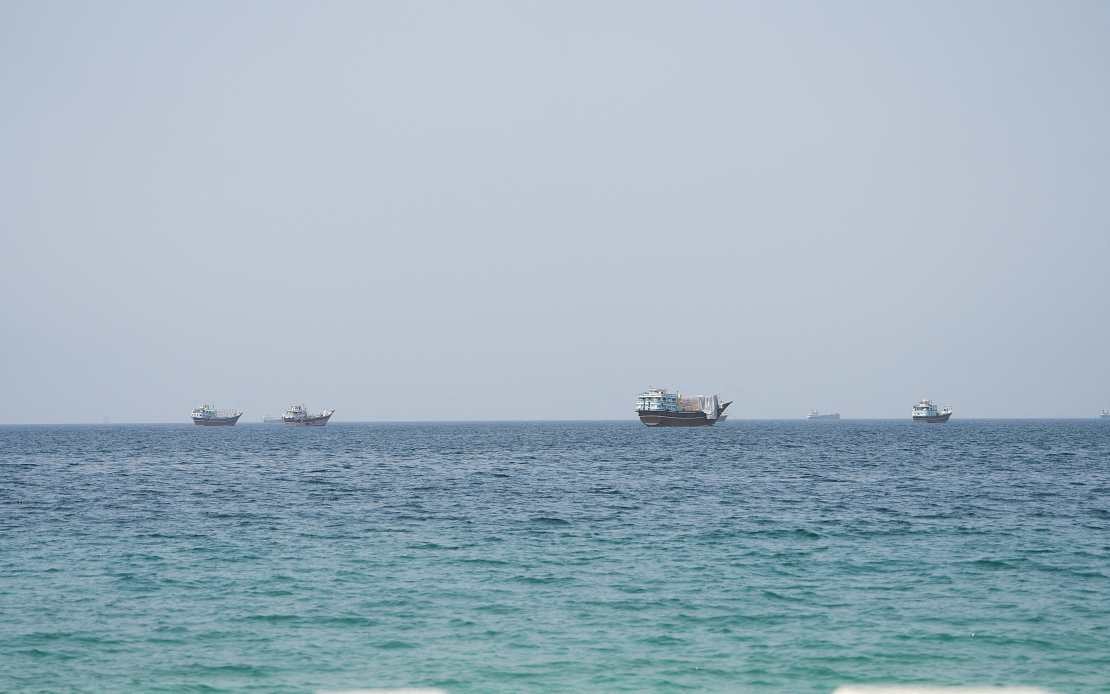
Iran announced Monday that its bilateral negotiations with Oman over transit arrangements in the Strait of Hormuz are advancing along a constructive pathway, according to Foreign Ministry spokesman Esmaeil Baqaei speaking at a weekly press briefing. The diplomat indicated that discussions have already yielded consensus on fundamental issues such as shipping traffic mapping, with both nations continuing to work through remaining technical provisions ahead of formalising their understanding in a joint statement.
The talks between Tehran and Muscat are establishing practical mechanisms designed to guarantee the safety of maritime vessels moving through one of the world's most critical waterways, while simultaneously creating frameworks to protect the marine environment and combat what Iranian officials describe as maritime crimes. These mechanisms, Baqaei explained, will govern how fees and charges for maritime services are levied on international shipping using the corridor. The emphasis on technical safeguards underscores the complexity of managing transit through a chokepoint through which roughly one-third of global seaborne petroleum trade normally flows.
According to the Iranian Foreign Ministry spokesman, the overarching goal driving these negotiations is establishing a durable accord that guarantees comprehensive security within the strait. By framing the discussions as purely technical arrangements between two neighbouring states, Baqaei attempted to depoliticise the negotiations, insisting they represent a bilateral process to chart safe international shipping routes with no connection to broader political grievances. This characterisation appears designed to signal that talks remain insulated from the larger geopolitical tensions that have defined regional maritime affairs in recent years.
However, Baqaei also made clear that Tehran views full restoration of Strait of Hormuz traffic as contingent upon American concessions. The spokesman asserted that the waterway will remain restricted until Washington discontinues what Iran characterises as a naval blockade of Iranian ports, linking progress on maritime normality to the resolution of wider Iranian-American disputes. This statement reveals the underlying political dimension despite official efforts to present the Oman talks as narrowly technical.
These bilateral discussions come against a backdrop of stalled broader negotiations between Iran and the United States. The two countries concluded a memorandum of understanding in June, brokered through mediation by Pakistan and Qatar, which formally ended active military hostilities and created a framework for pursuing a comprehensive agreement. That memorandum explicitly provided for gradual reopening of commercial navigation throughout the Strait of Hormuz, a provision that would have transformed maritime traffic patterns across Asia's energy supply routes and carried significant implications for trading networks throughout Southeast Asia and beyond.
Yet implementation of this June accord has encountered serious difficulties. Rather than progressing toward full normalisation, both Tehran and Washington have traded accusations of breaching the memorandum's terms, causing the broader negotiation process to stall. This deadlock has effectively prevented the phased restoration of Hormuz shipping that the agreement envisaged, leaving maritime conditions in a state of limbo that creates uncertainty for international commerce. For Southeast Asian nations heavily dependent on energy imports and regional trade connectivity, this continued restriction represents a persistent vulnerability.
The Oman negotiations represent what Tehran describes as an alternative pathway to address immediate maritime security concerns without awaiting resolution of the Iran-United States dispute. By pursuing bilateral arrangements with Muscat, Iran appears to be attempting to demonstrate capacity for practical cooperation on shipping safety while maintaining its position on the broader American demands. Whether Omani mediation can succeed where Pakistani and Qatari intermediaries have encountered obstacles remains an open question, though Oman's historically neutral regional positioning and diplomatic experience suggest potential for progress.
The stakes of these maritime negotiations extend well beyond Iran and Oman themselves. The Strait of Hormuz remains essential infrastructure for global energy security, and any prolonged disruption to traffic flows through the waterway directly affects oil prices and availability throughout international markets. Malaysia and other ASEAN economies import significant crude oil volumes that transit the strait, making the outcome of these negotiations consequential for regional energy costs and economic stability. Disruptions that raise maritime insurance premiums or create transit delays increase costs for Asian importers of petroleum and other commodities.
Baqaei also indicated during his briefing that Iran has yet to finalise decisions regarding the composition and seniority level of its delegation to September's United Nations General Assembly meeting, with an announcement expected in coming weeks. This detail suggests ongoing internal deliberations within Iranian leadership about diplomatic positioning heading into autumn discussions at the international forum. The composition of Iran's UN delegation could signal whether Tehran is prioritising engagement on international issues or maintaining a more reserved posture.
The timing of these Hormuz negotiations reveals the interconnected nature of regional maritime security, energy markets, and diplomatic relations across the Middle East and extending into Asia's strategic calculations. For Malaysian policymakers and businesses dependent on stable energy supplies and predictable maritime commerce, sustained attention to developments in these talks remains warranted, particularly regarding any announcements of breakthroughs or further stalling that could reshape the region's strategic shipping environment.

