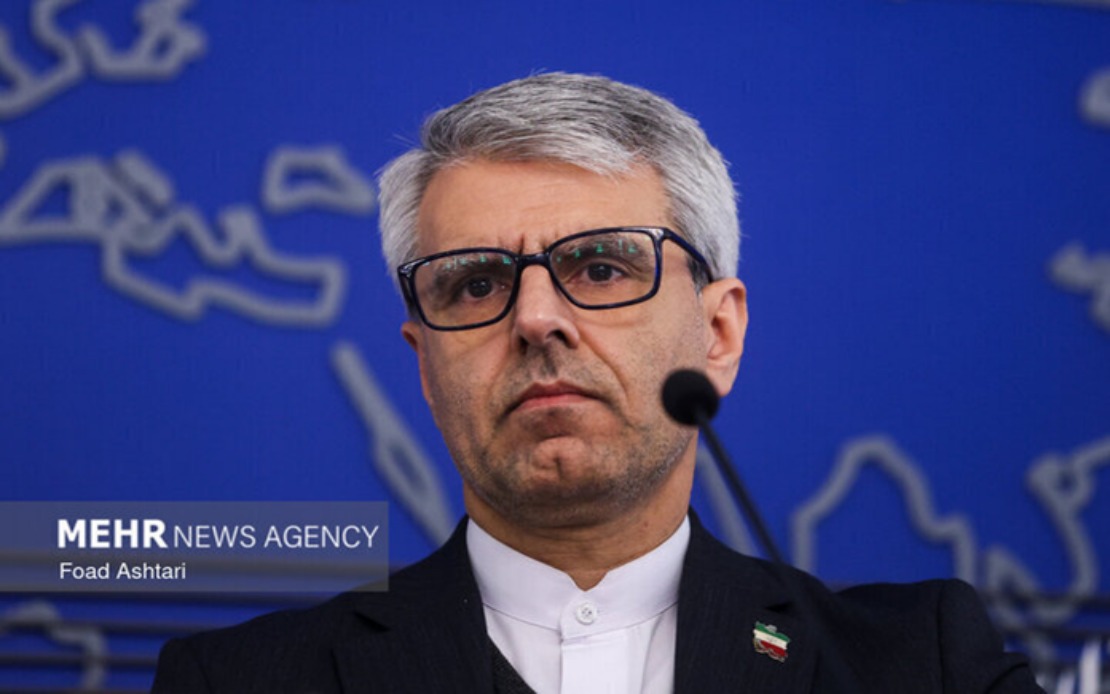
Iran and Oman have pledged to maintain comprehensive consultations on the situation surrounding the Strait of Hormuz, according to Iranian Foreign Ministry spokesman Esmaeil Baghaei on Sunday. The diplomatic commitment represents a significant effort to manage tensions in one of the world's most strategically vital waterways, through which roughly one-third of all seaborne traded oil passes annually.
The agreement emerged following a high-level visit to Muscat by Iranian Foreign Minister Abbas Araghchi on Saturday, underscoring the importance both nations attach to finding cooperative solutions. Baghaei specified that discussions would occur across political, legal, and technical channels, with the stated objective of achieving mutual understanding on preserving safe navigation through the strait. This multilayered approach suggests recognition that resolving the underlying disputes requires engagement across different institutional and policy domains.
The backdrop to these consultations is distinctly fraught. Iran's Islamic Revolutionary Guard Corps had previously declared its intention to close the Strait of Hormuz until what it characterised as United States interference in the region ends, a declaration that would effectively block all vessel passage through the waterway. Such a closure would constitute an unprecedented disruption to global energy markets and international trade, given the strait's role as a linchpin connecting Persian Gulf producers to global consumers. For Malaysia and Southeast Asia more broadly, any prolonged disruption would immediately threaten energy security and increase shipping costs across regional economies already managing multiple supply chain pressures.
Baghaei's comments emphasised a principle that carries particular weight for smaller nations in the region: that the future governance and management of the Strait of Hormuz should be determined through direct negotiations between Iran and Oman, rather than through external dictation or unilateral action. This positioning reflects Iran's broader resistance to what it perceives as great power interference in regional affairs, and simultaneously affirms Oman's established role as a neutral broker and mediator in Middle Eastern disputes. Oman's geography, sitting at the strait's southern entrance, gives it both strategic leverage and responsibility in ensuring regional stability.
Qatarhas also been integrated into the dialogue framework, serving as one of several mediating nations facilitating communication between Iran and the United States. Qatar's involvement signals that international actors recognise the necessity of sustained diplomatic channels even as military tensions escalate. The inclusion of mediators demonstrates that despite hardline rhetoric from military wings of the Iranian state apparatus, political leadership across multiple countries is pursuing de-escalation pathways. For regional observers, this suggests a degree of pragmatism underlying the more inflammatory public statements.
The timing of these consultations reflects deteriorating conditions over recent months, with both United States and Israeli military activities against Iranian targets escalating. Baghaei's reference to these military operations as context for future negotiations indicates that Iran intends to link broader regional security concerns to specific discussions about strait management. This approach complicates negotiations by connecting a narrowly technical issue—maritime passage—to the wider security architecture of the Middle East, including nuclear negotiations, sanctions regimes, and proxy conflicts.
For Southeast Asian nations including Malaysia, the stakes in these negotiations extend well beyond the strait itself. The region depends heavily on stable energy supplies and predictable shipping routes. Disruptions to Hormuz traffic would likely translate within weeks into higher fuel prices at Malaysian pumps, reduced availability of refined petroleum products, and elevated logistics costs across manufacturing and transport sectors. The broader strategic implications are equally significant: prolonged instability in the Gulf would likely accelerate regional powers' efforts to develop alternative energy sources and shipping corridors, potentially reshaping trade patterns that Southeast Asia has benefited from for decades.
Oman's diplomatic role deserves particular emphasis given its historical position as a neutral party in Gulf affairs. Unlike some neighbours, Oman has maintained relatively balanced relationships across the region's competing powers, allowing it credibility with both Iran and Western-aligned states. This positioning makes Omani-Iranian consultations potentially more productive than direct bilateral talks between Iran and hostile parties might be. The emphasis on continued dialogue, rather than ultimatums or deadlines, suggests both parties recognise that military brinkmanship carries unacceptable risks to regional stability.
The agreement to pursue consultations at technical levels indicates that negotiators are exploring concrete mechanisms for ensuring maritime safety and establishing operational protocols that might satisfy Iranian security concerns while maintaining freedom of navigation. Such technical discussions could potentially include confidence-building measures, notification systems for military exercises, or agreed corridors for civilian shipping. These specifics matter considerably because they offer pathways to compromise that allow both parties to claim victories without requiring capitulation on core positions.
Looking forward, the success of these Iran-Oman consultations will likely determine whether the Strait of Hormuz remains open to international traffic or becomes a flashpoint for direct conflict between Iran and Western military forces. The involvement of Qatar and the commitment to continued dialogue at multiple levels suggest that diplomatic efforts, however fragile, remain the preferred mechanism for managing this crisis. For Malaysia and the broader Southeast Asian region, sustained engagement by neutral powers like Oman in preventing Hormuz closure remains essential to protecting economic interests and regional security in an increasingly volatile geopolitical environment.

