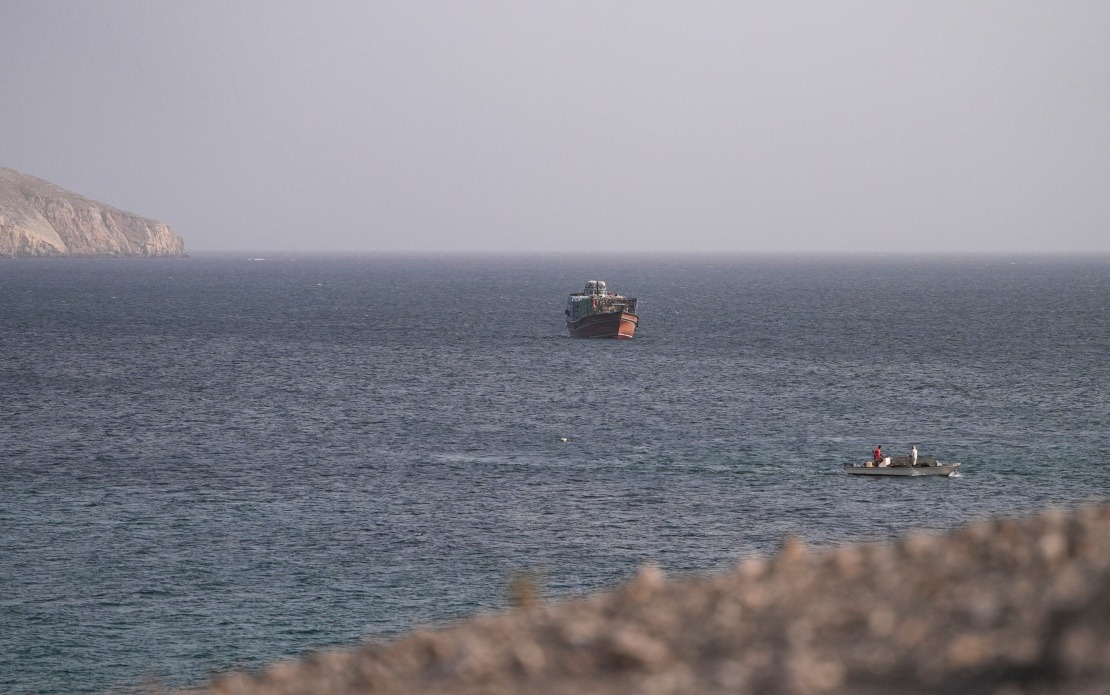
Iran and Oman are on the verge of completing an unprecedented accord that would reshape maritime traffic through one of the world's most strategically vital waterways. Kazem Gharibabadi, Iran's Deputy Foreign Minister for Legal and International Affairs, confirmed on Wednesday that the two neighbouring nations have moved closer to concluding their understanding on fresh arrangements governing commercial vessel movement through the Strait of Hormuz, a chokepoint through which roughly one-third of global seaborne oil passes annually.
The emerging agreement marks a significant shift in how shipping traffic will be managed through the contested corridor. Rather than maintaining the status quo established over the past six decades, the new framework would introduce an alternative model wherein a substantial volume of maritime commerce would transit Iranian territorial waters. This represents a material change in the logistics of global energy transport and carries profound implications for international shipping patterns and the balance of power in the Persian Gulf region.
Gharibabadi was careful to clarify what the accord does not entail. The arrangement, he stressed, does not amount to a wholesale reopening of the Strait of Hormuz in any traditional sense, nor does it dismantle existing shipping protocols entirely. Instead, it functions as a carefully calibrated alternative pathway that acknowledges Iran's territorial sovereignty while permitting continued commercial access to one of the world's most essential maritime routes. This nuanced distinction is crucial for understanding Tehran's approach to the negotiations and the delicate balancing act between asserting control and maintaining international commerce.
The question of whether Iran might levy transit fees on vessels navigating these new routes remains unresolved and contingent on several variables. Gharibabadi indicated that any decision on toll collection would ultimately rest with Iran's highest governing authorities rather than the Foreign Ministry. The calculation also depends significantly on how the United States conducts itself in upcoming diplomatic exchanges, suggesting that fee implementation could serve as either an incentive or a penalty in broader negotiations with Washington.
These developments occur amid reports that Iran and Oman are simultaneously working to finalize the shipping accord while pursuing separate discussions with the United States. The timing suggests a coordinated diplomatic strategy wherein Tehran seeks to demonstrate both autonomous action with a regional partner and openness to reconciliation with America. International observers note that any US-Iran agreement could emerge within days, adding urgency to the trilateral calculations between Tehran, Muscat, and Washington.
Gharibabadi provided a tantalizing hint regarding Washington's intentions, stating that Iran had received communications suggesting the United States was prepared to "return to its commitments." However, he did not elaborate on which specific obligations he referenced or through which diplomatic channels these messages were conveyed. The ambiguity may be deliberate, allowing all parties to maintain negotiating flexibility while signalling that substantive movement is occurring behind closed doors.
For Malaysia and Southeast Asian nations, these developments carry significant ramifications. Any restructuring of Strait of Hormuz traffic patterns could affect global energy prices, insurance costs for regional shipping, and the distribution of maritime commerce through alternative routes. Malaysian vessels regularly transit these waters, making changes to navigation protocols and potential fee structures matters of direct economic interest. The region's energy security is inextricably linked to the free flow of crude oil through this waterway.
The Strait of Hormuz has long been a flashpoint in Middle Eastern geopolitics, with Iran repeatedly threatening to close or restrict passage during periods of tension with Western powers. Previous incidents, including attacks on tankers and the seizure of vessels, have demonstrated Tehran's capacity to disrupt global energy supplies. Any agreement that clarifies maritime rights and establishes new formal channels for shipping represents a stabilizing development that could reduce such risks.
Oman's role as a neutral mediator in these negotiations is particularly noteworthy. The sultanate has historically maintained cordial relations with both Iran and Western powers, positioning itself as a bridge-builder in a fractious region. Its participation in finalizing these arrangements suggests the accord carries legitimacy among moderate Gulf states and reflects genuine regional consensus on the need for more structured maritime governance.
The broader context involves decades of mutual sanctions, regional proxy conflicts, and periodic military posturing between Iran and the West. Any shift toward negotiated settlements on specific issues like maritime commerce could signal a potential thaw in relations more generally. Gharibabadi's references to Washington's willingness to return to commitments hints at possible revival of negotiations on Iran's nuclear programme and other contentious issues.
For international shipping interests, clarity on Strait of Hormuz procedures represents a win regardless of which party implements new arrangements. Predictability in maritime routing and transparent fee structures, should they be imposed, are preferable to the uncertainty created by periodic tensions and potential blockades. The fact that Iran and Oman are consulting on these matters through formal diplomatic channels rather than through confrontational posturing suggests a more mature approach to managing the waterway's strategic importance.
The agreement also demonstrates how regional actors can forge solutions to shared challenges even amid broader great-power competition. Iran and Oman's capacity to reach consensus on shipping arrangements, independent of American involvement, reflects Gulf states' growing recognition that their collective interests in maritime stability supersede sectarian or geopolitical divisions. Such pragmatism offers a model for addressing other regional challenges.
Looking ahead, the success of this accord will depend partly on implementation mechanics and compliance verification. Clear protocols for vessel registration, fee collection where applicable, and dispute resolution will be essential. Any ambiguity or perceived unfair treatment could reignite tensions and lead to the very disruptions the agreement aims to prevent. The next phase of diplomacy will determine whether this represents a genuine breakthrough or merely a temporary pause in longstanding disagreements over control of this vital maritime corridor.

