Tensions between Iran and the United States over financial obligations have surfaced anew, with senior Iranian officials categorically denying assertions from Washington that newly released funds will flow directly into purchasing American agricultural commodities. The dispute centres on how Iran intends to deploy assets that have been unfrozen as part of ongoing nuclear negotiations, reflecting deeper disagreements about the terms and conditions attached to sanctions relief.
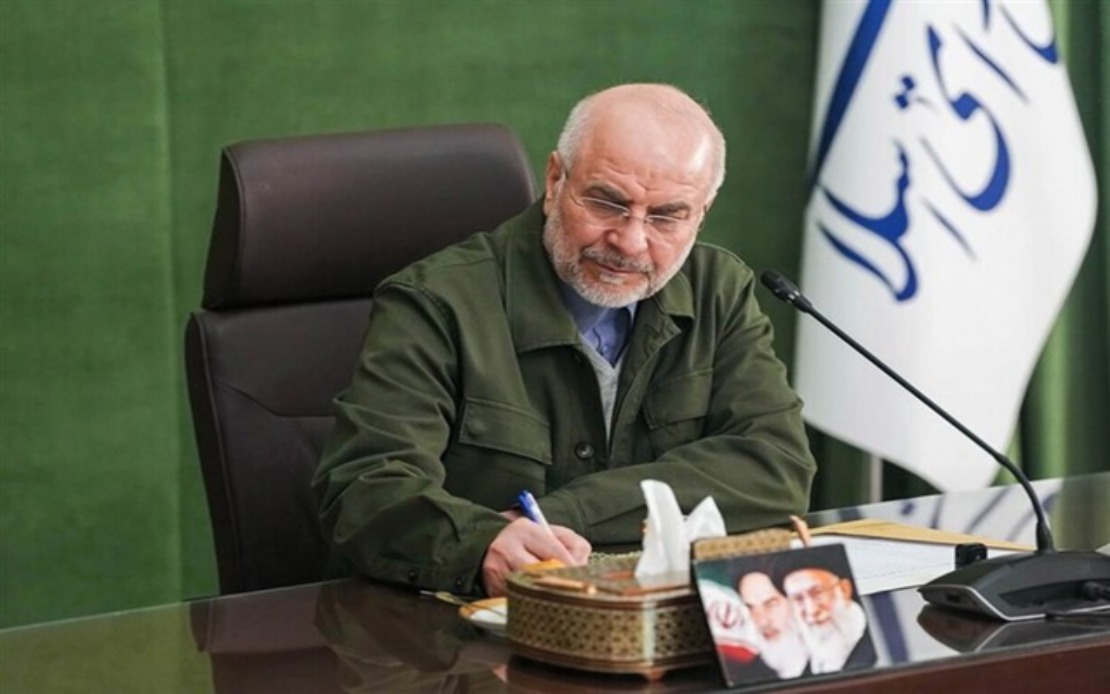
Iranian Parliament Speaker Mohammad Bagher Ghalibaf, who doubles as a principal negotiator in discussions with Washington, issued a pointed rebuke via social media on Thursday. His statement characterised the American position as fundamentally misleading, arguing that decisions about deploying released capital would rest solely with Tehran and would be determined by national interest rather than external pressure. The phrasing of his response—a reference to harvesting what has been sown—conveyed frustration about the historical mistrust underpinning relations between the two nations.
This latest disagreement represents a visible crack in the facade of cooperation that has emerged following the signing of a memorandum of understanding on June 18. That document established a framework for sixty days of intensive negotiations aimed at producing a comprehensive accord on Iran's nuclear programme and the lifting of American sanctions. Recent discussions held in Switzerland on Sunday and Monday marked the first substantive engagement under the new arrangement, yet the discord over asset deployment suggests fundamental disputes remain unresolved.
The US position on the matter has been articulated at the highest levels of the American government. Vice President JD Vance asserted on Monday that the unfrozen assets could potentially be channelled toward purchasing Iranian needs in soybeans, corn, and wheat. President Donald Trump amplified this position the following day, advancing the concept of a US-controlled escrow account into which the released funds would flow, with usage restricted exclusively to acquiring American food and medical supplies. Such conditions would effectively tie the assets to American commodity purchases, effectively transforming sanctions relief into a mechanism for bolstering US agricultural exports.
Iran's Foreign Ministry has moved to distance itself from these American claims with equal firmness. Spokesperson Esmaeil Baghaei asserted on Tuesday that Iran would exercise complete discretion in deploying the unfrozen assets, guided entirely by its own economic priorities and free from any external constraints or conditions. He emphasised that purchasing decisions would be based pragmatically on considerations of price and quality rather than political or strategic obligations.
Central Bank Governor Abdolnaser Hemmati struck a somewhat more flexible tone while maintaining Iran's fundamental position. He acknowledged that Iran harbours no legal or contractual obligation to purchase American agricultural products, whilst simultaneously suggesting that such transactions would not be categorically ruled out if American goods offered competitive pricing. This formulation preserves Iranian autonomy whilst avoiding an absolute rejection that might complicate negotiations.
For Southeast Asian observers, this dispute carries implications that extend beyond the bilateral Iran-US relationship. Malaysia and other regional nations maintain significant economic ties with both Iran and the United States, making the trajectory of nuclear talks consequential for regional stability and trade patterns. Should negotiations collapse, fresh sanctions regimes could disrupt global energy markets and supply chains affecting the region. Conversely, a breakthrough could open new commercial opportunities, particularly in energy and food security sectors where both Iran and Southeast Asia maintain mutual interests.
The disagreement over asset deployment reveals how deeply entrenched mutual suspicions remain despite the negotiating framework. American insistence on controlling how released funds are spent reflects concerns about how Iran might deploy financial resources, potentially channelling them toward activities the US opposes. Tehran's resistance to conditions reflects a broader assertion of sovereignty and a determination to avoid becoming economically dependent on American goods. These positions are not easily reconcilable without significant concessions from both sides.
The sixty-day negotiation window established by the June 18 memorandum will test whether both parties can move beyond rhetorical posturing and engage substantively on the technical and financial dimensions of any eventual accord. The Swiss discussions marked an opening, but the speed with which disagreements have surfaced publicly suggests the underlying complexities remain daunting. The question of how released assets can be deployed without infringing on either nation's core interests will likely prove central to whether negotiations advance or stall.
Ghalibaf's invocation of historical grievance—characterising American policy as planting seeds of mistrust over decades—signals that Iran approaches these negotiations carrying accumulated resentments alongside concrete strategic objectives. Breaking this pattern of suspicion requires not merely settling technical details but rebuilding foundations of confidence that decades of sanctions and confrontation have eroded. Whether either side possesses the political will for such reconstruction remains to be seen as negotiations continue through the summer.

