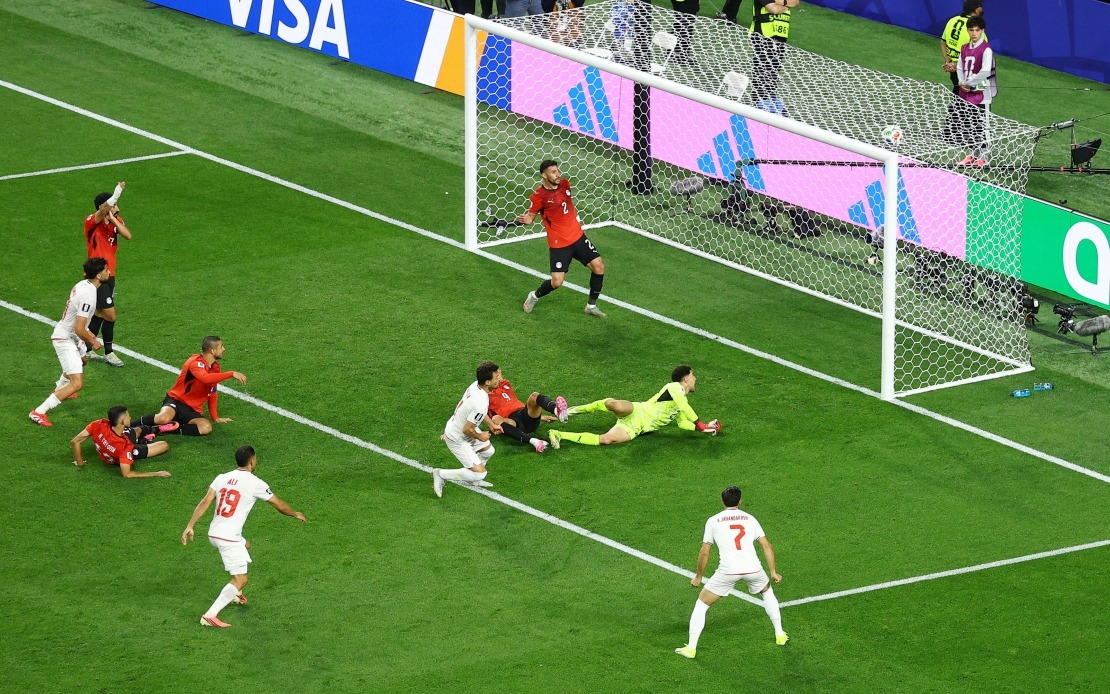
Iran's World Cup journey came to a contentious end on Saturday as they exited the tournament following a goalless draw with Egypt—though the Iranians would dispute even that characterisation, having been denied what they believed was a legitimate goal through a lengthy video review. The elimination marked the conclusion of a campaign plagued by logistical hurdles and what the Iranian Football Federation International Relations (FFIRI) described as discriminatory treatment extending far beyond the pitch.
The circumstances surrounding Iran's participation proved remarkable from the outset. Originally scheduled to establish their base camp in Arizona, the delegation was compelled to relocate to Tijuana, Mexico, a decision that reflected the complex diplomatic tensions between Tehran and Washington. This geographical displacement resulted in significant travel complications, with the team facing restricted movement across multiple match venues within the United States. Such constraints, while ostensibly justified through standard security protocols, created an unequal competitive environment compared to other participating nations.
The turning point in Iran's campaign came during the crucial encounter against Egypt, when VAR officials undertook an extended review before ultimately ruling that an Iranian goal should not stand. The decision, which consumed considerable time and left the team's supporters frustrated, effectively sealed their knockout stage elimination. This incident crystallised broader frustrations that had accumulated throughout their tournament experience, positioning the VAR controversy as emblematic of larger systemic disadvantages.
In their official statement upon departure, the FFIRI adopted a measured yet clearly pointed tone, thanking international media organisations for documenting what they characterised as the "unfair and unsportsmanlike" dimensions of their treatment. This phrasing proved deliberately diplomatic—acknowledging professional journalism while firmly establishing a record of their grievances. The federation emphasised that media coverage had extended beyond mere sporting analysis to encompass the broader context of their operational challenges.
The statement reflected a strategic decision to frame Iran's experience within a narrative of transparency and fairness in international competition. By publicly commending journalists for their factual reporting, the federation simultaneously validated its own allegations through an appeal to established media institutions. This approach enabled Iran to lodge complaints without directly accusing World Cup organisers or the sport's governing bodies of deliberate malfeasance, instead positioning their concerns as matters of sporting principle.
Tijuana emerged as an unexpected symbol of solidarity within Iran's World Cup narrative. The Mexican city, which became the team's operational headquarters, received effusive praise in the federation's statement. This rhetorical pivot—from frustration with American-based arrangements to gratitude toward Mexican hospitality—served multiple functions: it acknowledged the genuine support received while simultaneously highlighting the contrast with their primary host nation's treatment. The warm reception from Tijuana's residents provided an important counternarrative to the restrictive experience elsewhere.
For Southeast Asian observers, Iran's experience carries instructive implications regarding international sports diplomacy. The mechanics of how nations manage participation in global tournaments often reflect underlying geopolitical tensions that transcend athletic competition. Iran's displacement to Mexico, rather than remaining in their assigned American base, demonstrates how political relationships can substantially reshape operational logistics in ways that disadvantage participating teams without violating explicit tournament regulations.
The VAR decision controversy adds another dimension of concern for sporting integrity debates. Video review technology, implemented ostensibly to enhance fairness, became instead a focal point of frustration. The extended review period, while ultimately producing an official determination, left participants and observers questioning whether the process operated with consistent standards across all teams. Such concerns resonate throughout global football, where VAR has repeatedly sparked debates about consistency and potential unconscious bias in its application.
Iran's diplomatic complaints position their World Cup participation within a broader pattern of complicated international engagement. Rather than accepting disadvantageous circumstances as inevitable consequences of diplomatic tensions, the federation constructed a methodical record of their experience. This approach created documentation that could inform future discussions about hosting arrangements, security protocols, and the baseline conditions required for genuine competitive equity in international tournaments.
The implications extend to how host nations balance legitimate security considerations with fair treatment obligations. While authorities might argue that their restrictions on Iranian delegation movement reflected necessary precautions, the federation's public statement effectively challenged whether such measures represented equitable application of security standards. This tension between security imperatives and sporting fairness remains unresolved in international competition governance.
Iran's departure marked not merely an athletic elimination but rather the conclusion of a high-profile case study in how political tensions intersect with international sporting competitions. Their measured public statements, combining expression of grievance with appreciation for genuine kindness received, demonstrated sophisticated diplomatic communication. As global football continues expanding across politically sensitive regions, Iran's experience offers valuable lessons about the infrastructure required to ensure that World Cup participation remains genuinely equitable for all nations, regardless of their diplomatic relationships with host countries.

