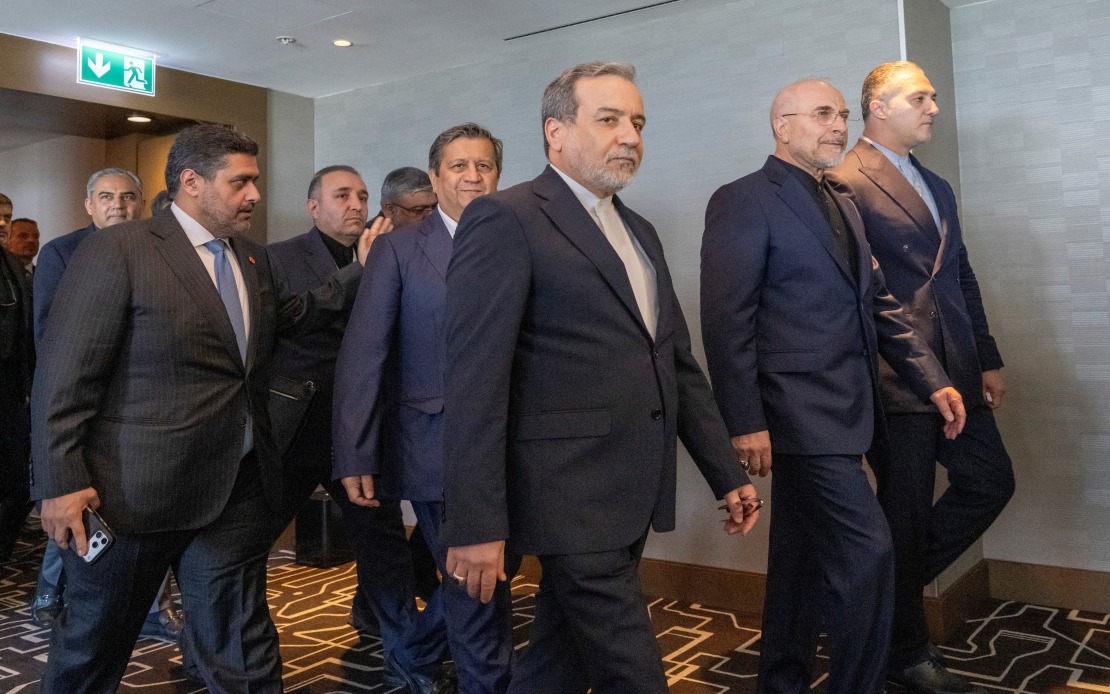
Iran's chief negotiating team boarded flights returning to Tehran on Monday after concluding an extended round of high-level discussions with American representatives at the Lake Lucerne Summit in Burgenstock, Switzerland. The Iranian Parliament Speaker Mohammad Bagher Qalibaf, who spearheaded the delegation, departed following the formal conclusion of talks that stretched nearly eighteen hours and represented a significant diplomatic engagement between the two countries. The intensity and duration of the negotiations underscored the complexity of issues under discussion and the commitment both sides appear to be making toward resolving longstanding disputes.
The involvement of Qatar and Pakistan as mediators proved instrumental in facilitating dialogue between Tehran and Washington. Both intermediary nations characterized the negotiating environment as markedly positive and constructive, signalling that despite the historical tensions between Iran and the United States, the current momentum appears genuinely committed to finding common ground. This assessment carries substantial weight, as Qatar and Pakistan maintain diplomatic channels with both parties and possess credibility as neutral facilitators in regional disputes. Their optimism about the trajectory of talks suggests tangible breakthroughs may have emerged from the intensive bargaining sessions.
The mediators disclosed that participants agreed upon several procedural and structural mechanisms designed to sustain momentum toward a comprehensive final agreement. These mechanisms included the establishment of a high-level committee tasked with overseeing the broader negotiating framework, ensuring that senior officials remain engaged and empowered to make consequential decisions. Additionally, the parties concurred on forming technical working groups, specialized teams responsible for delving into specific subject areas and developing detailed proposals on contentious matters. Such compartmentalization allows negotiators to make incremental progress on discrete issues while maintaining overall strategic coherence.
A particularly significant outcome involved acceptance of a sixty-day roadmap charting a pathway toward concluding a definitive accord. This timeframe, while neither immediate nor extended indefinitely, establishes concrete deadlines for achieving milestones and resolving outstanding disagreements. For Malaysia and other Southeast Asian nations monitoring these developments, such timelines matter considerably, as prolonged uncertainty regarding US-Iran relations creates regional volatility affecting oil markets, shipping corridors through the Strait of Hormuz, and broader geopolitical stability. A structured timeline suggests both parties recognize that drift and indefinite negotiations serve neither interest.
The decision to continue technical discussions later in the same week demonstrated that negotiators intended to capitalize on the positive environment established during the Lake Lucerne Summit. Rather than allowing momentum to dissipate during the return journey to capitals, both delegations committed to maintaining engagement through specialized working groups. This approach reflects a sophisticated understanding that breakthrough moments in international negotiations often prove fragile, requiring sustained pressure and follow-through to consolidate gains and convert preliminary agreements into binding commitments.
For Malaysian observers, these developments carry implications extending beyond bilateral US-Iran relations. The success or failure of these negotiations will reverberate through regional stability, particularly regarding maritime security in waters critical to Malaysian commerce and energy supplies. The Strait of Hormuz, through which approximately one-third of globally traded maritime petroleum transits, remains vulnerable to disruption should hostilities resume or tensions escalate between Iran and Western powers. A negotiated settlement reducing such risks benefits Southeast Asian economies dependent upon reliable energy supplies and predictable shipping environments.
The strategic significance of involving Qatar and Pakistan as mediators also warrants attention. Both nations maintain substantial interests in regional stability and possess the diplomatic relationships necessary to convey messages credibly between adversarial parties. Pakistan's role particularly underscores how South Asian nations increasingly function as intermediaries in critical Middle Eastern disputes, a pattern that reflects shifting geopolitical alignments and the expanded sphere of influence that regional powers like Islamabad exercise.
The Iranian government's commitment to returning a high-level delegation—rather than sending junior representatives—to pursue these negotiations demonstrates that Tehran takes these discussions seriously and views potential breakthroughs as strategically valuable. Mohammad Bagher Qalibaf's personal leadership of the Iranian delegation signals that this round of talks commanded attention at the highest echelons of Iranian decision-making. His role as Parliament Speaker adds weight to his negotiating authority, suggesting that any preliminary agreements he endorses would carry considerable legitimacy within Iran's political establishment.
The broader context of these negotiations involves longstanding disagreements regarding sanctions, nuclear programs, and regional military activities. While the current reporting focuses on procedural progress rather than substantive breakthroughs on these core issues, the establishment of mechanisms for continued discussion and the stated positive atmosphere suggest that negotiators remain committed to patient, methodical progression toward resolution. The sixty-day roadmap, rather than promising immediate comprehensive agreement, acknowledges that resolution of such multifaceted disputes requires sustained engagement across multiple technical domains.
For regional stability and Malaysian interests specifically, the success of these negotiations would reduce uncertainty that has constrained economic planning and trade relationships. A stabilized relationship between Iran and the United States would diminish risks of sudden military confrontation, unpredictable sanctions implementations, and disruptions to global energy markets. Conversely, failure to maintain current momentum could precipitate renewed tensions and the return to the confrontational patterns that characterized prior years.
The technical discussions scheduled for later in the week will prove critical to determining whether the positive atmosphere and procedural agreements forged at Lake Lucerne translate into substantive progress on actual disagreements. These working group sessions will move beyond atmospherics and procedural matters to grapple with specific contentious issues where both sides maintain fundamentally different positions. The challenge of these subsequent negotiations will test whether the goodwill and constructive tone evident at the summit can withstand the inevitable tensions that arise when confronting genuine policy disagreements.