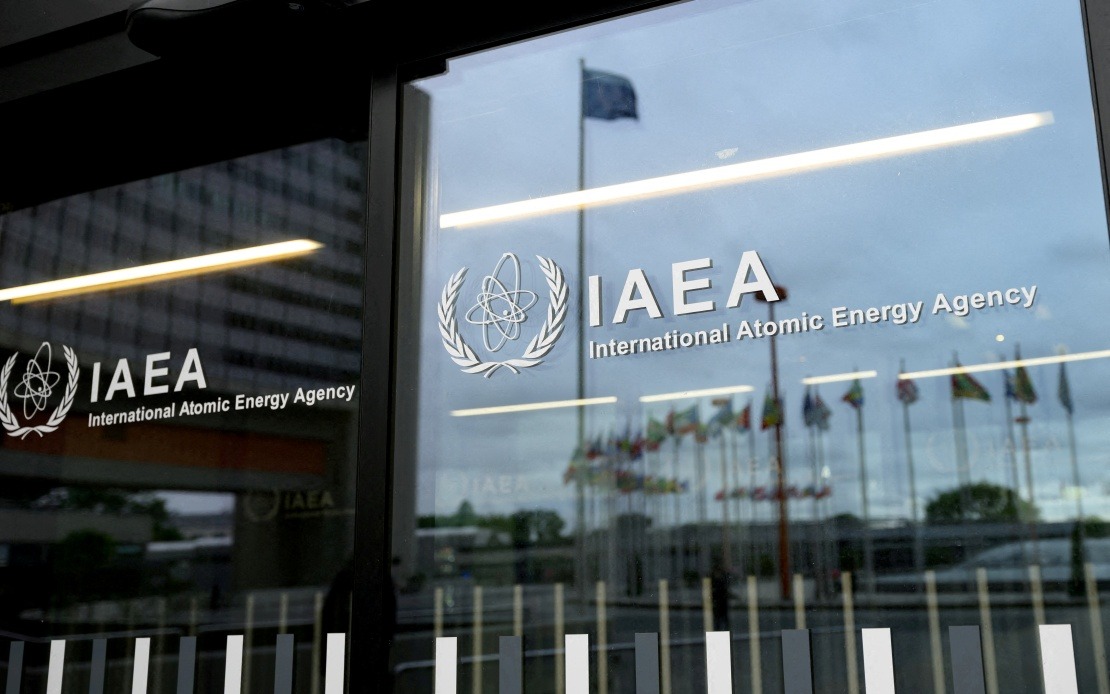
Iran has made clear it will not cooperate with International Atomic Energy Agency inspections of its nuclear infrastructure until Washington fulfills commitments under a forthcoming comprehensive accord, hardening its stance as negotiations accelerated following a June 18 memorandum of understanding. The position, articulated by Deputy Foreign Minister Kazem Gharibabadi on social media, represents a significant precondition that could complicate efforts to resolve the decade-long nuclear dispute between Tehran and the West.
Gharibabadi specified that any access arrangements for Iran's nuclear installations and materials would be contingent on finalising a binding agreement and receiving tangible evidence of American commitment to lifting sanctions. This conditional approach reflects Iran's deep scepticism about Western intentions, stemming from previous breakdowns in nuclear diplomacy and the unilateral American withdrawal from the 2015 accord. By tying inspections to broader agreement terms, Tehran appears to be leveraging its compliance record as a negotiating asset rather than offering it as a goodwill gesture.
The Iranian diplomat additionally rejected claims that his country's negotiating team had recently met with IAEA Director General Rafael Grossi in Switzerland, despite the agency chief's public requests for such engagement. This denial underscores the fractious atmosphere surrounding technical discussions even as senior officials from both sides continue talking. The absence of direct contact between Iran's negotiators and the IAEA suggests significant gaps remain in building the trust necessary for intrusive verification mechanisms.
Grossi had announced that the IAEA would proceed with inspections under the terms of the newly-signed memorandum of understanding, appearing to move forward with standard verification protocols. However, his statement appears to have been premature given Iran's explicit rejection of such arrangements before a final agreement materialises. The IAEA director's public optimism contrasts sharply with Tehran's more cautious and conditional framing, indicating divergent expectations about the timeline and sequencing of verification activities.
The June 18 memorandum established a 60-day negotiating window to hammer out a comprehensive settlement on Iran's nuclear programme alongside arrangements for sanctions relief. Initial discussions occurred in Switzerland over the weekend, with delegations from both countries presenting opening positions. The compressed timeframe underscores the urgency both parties feel to resolve an issue that has destabilised the Middle East and created economic consequences extending far beyond the region.
Iran's nuclear infrastructure has endured remarkable punishment in recent months. Three critical facilities—the Fordow enrichment complex, the Natanz uranium processing site, and the Isfahan reactor complex—were targeted during a devastating 12-day military campaign in June 2025 following escalating regional tensions. These same locations became focal points again during a separate conflict cycle beginning in late February this year, when coordinated American and Israeli strikes struck at Iranian nuclear and military installations across the country. The repeated targeting has left installations substantially damaged, though Iran maintains they are repairable.
The destruction of these sites complicates verification discussions fundamentally. Iran may legitimately argue that the damage to facilities already subjected to decades of international scrutiny strengthens its position in demanding reciprocal concessions. Conversely, the extensive bombing creates genuine technical challenges for inspectors attempting to verify compliance when baseline documentation and equipment may have been compromised. This physical reality gives Tehran additional leverage in conditioning access to what restoration or reconstruction work inspectors might expect to observe.
For Southeast Asian observers and policymakers, Iran's negotiating posture matters considerably. Any agreement or breakdown affects global energy markets, insurance costs for maritime trade through the Strait of Hormuz, and regional security dynamics that inevitably influence Southeast Asian nations' relationships with major powers. Malaysia and other ASEAN members have long sought to maintain balanced relations with both Iranian and Western entities, making the nuclear question a matter of strategic concern beyond the immediate bilateral context.
The conditional stance on inspections reflects broader Iranian suspicion accumulated through years of diplomatic disappointment. Previous American administrations have violated international agreements, imposed unilateral sanctions despite compliance, and supported military actions against Iranian interests. From Tehran's perspective, offering transparency without securing guarantees of reciprocal American compliance represents unacceptable risk. This historical context, though often overlooked in Western commentary, shapes every Iranian position at the negotiating table.
The next six weeks will prove crucial in determining whether both parties can bridge the gap between Iran's demands for certainty about sanctions removal and Western insistence on adequate verification. The inspection access dispute exemplifies the larger problem: each side requires commitments from the other before taking initial steps, creating a chicken-and-egg dynamic that has plagued nuclear negotiations for years. Breaking this deadlock will require creative sequencing of concessions and verifiable commitments that demonstrate good faith without requiring either party to move first blindly.
Technical experts from the IAEA will need to develop protocols satisfying Iran's legitimate security concerns about industrial espionage while providing the agency sufficient oversight to reassure international stakeholders. This represents genuinely difficult technical work conducted amid heightened political tensions and mutual distrust. The outcome will significantly influence whether diplomatic initiatives can overcome the momentum of recent military escalations and establish a sustainable framework for managing Iran's nuclear programme and regional relationships.

