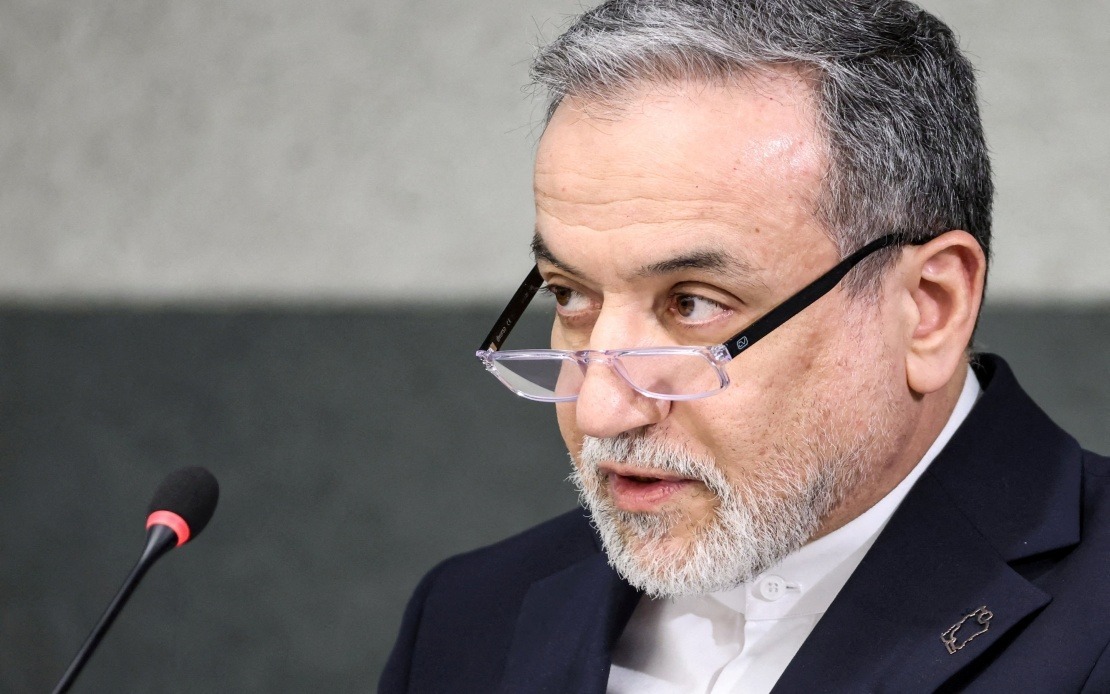
Iran has reasserted its claim to guardianship of the Strait of Hormuz, directly responding to controversial statements by US President Donald Trump regarding the imposition of shipping tolls through one of the world's most strategically vital waterways. Foreign Minister Abbas Araghchi made the declaration on Monday, underscoring Tehran's historical and geopolitical position in controlling access to this critical chokepoint that connects the Persian Gulf to the Arabian Sea.
The Iranian foreign minister's comments arrived in the wake of Trump's assertion that the United States would enforce a blockade on Iranian activity in the Strait while simultaneously charging shipping operators a 20 per cent fee for safe passage. This proposal, if implemented, would represent a dramatic escalation in the longstanding contest between Washington and Tehran for influence and control over maritime commerce in the region. The Strait remains one of the world's most economically consequential shipping lanes, with approximately one-third of all seaborne oil trade passing through its narrow waters annually.
In his public statement, Araghchi demonstrated shrewd diplomatic maneuvering by appearing to concur with the underlying principle that entities securing maritime safety should receive compensation for their services. This rhetorical acknowledgment of Trump's basic argument simultaneously repositioned Iran as the legitimate provider of such protection, thereby challenging the American president's implicit claim to authority over the waterway. By framing Iran as the natural guardian rather than the US, Araghchi attempted to recontextualize the entire debate around stewardship and legitimacy.
However, the Iranian minister swiftly rejected the specific toll rate proposed by Trump. Characterizing the 20 per cent figure as excessive, Araghchi suggested that Iran would implement more equitable arrangements should it formalize any fee structure. This nuanced response allowed Iran to appear reasonable while maintaining its fundamental objection to American impositions on the strategic corridor. The distinction between accepting the concept of compensatory fees whilst rejecting American terms proved a key element of Iran's counter-narrative.
The escalating rhetoric reflects deteriorating relations between Washington and Tehran over maritime security in the Persian Gulf. Beyond mere verbal exchanges, the two nations have engaged in sporadic military confrontations and shipping incidents throughout 2024, with each side accusing the other of aggressive actions in the shared waters. These concrete tensions underscore the precarious nature of commercial navigation in the region and the vulnerability of global energy supplies to disruption.
Significantly, despite the public conflict, both nations had previously committed to a Pakistani-mediated understanding intended to de-escalate hostilities and establish pathways toward sustainable peace. Yet the continued exchange of hostile rhetoric and the escalation of competing claims over the Strait suggest that such diplomatic initiatives remain fragile and insufficient to restrain deeper strategic competition. The memorandum of understanding, though formally acknowledged by both parties, has failed to prevent renewed tensions and provocative statements.
For Malaysian policymakers and regional observers, the intensifying dispute over the Strait of Hormuz carries profound implications. Malaysia's economy remains heavily dependent on stable energy supplies and unimpeded maritime trade. Approximately 80 per cent of Malaysia's petroleum imports transit through the Strait, making any disruption to shipping potentially catastrophic for domestic energy security and manufacturing competitiveness. An American toll regime imposed without multilateral agreement would constitute an unprecedented assertion of hegemonic control over international waterways, setting dangerous precedents for other critical maritime passages.
The broader Southeast Asian region faces considerable vulnerability to any conflict that might fully obstruct the Strait. Global crude prices would surge dramatically, cascading throughout supply chains and inflation rates across member economies of ASEAN. Beyond immediate economic effects, the precedent of a major power unilaterally imposing fees on international shipping could inspire similar claims by other nations controlling strategic waterways, fundamentally destabilizing the post-World War II system of open maritime commerce that underpins regional prosperity.
Iran's insistence on its guardian role reflects not merely nationalist posturing but a substantive geopolitical reality. As the nation bordering the Strait's northern shore with significant military and naval capabilities, Tehran possesses genuine capacity to enforce its claims, regardless of American preferences. The historical precedent of Iranian naval operations during the tanker wars of the 1980s demonstrated this capability vividly. Contemporary Iranian naval technology and anti-ship capabilities have only improved since that period, lending weight to its assertions.
The diplomatic deadlock evidences deeper structural tensions in contemporary international relations. Traditional international law regarding freedom of navigation in international waters conflicts with the security imperatives and resource interests of regional powers. The competing claims of the United States and Iran reflect a fundamental disagreement about who bears responsibility for maintaining security and whether such responsibility justifies compensation mechanisms. Without multilateral frameworks and genuine negotiation, these disputes risk crystallizing into intractable conflicts.
Regional states, particularly those dependent on energy imports and maritime commerce like Malaysia, possess genuine interests in de-escalating this contest. ASEAN nations have historically pursued neutrality in great-power competitions whilst advocating for adherence to international law and the rules-based order. The current dispute tests these commitments by forcing regional actors to confront situations where neither party claims full legitimacy and where peaceful resolution remains elusive despite preliminary agreements.
Moving forward, resolution of the Strait of Hormuz dispute will require genuine multilateral engagement transcending bilateral American-Iranian competition. International shipping organisations, maritime authorities, and nations heavily dependent on Persian Gulf commerce must collectively establish frameworks that address legitimate security concerns whilst preserving open access to international waterways. Without such comprehensive approaches, the Strait risks becoming an increasingly contested space where political rhetoric and military capabilities, rather than legal frameworks, determine commercial access.

