Tensions between Iran and its Gulf neighbours have intensified following competing claims over the fate of Iranian military personnel detained following separate incidents in Qatar and Kuwait. On Sunday, Mohammad Baqerzadeh, who heads the Committee for the Search for Missing Persons within Iran's Armed Forces General Staff, reiterated Tehran's demands for access to investigate what Iran maintains are pilots held in Qatari custody, triggering a fresh round of allegations and counter-allegations that underscores simmering regional friction.
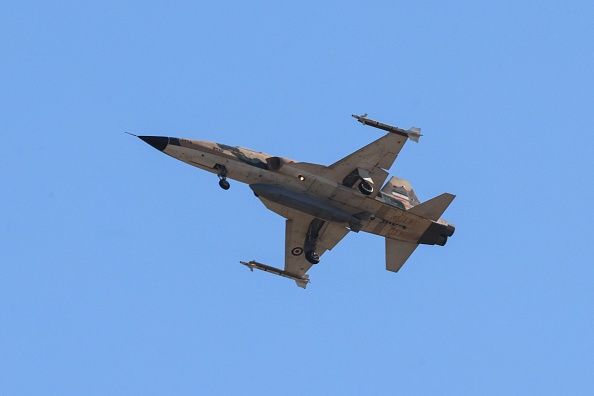
The dispute stems from an incident in March involving Iranian military aircraft that reportedly entered Qatari airspace without authorisation. Qatar's government stated that its search and rescue personnel located the remains of one pilot following the violation. However, Tehran contests this account, asserting that the pilots are alive and in Qatari detention. According to Iranian media reports, Baqerzadeh claimed that an Iranian Air Force specialist team and investigators have been attempting to gain entry to Qatar for months to conduct their own examination, only to face repeated bureaucratic obstacles from Doha's authorities.
Qatar has rejected accusations of holding Iranian personnel, instead highlighting its cooperation efforts. The Gulf state said it has attempted to coordinate with Tehran regarding the return of recovered remains and extended an invitation for Iranian officials to inspect its search and rescue operation records. Doha's failure to receive acknowledgement from Iranian officials compounds the diplomatic impasse, with both sides accusing the other of obstructing transparency. This breakdown in communication reflects deeper mistrust between Tehran and Doha, despite historical ties and shared interests in regional affairs.
The situation carries implications beyond the immediate bilateral relationship. Baqerzadeh's explicit call for intervention by the International Committee of the Red Cross signals Iran's intent to escalate the matter to international arbitration bodies, a move that could pressure Qatar to permit independent verification. The Red Cross's role as a neutral monitor in armed conflicts and detention situations carries significant weight in regional diplomacy, and its involvement would represent a notable shift in how Iran and Qatar manage their dispute.
Paralleling the Qatar controversy is a separate detention matter involving Kuwait. Iran asserts that four of its nationals, identified as Revolutionary Guards members, are being held unlawfully by Kuwait following a maritime incident in May. Tehran's official explanation attributes their crossing into Kuwaiti territorial waters to a navigation system malfunction during what it described as a routine patrol operation. The four have reportedly remained in Kuwaiti custody for extended periods without, according to Iranian sources, appropriate consular access or transparency regarding their legal status.
Kuwait presents a markedly different narrative regarding the same four detainees. Kuwaiti authorities have characterised the individuals not as victims of circumstance but as persons suspected of plotting hostile actions against the country. This fundamental disagreement over intent—accident versus deliberate incursion with malicious purpose—reflects the broader geopolitical tensions characterising relations between Iran and several Gulf Cooperation Council members. Kuwait's security concerns regarding Iranian activities in its waters carry historical resonance given the complex history of Iran-Kuwait relations and occasional military incidents.
Baqerzadeh's accusations that both Qatar and Kuwait are deliberately withholding information and preventing the return of captured personnel suggest that Tehran views these cases through a framework of deliberate detention rather than legitimate security holds. The commander's framing of the situation as one requiring urgent international intervention implies that bilateral channels have proven insufficient or that Iran lacks confidence in direct negotiations yielding satisfactory results. This strategic escalation through public statements and media campaigns often precedes broader diplomatic manoeuvres in Gulf regional politics.
For Malaysia and other Southeast Asian nations observing Gulf developments, these incidents illustrate the persistent volatility characterising relations between Iran and Arab Gulf states. The dispute mechanisms—or lack thereof—demonstrate how security incidents can rapidly metastasise into diplomatic crises when transparency and communication channels deteriorate. The involvement of international bodies like the Red Cross reflects global norms around detention and missing persons, standards that apply regardless of the geopolitical context in which incidents occur.
The inability of Qatar and Kuwait to satisfactorily address Iran's concerns through existing channels suggests that regional mediation mechanisms remain underdeveloped. Countries like Oman, which has historically served as a backchannel for Iran-GCC communications, may find themselves increasingly called upon to facilitate dialogue. The longer these disputes persist unresolved, the greater the risk of further incidents and miscalculations that could destabilise the broader Arabian Gulf region.
Underlying these specific cases are questions about how Iran engages with smaller, wealthier Gulf states in an era of heightened security consciousness. Iran's emphasis on international oversight through the Red Cross and its public articulation of grievances suggests a strategy aimed at attracting third-party pressure on Qatar and Kuwait. Whether such pressure materialises and whether it produces the access and information Iran demands remain open questions with significant implications for regional stability and the fate of the detained individuals themselves.

