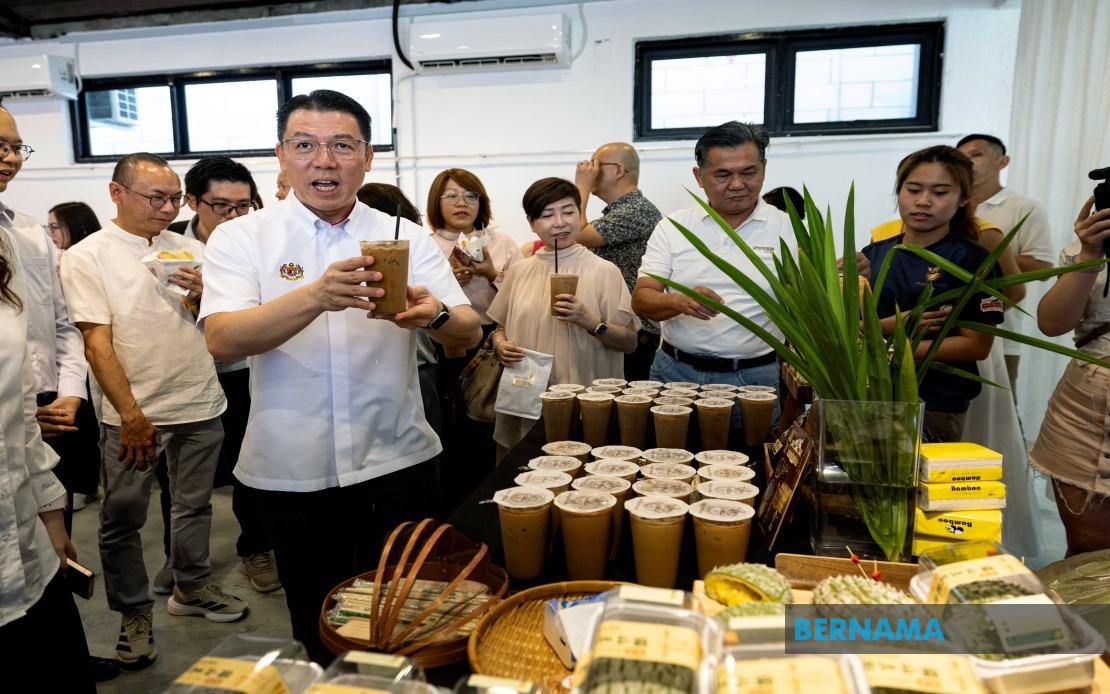
Malaysia's multicultural identity finds perhaps its most accessible expression through food, and this principle underpins the upcoming Jom Makan Ipoh 2026 Expo, a three-day celebration designed to position gastronomy as an instrument of national cohesion. Minister of Housing and Local Government Nga Kor Ming, who represents the Kepayang constituency, formally unveiled the festival's framework this week, emphasizing how culinary traditions transcend ethnic and religious boundaries to create common ground among Malaysians. The expo, scheduled to run from August 28 to 30 at Palo 101 in Ipoh, represents a deliberate strategy to harness the city's distinctive food culture for both community engagement and economic benefit.
The festival's organizational structure reflects careful coordination between the Kepayang constituency service centre and multiple strategic partners, all working toward a unified vision of heritage preservation and contemporary gastronomy. By selecting Merdeka Month for this initiative, organizers have deliberately aligned food celebration with Malaysia's independence narrative, suggesting that shared culinary enjoyment reinforces the nation's founding principle of unity in diversity. The connection between food and national identity is not incidental but central to the expo's messaging, positioning Ipoh's restaurants and street vendors as custodians of traditions that literally hold the country together.
The expo's scale demonstrates considerable ambition, with organizers expecting more than 20,000 visitors across the three-evening programme, which runs from 5 pm to 11 pm each night. The festival will accommodate over 50 food and agricultural product stalls, with particular emphasis on the city's 12 signature specialties that have defined Ipoh's gastronomic identity across generations. This concentration on locally established dishes rather than imported cuisines signals an intentional focus on preserving authentic traditions rather than chasing contemporary food trends. The selection includes beloved classics such as Laksa Buyong, the city's famous white coffee, nasi ayam taugeh, and puding taufu, each carrying historical significance and customer loyalty extending far beyond Ipoh's municipal boundaries.
Beyond simple food service, the expo incorporates substantial educational and cultural components designed to deepen visitor understanding of culinary history and significance. Six dedicated Ipoh Food Culture Galleries will operate throughout the festival, each addressing a distinct historical or cultural dimension of the city's food traditions. These galleries will explore the white coffee industry, the influence of the tin mining era on local eating habits, the cultural importance of kacang putih, and the evolution of sambal and ulam preparations—essentially creating an edible museum that contextualizes each dish within broader narratives of immigration, labor, and cultural adaptation. This approach transforms the festival from a simple commercial gathering into an educational platform where visitors, whether local or tourist, can understand how food embodies and expresses historical experience.
The programming schedule strategically balances commercial food sales with cultural performances and interactive content. Multiple stage performances featuring artists from various ethnic backgrounds will run throughout the three days, reinforcing the festival's central message about multicultural harmony through entertainment. The "Food Talks Ipoh" series will provide platforms for restaurateurs, historians, and culinary experts to discuss food evolution and preservation, elevating conversations beyond mere consumption to encompass broader cultural and historical questions. The introduction of an Ipoh QR Digital Food Map represents digital modernization within heritage preservation, allowing visitors to navigate the festival while accessing detailed information about each dish's origins and preparation methods through their smartphones.
Malaysia's positioning as "Truly Asia" depends substantially on authentic cultural expression, and food represents perhaps the most visceral and shareable form of cultural ambassadorship available. Unlike many cultural expressions that require linguistic competence or specialized knowledge, food communication operates directly through sensory experience and emotional memory. A visitor encountering Ipoh's distinctive white coffee or laksa experiences the city's heritage through taste and smell, creating memories and associations more durable than photographs or written descriptions. By recognizing this fundamental human connection, the festival positions Ipoh not merely as a tourist destination but as a repository of lived cultural tradition worthy of preservation and celebration.
The timing of this initiative reflects broader recognition across Malaysian governance that multicultural harmony requires continuous, creative reinforcement rather than passive assumption. By combining preservation objectives with city branding and tourism promotion, the expo acknowledges that heritage conservation need not conflict with economic development. Rather, authentic cultural celebration attracts visitors precisely because it offers genuine encounters with local tradition, creating economic benefit for food vendors and broader tourism infrastructure while simultaneously strengthening community pride in cultural inheritance. This alignment of cultural preservation with commercial viability provides a sustainable model for heritage conservation in increasingly touristic urban environments.
For Southeast Asian observers, the Ipoh expo exemplifies a particular approach to multicultural governance that emphasizes shared experience over abstract principle. Rather than legislating tolerance or demanding explicit statements of unity, this strategy creates occasions for communities to experience their interdependence through everyday activities like eating together. The festival's success will ultimately be measured not only in visitor numbers but in whether participants leave with strengthened understanding of how their neighbors' culinary traditions reflect shared history and ongoing coexistence. If the projected 20,000 visitors materialize and engage genuinely with both food and cultural programming, the expo could establish a template for other Malaysian cities seeking to celebrate heritage while building contemporary social cohesion.
The festival also addresses practical dimensions of heritage preservation that extend beyond sentiment or nostalgia. Many traditional Ipoh dishes face transmission challenges as younger generations pursue different occupations or as original preparation techniques become labor-intensive relative to modern alternatives. By creating substantial public occasion and revenue opportunity for traditional food vendors and producers, the expo provides economic incentive for knowledge transfer and business continuation. Young people may more readily apprentice in family food businesses or pursue culinary education when cultural prestige and commercial viability converge as they do in this festival context.
Looking forward, the success of Jom Makan Ipoh 2026 may influence how other Malaysian cities approach heritage and community engagement. The model—combining commercial food sales, educational galleries, cultural performances, and explicit messaging about unity—could be adapted across the country, each festival serving local culinary traditions while reinforcing national narratives of multicultural coexistence. For Ipoh specifically, this inaugural festival establishes the city's food culture as central to its identity and economic future, positioning the city not as a mining heritage destination of the past but as a living center of culinary innovation rooted in authentic tradition.

