Indonesia's primary international aviation hub has emerged as a major focal point in the region's drug trafficking landscape, with Soekarno-Hatta Airport documenting over 300 narcotic-related cases since January, according to officials overseeing customs enforcement at the facility. The volume translates to an average of at least two incidents daily at an airport that processes between 25,000 and 30,000 international passengers on a routine basis, illustrating the scale of the challenge facing authorities tasked with securing one of Southeast Asia's most critical transportation chokepoints.
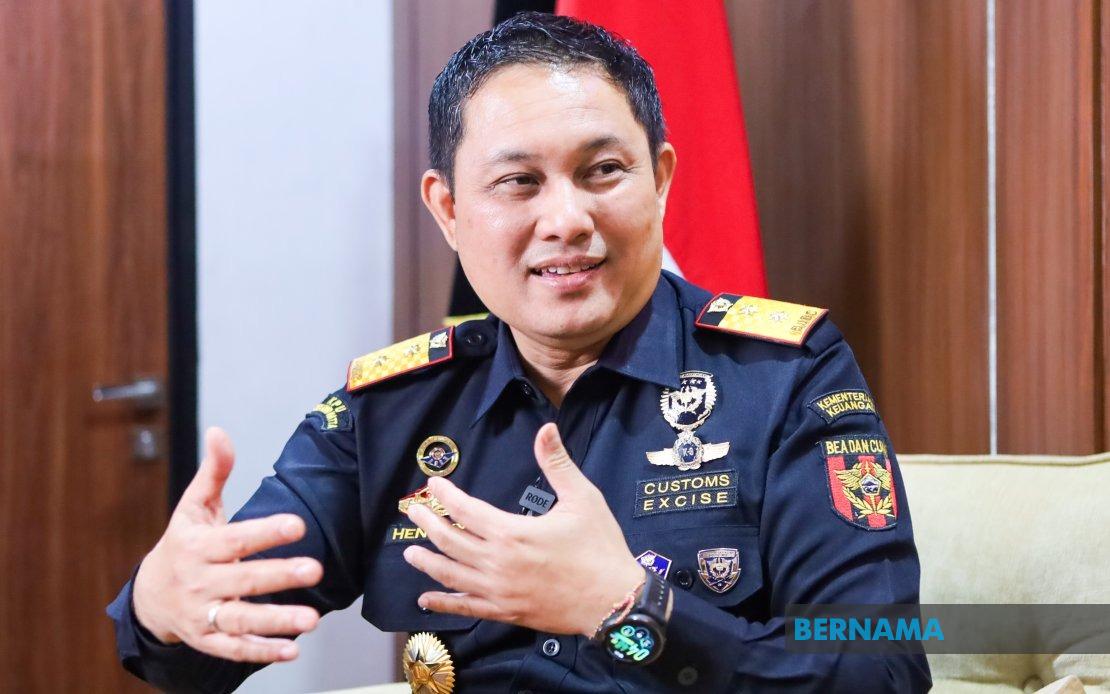
Hengky Tomuan Parlindungan Aritonang, the head of Soekarno-Hatta's Main Customs and Excise Office, characterised the caseload as symptomatic of broader regional dynamics in which criminal syndicates have become increasingly sophisticated in their deployment of human couriers. Rather than limiting themselves to nationals of particular countries, trafficking networks demonstrate willingness to recruit across nationalities, exploiting the relative anonymity afforded by major international airports where passenger volumes can obscure suspicious behaviour. This adaptive strategy reflects how organised crime has evolved to neutralise conventional enforcement assumptions based on origin countries or flight routings.
A crucial insight offered by Aritonang concerns the deceptive nature of flight origin data in determining either the source of contraband or the nationality of those transporting it. Cases frequently emerge in which individuals boarding aircraft in Malaysia or Thailand carry narcotics despite being Indonesian nationals, complicating the investigative picture for customs officials. The observation underscores how major aviation hubs throughout Southeast Asia—particularly Malaysia, Thailand, and Hong Kong—function as transit points within larger distribution networks rather than as origin points. This transshipment characteristic suggests that apprehending individual couriers provides only a partial view of trafficking infrastructure, with the true source and ultimate destination often remaining obscured.
Syndicates employ deliberate recruitment strategies that target individuals with access to international travel, regardless of their citizenship. Aritonang noted that Indonesian workers employed abroad have been specifically approached and persuaded to transport narcotics upon returning home, exploiting the relative trust afforded to returning nationals and the assumption that family members pose lower risk profiles. This targeting methodology reflects operational intelligence gathering by trafficking organisations, which identify vulnerabilities in enforcement perceptions and exploit them systematically. The approach illustrates how criminal networks invest resources in understanding enforcement psychology, selecting couriers whose demographic profiles may trigger less intensive scrutiny.
Analysis of intercepted suspects reveals a geographically dispersed sourcing pattern, with individuals apprehended at Soekarno-Hatta originating from Spain, Malaysia, France, China, and other nations. Customs data identifies Thailand, Spain, Malaysia, and Singapore as primary sources of narcotics detected in smuggling operations, suggesting that these jurisdictions either host production facilities, serve as transshipment hubs, or both. The prevalence of psychotropic substances, etomidate, and methamphetamine among seized materials indicates that traffickers are moving both conventional street drugs and pharmaceutical-grade compounds with potential application in medical contexts, expanding the scope of enforcement attention beyond traditional narcotics.
Recent months have witnessed particular attention to Malaysian nationals involved in smuggling incidents, an observation that has generated considerable media scrutiny and raised questions about intelligence patterns or enforcement priorities. A Malaysian pilot was apprehended following the seizure of approximately 25 kilogrammes of MDMA at Soekarno-Hatta, while another Malaysian was detained at Juanda International Airport near Surabaya with 990 grammes of methamphetamine and 1,089 ecstasy pills strapped to his body. Additionally, three Malaysian women were held at Soekarno-Hatta this week after authorities discovered suspected MDMA, cocaine, and ketamine in their possession. The clustering of these cases within a compressed timeframe has generated regional attention and diplomatic sensitivities.
Aritonang moved to reassure Malaysian travellers that recent cases would not precipitate discriminatory enforcement practices or heightened screening based on nationality. He characterised customs procedures as professionally executed without regard to the ethnicity, skin colour, or national origin of passengers, instead relying on intelligence databases, X-ray imaging, and suspicious indicators to guide interception decisions. This articulation reflects Indonesia's awareness of potential diplomatic complications and the economic importance of maintaining visitor confidence among neighbouring countries. The statement attempts to distinguish between professional profiling based on objective risk indicators and discriminatory practices that might damage regional relations or tourism flows.
The pilot case acquired particular prominence within Indonesian discourse not primarily because of the suspect's Malaysian nationality but rather due to the extraordinary nature of recruiting a commercial aviation professional into a smuggling operation. Pilots undergo rigorous licensing, medical examinations, and background screening requirements that theoretically should render them unsuitable recruitment targets for trafficking syndicates. Aritonang suggested that the apparent anomaly reflects deliberate syndicate strategy: criminal organisations specifically seek to exploit what law enforcement considers improbable or impossible, operating on the assumption that security infrastructure prioritises obvious risk profiles. By recruiting individuals whose professional status ordinarily confers trust, trafficking networks effectively invert enforcement logic and exploit gaps created by conventional risk assessment frameworks.
Historical precedent for pilot involvement in narcotics trafficking within Indonesia appears limited, with Aritonang recalling only one prior incident involving an Indonesian pilot approximately two decades ago. This scarcity underscores how unusual the recent Malaysian pilot case represents within the broader context of Indonesian drug enforcement experience. The rarity of such incidents may explain the extraordinary attention the case generated, as it violated established patterns and challenged assumptions about which professional categories represent viable recruitment targets. The case simultaneously illustrates the evolving sophistication of trafficking organisations and the challenge posed by adversaries who deliberately target enforcement blind spots.
The broader regional implications of Soekarno-Hatta's drug enforcement data extend beyond Indonesia's borders, suggesting that Southeast Asian aviation infrastructure requires heightened attention from all relevant national authorities. Malaysian and Thai governments, identified as primary drug sources in customs data, face implicit pressure to strengthen domestic enforcement and supply-chain monitoring. The involvement of Malaysian nationals in multiple recent incidents may reflect either increased law enforcement capacity at Soekarno-Hatta or genuine increases in trafficking attempts originating from Malaysia, a distinction with significant policy implications. For Malaysia specifically, the data suggests either that domestic production or transshipment of narcotics warrants intensified investigation, or that Malaysian travellers have become targets for international trafficking syndicates seeking to exploit perceptions of lower enforcement vigilance.
The evolution of trafficking methods documented at Soekarno-Hatta reflects broader trends in global narcotics distribution, wherein major aviation hubs have become battlegrounds between enforcement agencies and increasingly sophisticated criminal networks. Cargo operations represent an additional vulnerability, with Aritonang noting that investigators must identify intended recipients of air shipments before tracing supplies backward to origins. This supply-chain approach requires coordination across multiple jurisdictions and intelligence agencies, complicating enforcement efforts and potentially creating opportunities for syndicates to exploit bureaucratic delays or gaps in information sharing. For Malaysian authorities collaborating with Indonesian counterparts, the data underscores the necessity for enhanced intelligence cooperation and real-time information exchange concerning suspect movements and trafficking patterns.
Looking forward, the volume of drug cases at Soekarno-Hatta suggests that Southeast Asian governments must recalibrate their approach to aviation security, viewing airports not merely as passenger processing facilities but as critical nodes in transnational supply networks requiring sustained intelligence investment and cross-border coordination. The sophistication demonstrated by syndicates in recruiting couriers across nationalities and professional categories indicates that conventional profiling methodologies may prove increasingly ineffective. Malaysia, as both a source jurisdiction for seized narcotics and a point of origin for apprehended couriers, occupies a pivotal position in regional drug policy discussions and enforcement cooperation frameworks. Enhanced intelligence sharing, joint investigation protocols, and reciprocal enforcement capacity building between Malaysian and Indonesian customs authorities appear essential to addressing trafficking networks that transcend conventional border and nationality boundaries.

