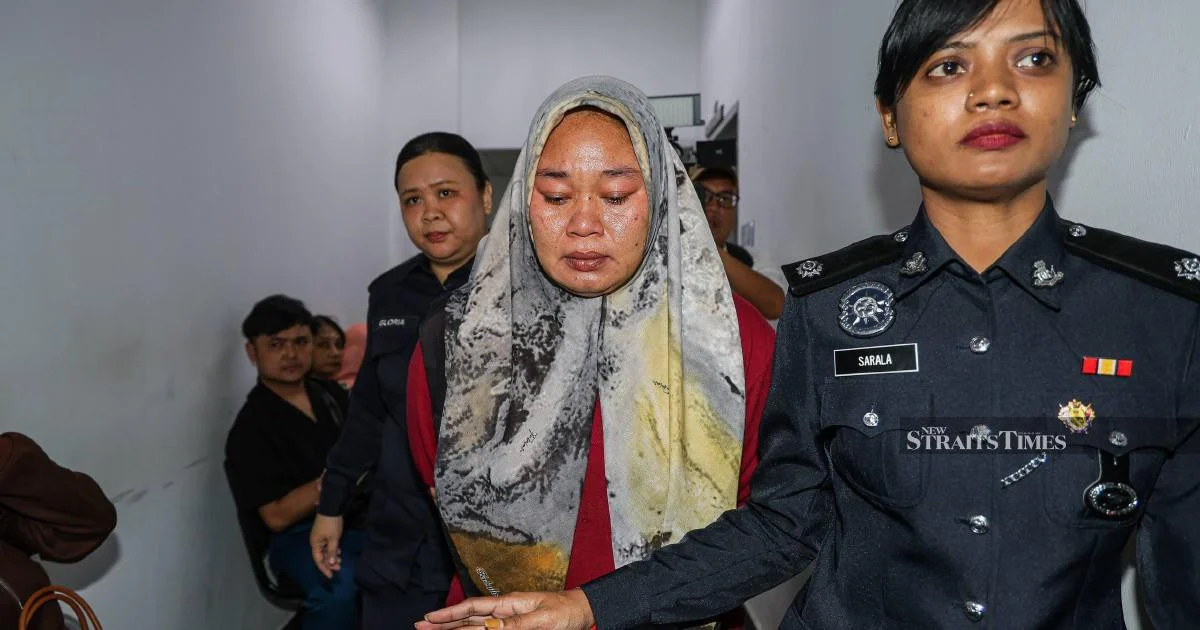
An Indonesian domestic helper has been formally charged in Johor Baru Sessions Court with abusing her employer's one-year-old child, marking the latest development in a case that attracted significant public attention online. The charges underscore ongoing tensions surrounding the treatment and accountability of domestic workers in Malaysian homes, particularly regarding the safety protocols for both caregivers and the children they supervise.
The alleged incident occurred in the previous year, though the precise date and circumstances remain subject to court examination. The charges were brought following what became a widely shared video incident that sparked considerable debate across Malaysian social media platforms and within communities that employ foreign domestic help. Such viral cases frequently reignite broader conversations about the regulation of household employment and the vulnerability of both workers and minors in private residential settings.
This case reflects persistent challenges within Malaysia's domestic worker sector, where an estimated 2.3 million foreign workers—predominantly from Indonesia—work in private homes across the country. Unlike workers in formal employment settings, domestic helpers operate largely beyond traditional workplace oversight mechanisms. They typically labour in isolated home environments with minimal supervision from authorities, creating situations where both protection of children and safeguarding of workers' own rights become complicated practical questions for employers and regulators alike.
The situation highlights a significant gap in Malaysia's regulatory framework. While the country has made efforts to improve employment standards through bilateral agreements with source countries like Indonesia, enforcement mechanisms within private residences remain notoriously difficult. Domestic workers often face language barriers, limited understanding of their rights, and reluctance to report problems due to dependency on their employers for accommodation and income. This structural vulnerability can paradoxically lead to circumstances where isolated incidents—sometimes involving children—occur without immediate intervention or documentation.
For Malaysian families employing household staff, such cases create genuine ethical dilemmas. Parents must balance their need for childcare assistance with concerns about suitable qualifications, vetting, and ongoing supervision of caregivers. Many employers lack formal training in hiring practices or child safety protocols beyond informal recommendations from friends or established agencies. The emotional nature of child welfare issues means that when incidents occur, they rapidly escalate into legal and social crises affecting entire families.
The Indonesian government and diplomatic missions in Malaysia have increasingly engaged with these employment disputes, recognizing that worker mistreatment damages the dignity of citizens working abroad and creates diplomatic friction. Indonesia's awareness campaign about workers' rights has expanded significantly, with consular services now better equipped to assist domestic helpers facing abuse or legal proceedings. Nevertheless, many workers remain unaware of available support systems or reluctant to approach authorities for fear of deportation or employer retaliation.
Investigators in these cases face particular challenges given the private nature of homes and the often limited corroborating evidence available beyond testimonies from adults who were present. Video evidence, as emerged in this instance through social media circulation, can prove crucial in establishing what occurred—though the viral spread of such material also raises separate concerns about privacy, presumption of innocence, and the psychological impact on all parties involved. Media coverage, while serving a public interest function, can inadvertently compromise fair trial procedures.
The broader question of accountability extends beyond individual criminal cases to systemic issues about how households should operate when they include vulnerable populations. Best practice standards in other countries often involve third-party oversight, regular safety inspections, mandatory training for both employers and employees, and clearer documentation of incidents. Malaysia has not yet implemented such comprehensive frameworks, leaving domestic employment largely governed by private contractual arrangements and personal judgment.
For the Indonesian maid community in Malaysia, highly publicised cases like this can create a chilling effect where workers become less willing to report genuine mistreatment by employers for fear of being arrested or implicated in disputes they did not initiate. Conversely, such cases also provide opportunities for awareness-raising among employers about their legal obligations and the serious consequences of neglect or abuse within their households. Professional domestic worker organizations and employment agencies have begun promoting certified training courses that emphasize both practical childcare skills and legal responsibilities.
The Sessions Court hearing will likely involve examination of medical evidence regarding the child's injuries, expert testimony about child abuse patterns, and assessment of the maid's account of events. Depending on the outcome, the case may set precedent regarding accountability standards for domestic workers caring for children and could influence how future employment contracts address supervision and safety measures. Legal experts suggest that clear written agreements specifying working hours, duties, expected standards of care, and reporting procedures could reduce ambiguity in disputed cases.
This incident also resonates across Southeast Asia, where millions of workers move between countries for domestic employment under similar regulatory gaps. Thailand, Singapore, and other regional economies face comparable challenges balancing the economic benefits of imported labour with adequate protection frameworks. International organizations have increasingly called for regional cooperation on domestic worker standards, including mutual recognition of certifications and coordinated enforcement against exploitative practices.
The case will continue through the Malaysian court system, but its public dimensions mean that broader conversations about household employment governance are already underway. Whether the outcome prompts policy refinements—such as mandatory agencies for domestic hiring, training requirements, or periodic welfare checks—remains uncertain. What is evident is that absent systemic improvements, individual tragedies will continue to emerge from an employment sector that remains fundamentally under-regulated despite its enormous scale and social significance.