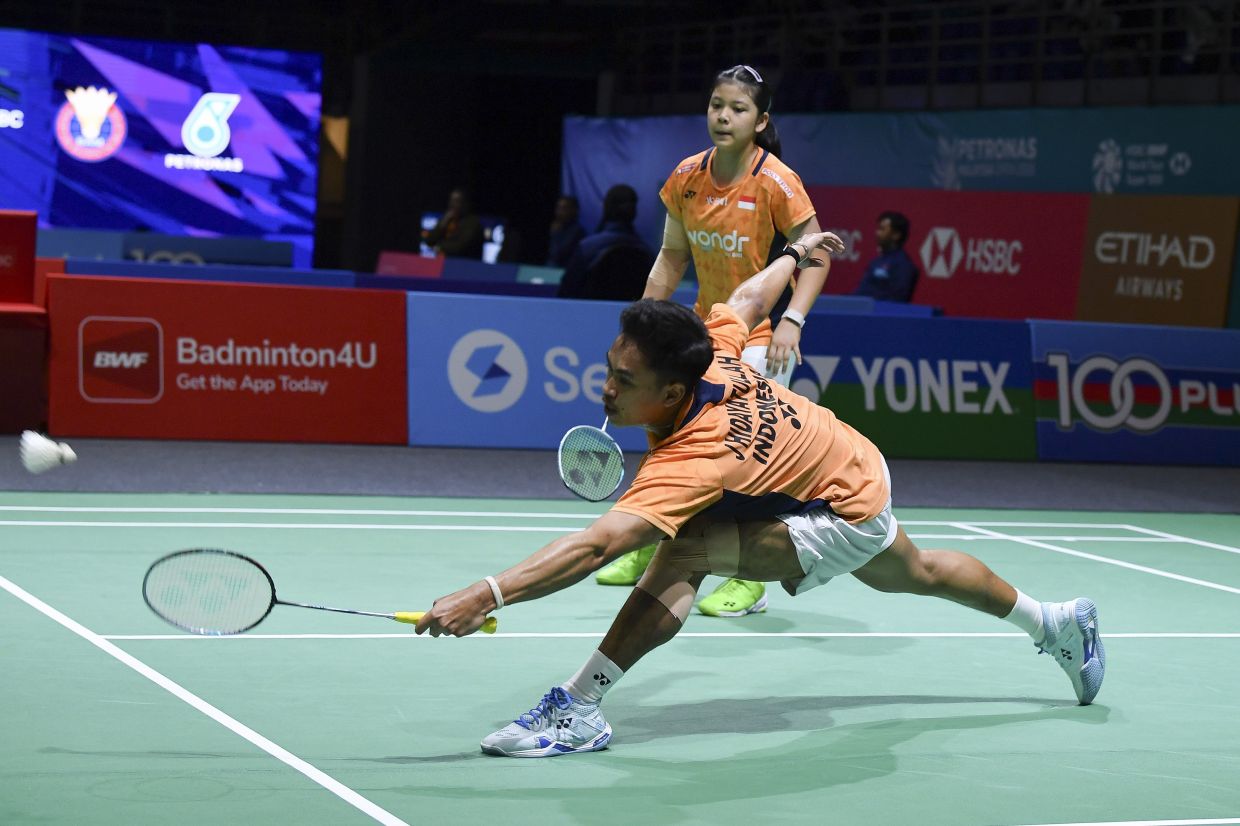
Two Indonesian badminton pairs have withdrawn from the upcoming World Championships amid mounting scrutiny over an alleged match-fixing scandal that has cast a shadow over the sport in Southeast Asia's badminton powerhouse. The withdrawals of Jafar Hidayatullah-Felisha Pasaribu, ranked 13th in the world for mixed doubles, and teammates Adnan Maulana-Indah Cahya Sari Jamil have intensified speculation about the scope and scale of an integrity investigation now underway across the Indonesian badminton establishment.
While Indonesia's Badminton Association has not explicitly linked either pair to the misconduct allegations, the timing of the departures and the vagueness surrounding the official rationale have left observers drawing their own conclusions. The Indonesian Badminton Association, known locally as PBSI, disclosed through secretary-general Ricky Soebagdja that both mixed doubles teams had been removed from the World Championships roster as part of what the organisation characterised as adjustments to the national squad composition. The statement notably avoided any direct reference to disciplinary action or investigation-related circumstances, instead framing the decision through bland administrative language that masked what appears to be a more serious underlying issue.
The Badminton World Federation, the sport's global governing body, is conducting what it describes as independent judicial proceedings to examine alleged integrity breaches that purportedly involve multiple Indonesian players. This formal investigative process represents a significant escalation in badminton's ongoing battle against corruption, a persistent challenge that threatens the credibility of international competition. The precise nature of the suspected misconduct and the number of athletes under scrutiny remain undisclosed, though the involvement of multiple competitors suggests a systematic problem rather than isolated incidents.
PBSI's official statement attempted to present the withdrawal decisions as routine administrative adjustments undertaken to ensure compliance with international regulations and proper procedures. The association emphasised that it respects the independence of the BWF's investigative mechanisms and supports the federation's efforts to maintain competitive integrity. However, this carefully worded response provides little clarity about whether the withdrawn players face formal suspension, are voluntarily stepping back pending the investigation's conclusion, or are being sidelined as a precautionary measure to protect Indonesia's reputation.
The sequencing of the withdrawals offers insight into the unfolding situation. Adnan and Indah withdrew on July 13, suggesting they may have been notified of the investigation's preliminary findings or faced direct pressure from the association. Jafar and Felisha's departure came later on July 29, potentially indicating that the probe's scope widened or that evidence emerged linking additional athletes to the alleged wrongdoing. The gap between the two withdrawals implies this is an evolving situation rather than a one-off enforcement action, and officials may still be gathering evidence and determining which other competitors should face consequences.
For Malaysia and other Southeast Asian nations competing at the World Championships, the Indonesian scandal presents both challenges and opportunities. Indonesia has long been a formidable badminton force regionally and globally, and internal corruption undermines the entire region's sporting standing internationally. Malaysian players, coaches, and administrators will be closely monitoring how seriously the BWF pursues this investigation and what sanctions ultimately result, as the credibility of competition outcomes affects all participating nations. The scandal also raises uncomfortable questions about whether match-fixing problems might extend beyond Indonesia's borders within Asia's badminton community.
Indonesia will still field mixed doubles representation at the World Championships despite the withdrawals, with the association promoting Rehan Kusharjanto and Gloria Widjaja from the reserve roster to join Amri Syahnawi and Nita Violina Marwah. This strategic pivot allows Indonesia to maintain its competitive presence while managing the reputational fallout from the investigation. The promotion of reserve players suggests the association had anticipated potential complications with its squad plans, possibly indicating advance knowledge of the investigation's trajectory.
The PBSI's refusal to elaborate further pending the BWF's final determination reflects the delicate position organisations face when navigating corruption allegations. Public statements risk prejudging outcomes before evidence is fully evaluated, yet silence invites speculation and undermines transparency. The association's emphasis on respecting the BWF's independence also shields PBSI from direct accountability, essentially delegating responsibility for enforcement to the international body. This approach, while legally prudent, leaves Indonesian badminton fans and the broader sporting public uncertain about what precisely has occurred and whether domestic leadership has adequately addressed systemic problems.
The investigation's timing, unfolding during an Olympic year when badminton enjoys heightened global attention, amplifies the scandal's impact on the sport's image. International federations and sponsors scrutinise any hint of corruption, and prolonged uncertainty about investigation outcomes can damage commercial partnerships and viewer confidence. Indonesia's badminton establishment faces pressure not only to cooperate fully with the BWF but also to demonstrate meaningful internal reforms that prevent future violations. The withdrawn players' anonymity in terms of specific charges—the public remains unaware of what they are alleged to have done—further complicates the narrative.
As the BWF Independent Hearing Panel prepares to issue its formal decision, the badminton world awaits clarity on the investigation's findings and the punishments to be imposed. The outcome will establish important precedent for how international sport responds to integrity violations within Asian badminton, potentially influencing enforcement approaches across other federations. For Malaysian readers and Southeast Asian badminton enthusiasts, this case underscores both the sport's enduring appeal and the constant threat that corruption poses to competitive legitimacy across the region.

