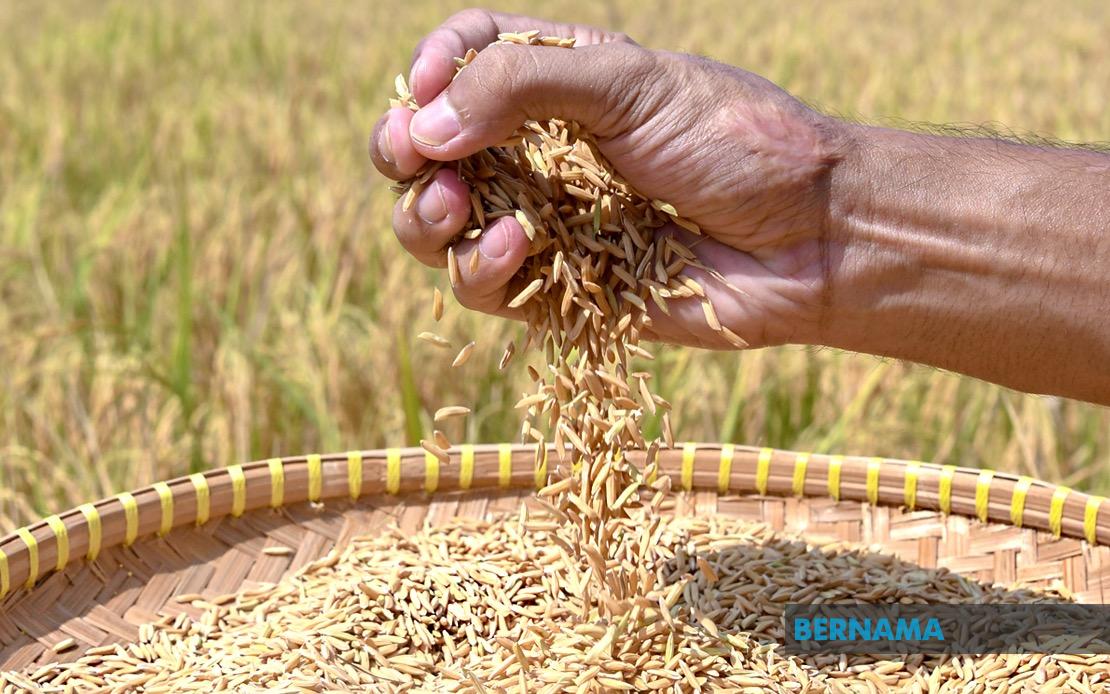
Indonesia's push to expand rice exports to neighbouring Malaysia and Singapore has entered a critical phase, with the country's state logistics agency Bulog maintaining active discussions aimed at finalising commercial terms for substantial shipments to both markets. The proposed transactions would represent a significant move by Jakarta to leverage its agricultural capacity while addressing regional food security considerations, though the negotiations underscore the delicate balancing act Indonesia must perform between generating export revenue and protecting its domestic farming community.
Bulog president director Ahmad Rizal Ramdhani outlined the current state of negotiations in remarks reported by Antara News Agency on Monday, indicating that discussions remain ongoing with both countries over pricing structures and associated commercial arrangements. The agency is currently awaiting confirmation from Malaysia that it is prepared to receive an Indonesian delegation, a preliminary step that would allow negotiators to meet directly and work towards establishing binding commitments. Ramdhani emphasised that Indonesia remains committed to advancing these discussions, and that his organisation continues to maintain contact with both governments to expedite the process while pursuing clarity on pricing matters that have been agreed in principle.
The proposed export to Malaysia represents the larger of the two planned transactions, with 200,000 tonnes of rice at the centre of ongoing price negotiations between the two countries. This substantial volume reflects Malaysia's significant import requirements and its strategic interest in diversifying rice sourcing, particularly given long-standing supply chain vulnerabilities and the desire to reduce dependence on traditional suppliers. For Indonesia, which produces surplus rice in certain seasons, Malaysia represents an established market with geographic proximity and existing trade relationships that could facilitate smoother commercial and logistics operations.
Separately, Indonesia is also advancing plans to export 10,000 tonnes of rice to Singapore following ministerial-level discussions held in Jakarta on June 29. Those talks, which brought together Indonesia's Agriculture Minister Andi Amran Sulaiman and Singapore's Sustainability and the Environment Minister Grace Fu, established the foundation for this smaller but strategically important transaction. Singapore's interest in diversifying its rice imports reflects the city-state's consistent approach to securing food supply resilience, an especially significant concern for an island nation with minimal domestic agricultural capacity.
The negotiations carry considerable political weight in Indonesia, with President Prabowo Subianto issuing clear directives regarding the terms under which rice exports may proceed. The President has explicitly instructed that any export agreement must incorporate safeguards designed to protect Indonesian farmers from potential adverse impacts, ensuring that the pursuit of export revenue does not undermine rural livelihoods or domestic agricultural sustainability. This stipulation reflects broader government concerns about maintaining social stability in agricultural regions and preventing the erosion of farmer incomes through international competition or supply disruptions.
The timing of these negotiations reflects Indonesia's position as a major rice producer in Southeast Asia, though the country has historically wrestled with fluctuating production levels influenced by weather patterns, pest management challenges, and infrastructure constraints. Recent years have seen Indonesia transition between periods of surplus and deficit production, making strategic export opportunities particularly valuable when domestic supply conditions permit. The current negotiations appear to be proceeding during a period when Indonesia believes it possesses exportable surplus capacity, though precise production forecasts remain subject to revision.
For Malaysia, securing rice imports from Indonesia addresses multiple strategic objectives. Beyond meeting domestic consumption requirements, diversifying suppliers provides insurance against supply shocks from traditional sources and reduces exposure to potential price volatility in global rice markets. Geographic proximity to Indonesia also offers advantages in terms of transportation costs and logistics efficiency compared to sourcing from more distant suppliers in Asia or globally. The bilateral negotiations thus serve mutual interests in strengthening regional food security architecture.
Singapore's participation in these discussions, though involving a smaller volume, carries symbolic significance in demonstrating Indonesia's capacity to serve as a reliable food supplier to neighbouring economies. For Singapore, sourcing rice from Indonesia reinforces existing trade patterns and reflects the economic integration that characterises the broader Southeast Asian region. The discussions also underscore how individual countries continue to prioritise bilateral arrangements alongside broader multilateral frameworks in addressing food security.
The negotiation process itself reveals the complexity of establishing major agricultural trade flows in Southeast Asia, where pricing, quality standards, logistics arrangements, and regulatory compliance all require detailed discussion and agreement. The fact that Malaysia has not yet confirmed its readiness to receive an Indonesian delegation suggests that preparatory work remains necessary on the Malaysian side, potentially involving coordination between government agencies, commercial entities, and logistics providers. Such preparations are standard practice but can extend timelines for finalising agreements.
The broader context for these negotiations includes Indonesia's strategic interest in expanding its role in regional agricultural trade and addressing its balance of payments position through increased agricultural exports. Rice exports, given Indonesia's production scale and the region's substantial consumption base, represent a logical focus for such efforts. Success in securing agreements with Malaysia and Singapore could establish templates for expanded trade with other neighbouring countries or demonstrate Indonesia's reliability as a supplier, potentially opening pathways to additional export opportunities.
These developments also reflect the reality that Southeast Asian countries are increasingly looking inward to address food security challenges through regional cooperation rather than relying exclusively on distant global suppliers. Indonesia's agricultural resources and geographic position make it a natural supplier for neighbours facing import requirements, while those neighbours' demand provides Indonesia with market opportunities. The current negotiations exemplify this pattern of deepening regional food trade interdependence.
As discussions proceed, stakeholder management remains crucial for Indonesia's negotiating team. Domestic rice farmers, agricultural associations, and rural communities will scrutinise export arrangements to ensure their interests receive adequate protection. Simultaneously, policymakers must balance farmer protection with the economic benefits that export revenues generate, recognising that agricultural exports contribute to foreign exchange earnings and broader economic objectives. Ramdhani's emphasis on awaiting Malaysia's readiness and maintaining communication channels suggests a measured approach designed to secure durable agreements rather than rushing toward hasty arrangements.

