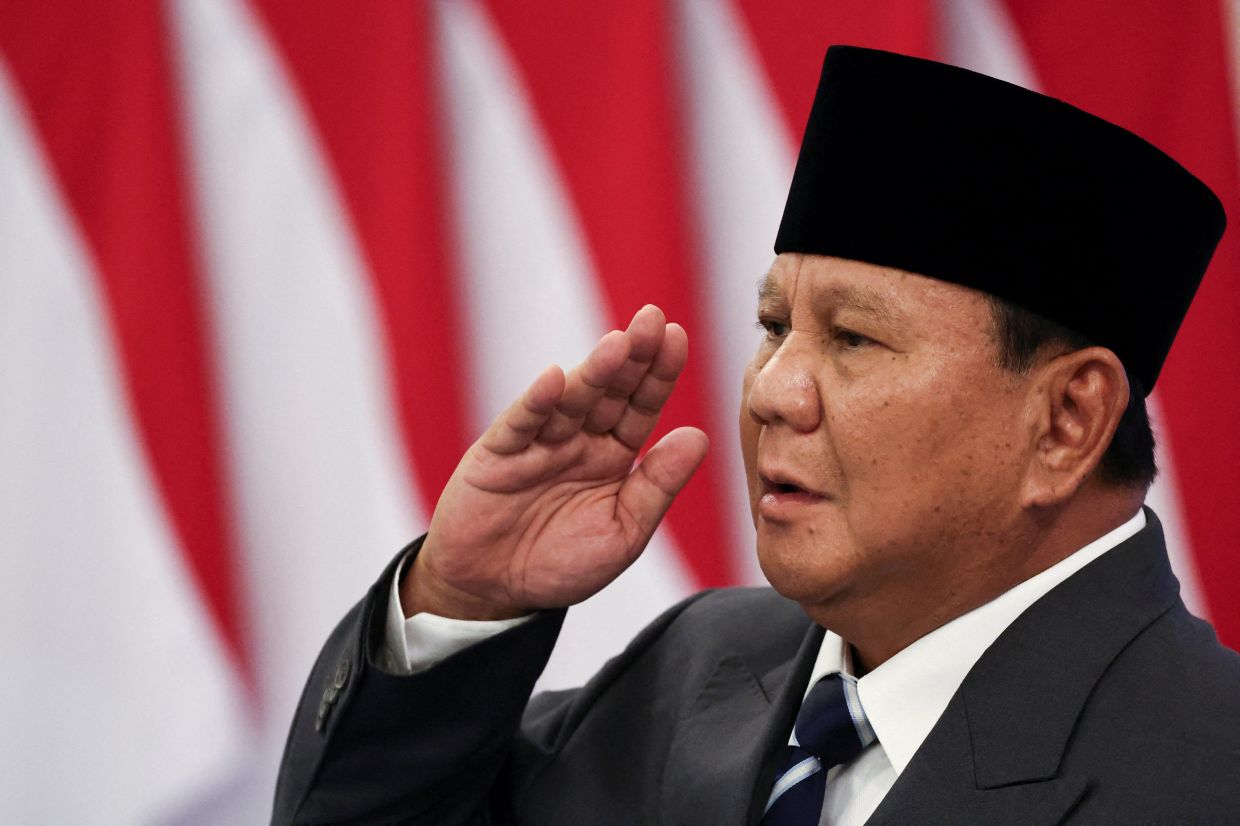
Indonesia's Defence Ministry has substantially remodelled its compulsory military training regime for prospective administrators of President Prabowo Subianto's ambitious "Red and White Cooperatives" programme, announcing the sweeping changes on Tuesday following the deaths of five participants in the first two weeks of instruction. The overhaul came after mounting public scrutiny regarding the appropriateness of subjecting nearly 35,000 civilian cooperative managers to military-style conditioning, raising broader questions about the government's development priorities and risk management in prestige initiatives.
The training programme, which commenced on June 14 and is scheduled to conclude on July 31, represents a prerequisite hurdle for all individuals seeking appointment as cooperative managers within Indonesia's emerging network of village-based enterprises. The Defence Ministry acknowledged that between June 17 and June 26, five trainees succumbed to various medical conditions including cardiac arrest, heat stroke, tuberculosis, and pneumonia. These deaths occurred despite the ministry's earlier assertions that all participants had undergone medical screening prior to enrolment and that the curriculum did not incorporate demanding physical conditioning.
Defence Ministry spokesperson Rico Sirait outlined the restructured training framework in remarks to Reuters, confirming that the redesigned approach eliminates tactical military instruction and elimates firearms training components entirely. The revised curriculum now emphasises substantially reduced physical demands, carefully calibrated to account for the civilian backgrounds and varying fitness levels of participating trainees. Rather than maintaining military discipline protocols, the refocused programme now prioritises character development, institutional discipline, leadership competency, and cooperative teamwork—objectives broadly aligned with the stated goals of producing effective village cooperative administrators rather than military personnel.
The "Red and White Cooperatives" initiative, formally established last July, constitutes a cornerstone of President Prabowo's economic development strategy and job creation blueprint. The scheme envisions establishing approximately 80,000 village-level cooperative enterprises distributed across Indonesia's archipelago, intended to generate employment opportunities whilst simultaneously achieving the administration's aspiration of eight percent economic growth by 2029. These cooperatives are designed to distribute essential consumer goods, government-subsidised cooking gas, and agricultural fertiliser to rural communities, positioning them as instruments for both economic stimulus and subsidy programme implementation at the grassroots level.
The scale of the undertaking is extraordinary: nearly 35,000 individuals are undergoing training simultaneously across multiple Defence Ministry regional training installations, representing logistical and administrative complexity of considerable magnitude. This dispersed training architecture introduced inherent challenges in standardising protocols, monitoring individual participant welfare, and ensuring consistent medical oversight—factors that likely contributed to the tragedy. The programme's significance within the administration's policy architecture means that any further fatalities could substantially undermine public confidence in Prabowo's economic development initiatives and raise enduring questions regarding governmental competence in programme implementation.
Indonesia's National Human Rights Commission intervened publicly on Sunday, formally urging the government to terminate the military training component for civilian cooperative managers altogether. This institutional challenge reflects broader societal concerns about the militarisation of civilian economic programmes and represents precisely the kind of scrutiny that prompted the ministry's defensive response regarding medical clearances. The commission's intervention signals that stakeholders across multiple governance institutions now question the fundamental rationale for incorporating military training into what should remain, at its essence, a civil economic development effort.
The ministry's original stance—that all deceased trainees had received medical clearance and that the training involved minimal physical exertion—proved untenable following public disclosure of the death toll and underlying health conditions. By Tuesday's announcement, the Defence Ministry pivoted to acknowledging the need for curriculum restructuring, implicitly conceding that the original training intensity exceeded appropriate thresholds for civilian participants regardless of prior medical certification. This reversal underscores the vulnerability of government programmes involving physical conditioning or military-style instruction, particularly where medical risks materialise in public view.
The incident carries implications beyond Indonesia's borders, signalling to other Southeast Asian governments pursuing similar economic development strategies the potential reputational and governance risks associated with militarising civilian administrative training. Several regional countries have experimented with military-led development initiatives, and Indonesia's experience provides cautionary evidence regarding appropriate safeguards, medical protocols, and conceptual boundaries between military institution-building and civil economic programme management.
Looking forward, the restructured training approach must demonstrate that character and leadership development can occur effectively without military instruction components. The Defence Ministry faces pressure to prove that substantially reduced physical demands, alongside enhanced medical monitoring and adjusted curricula, will prevent further casualties whilst still producing cooperative managers adequately prepared for their roles. Whether this compromise satisfies public concerns or merely defers deeper questions about the military's role in civilian economic programmes remains uncertain. The cooperative initiative itself—with its job creation and subsidy distribution objectives—retains genuine policy importance, but its implementation must now proceed with substantially heightened attention to participant safety and public accountability.

