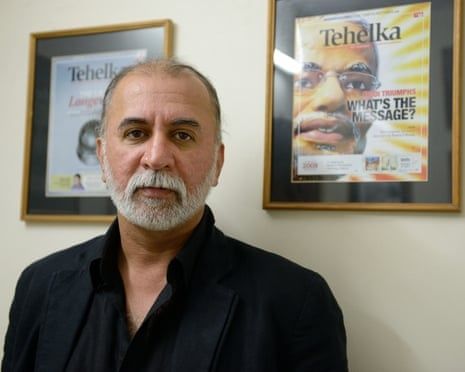
The Bombay High Court has convicted Tarun Tejpal, 63-year-old founder and former editor of Tehelka magazine, of raping a junior colleague in a significant reversal of an earlier trial court acquittal. The verdict, delivered on Thursday, marked a turning point in a decade-long legal battle that has captivated India's media landscape and raised important questions about accountability within the journalism profession itself.
Tejpal stands accused of assaulting a female journalist inside a hotel lift during a media event in Goa in November 2013. The alleged incident took place during the hotel's annual awards function, and the subsequent criminal proceedings have become one of India's most closely watched sexual assault cases. His arrest followed swiftly, and he remained in custody for seven months before India's Supreme Court granted him bail, allowing him to be released pending trial.
The legal trajectory of the case reflects the complex nature of sexual assault prosecutions in India. Initially, a Goa trial court acquitted Tejpal in 2021 of all charges, including rape, sexual harassment, and wrongful restraint. This acquittal appeared to have closed the chapter on a deeply divisive case. However, the Goa government challenged the verdict before the Bombay High Court, arguing that the trial court had erred in its assessment of evidence and witness testimony. That appellate challenge has now succeeded, with the higher court setting aside the acquittal and delivering a guilty verdict.
Goa Police investigator Sunita Sawant, who led the initial investigation, expressed the significance of the conviction while speaking to reporters following the verdict. She characterised the outcome as validation for women who choose to come forward with allegations of sexual misconduct, emphasising that the conviction sends an important message across all professional sectors. The investigator's comments underscored how the case transcends the individual circumstances and speaks to broader questions of workplace safety and institutional responsibility.
Tejpal maintains his innocence and has announced plans to appeal the conviction in higher courts, suggesting that further legal battles lie ahead. Sentencing in the case was scheduled for later on the same day as the verdict, meaning the courts would determine his punishment immediately following the guilty finding. The appeals process could potentially extend the legal proceedings for several more years, given India's notoriously lengthy appellate timelines.
The case carries particular symbolic weight because of Tejpal's position as a prominent media figure and Tehelka magazine's historical standing as a crusader for social justice and investigative reporting. For decades, Tehelka built its reputation on exposing corruption and championing the rights of marginalised groups, including women facing discrimination and exploitation. The allegations against its founder created a profound credibility crisis for the publication, forcing it to grapple with the contradiction between its stated editorial mission and the behaviour of its leadership.
Tehelka's trajectory since 2013 illustrates the reputational damage that can accrue from such scandals. Although the magazine continues to operate under new editorial leadership, it has struggled to reclaim the prominence and influence it wielded before the rape case emerged. The publication's inability to recover its former standing reflects how sexual misconduct allegations against senior figures can fundamentally alter the trajectory of even well-established institutions.
The timing of Tejpal's original arrest coincided with heightened national scrutiny of India's handling of sexual violence cases. Just months before his arrest, the fatal gang rape of a 23-year-old student aboard a New Delhi bus in December 2012 had sparked nationwide protests and international condemnation. That horrific case catalysed significant legislative reform, leading the government to strengthen India's rape laws and expand protections for assault survivors. Against this backdrop of heightened awareness and legal reform, the Tejpal case took on additional significance as a test of whether even powerful, well-connected men would face accountability.
The conviction's significance for Southeast Asian observers lies partly in its illustration of how regional legal systems are gradually responding to sexual misconduct allegations against powerful figures. India's appellate courts have demonstrated a willingness to overturn initial acquittals when presented with fresh legal arguments, suggesting that determination in pursuing justice through multiple court levels can yield results despite initial setbacks. However, the decade-long duration of these proceedings also highlights the patience required of survivors seeking justice through formal legal channels.
For Malaysian readers, the case serves as a reminder of both the progress being made across South Asia in addressing workplace sexual assault and the significant obstacles that remain. Indian courts have now signalled that senior positions and editorial credibility do not provide immunity from prosecution, yet the prolonged legal processes demonstrate the resource requirements and emotional toll involved in pursuing such cases. The conviction also raises questions about institutional accountability and whether media organisations themselves bear responsibility for creating environments where such misconduct can occur.
The broader implications for press freedom and newsroom culture across the region merit consideration. The Tehelka case demonstrates that sexual misconduct within media organisations can undermine the very institutions meant to hold power accountable. As newsrooms across Malaysia and Southeast Asia continue wrestling with questions of workplace safety and accountability, the Tejpal case offers both cautionary lessons about institutional vulnerability and evidence that legal systems can eventually deliver accountability, however imperfectly and slowly.

