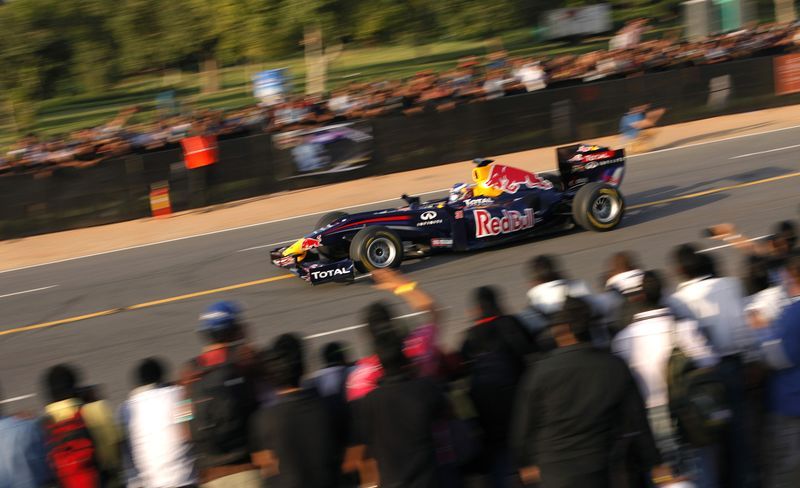
India's government has initiated a coordinated push to overcome the bureaucratic and fiscal obstacles that stalled Formula One racing more than a decade ago, with officials targeting a return of the Grand Prix to the Buddh International Circuit on the outskirts of New Delhi by 2028. The revival effort marks a significant turnaround for a country that once hosted the prestige motorsport event but abandoned it following a series of disputes that undermined the event's viability.
The Indian Grand Prix first took place in 2011, establishing the nation as a major player in global motorsport and drawing international automotive brands and audiences. However, the race proved short-lived, with the event held only three times before being discontinued in 2013. The collapse stemmed from disagreements over taxation arrangements and regulatory requirements that created insurmountable challenges for race organisers and the circuit operator, leaving unresolved tensions between commercial interests and government agencies.
Recognising the lost opportunity, Sports Minister Mansukh Mandaviya convened key stakeholders recently to explore conditions for a successful relaunch. The meetings included the Adani Group, widely expected to take operational control of the circuit, along with officials from India's motorsports federation and other relevant parties. These discussions culminated in plans to establish a dedicated task force that will systematically address the structural problems that derailed the previous attempt, signalling serious political commitment to returning Formula One to Indian soil.
The task force mandate is deliberately comprehensive, extending beyond Formula One to encompass the broader health of motorsport infrastructure and governance in India. Officials confirmed that taxation complications will receive priority attention, alongside regulatory frameworks, physical infrastructure readiness, and wider policy measures needed to attract and support international motorsport events. This broader approach suggests policymakers recognise that Formula One's success depends on creating a robust ecosystem for motorsport rather than solving isolated problems for one event.
Authentic inter-agency cooperation underpins the revival strategy, with India's tax authorities directly represented on the task force and the government's principal policy think tank assigned responsibility for streamlining bureaucratic processes across multiple ministries. This institutional configuration aims to prevent the fragmented decision-making that hampered earlier efforts, where different government bodies pursued conflicting objectives. The emphasis on reducing administrative friction indicates authorities understand that grand prix racing operates within internationally standardised requirements, leaving limited room for unilateral Indian policy improvisation.
The Adani Group, already a dominant player in India's ports and infrastructure sectors, has positioned itself as the lead private partner in this venture. Though the company declined to comment publicly, Karan Adani, managing director of Adani Ports & Special Economic Zone Ltd, has declared himself personally committed to restoring Formula One to India. His involvement signals the venture enjoys backing from one of India's most powerful business conglomerates, whose relationships with government and financial capacity provide tangible advantages over previous promotional attempts.
Formula One's global leadership has cautiously endorsed India's ambitions while tempering expectations about timing. Stefano Domenicali, the sport's chief executive, acknowledged "significant interest" in returning to India but stressed that groundwork must be thorough and conditions favourable before commitment. In comments to Indian broadcaster FanCode, Domenicali pointedly noted that identifying reliable promoters, securing appropriate commercial partnerships, and establishing the right moment required sustained effort extending well beyond the immediate future. His measured language reflects Formula One's experience with failed or problem-plagued events elsewhere, suggesting the sport will demand credible assurances before investing promotional resources.
The 2028 target, spanning roughly four years, reflects realistic appraisal of the work required. Domenicali's implicit message that India cannot rush the process aligns with the task force's methodical approach to resolving systemic issues rather than papering over them temporarily. This tempo contrasts sharply with the compressed timelines and half-measures that potentially contributed to the 2013 collapse, suggesting current architects have absorbed lessons from that experience.
For Malaysia and Southeast Asia more broadly, India's renewal of Formula One ambitions carries strategic implications. Formula One's presence in a major Asian economy generates spillover benefits across infrastructure, tourism, and technological innovation in the host region. A successful Indian Grand Prix would represent motorsport diversification in Asia beyond existing circuits in Japan, Singapore, and China, while potentially elevating the sport's profile across South Asia and attracting new commercial and technical investment to the region. Conversely, another failure would reinforce perceptions that only established motorsport nations can reliably host premier international events.
The tax and regulatory framework overhaul India is contemplating extends significance beyond Formula One itself. Malaysia and other Southeast Asian nations with aspirations for similar events or investments in major international sporting infrastructure may monitor how Indian authorities navigate the competing demands of commercial viability, public interest, and governance standards. The mechanisms India develops for inter-ministerial coordination could offer models—positive or cautionary—for neighbouring countries considering analogous initiatives.
The revival effort also reflects growing ambition within India's political and business elite to position the nation as not merely a consumer of global sporting spectacles but an active participant capable of hosting them reliably. This objective dovetails with broader Indian strategies to attract foreign investment, showcase technological capabilities, and enhance global influence through major infrastructure projects. Success would validate that narrative; failure would suggest institutional capacity limits remain genuine constraints despite economic progress.

