A 32-year-old nurse employed at a private hospital in Nizamabad district, Telangana, has been taken into custody on suspicion of murdering her husband through a deliberate injection of toxic household chemicals. Sandhya is accused of administering a lethal cocktail of toilet cleaning liquid mixed with crushed sedatives directly into her spouse's intravenous line on June 30. The death came just three days after the same man, Dayini Prashanth, 35, had survived what investigators believe was a coordinated first assassination attempt.
The tragic sequence began when Prashanth returned to India on June 27 after spending two years working abroad in the Gulf region. Upon his arrival, he made the fateful decision to remain in his home country rather than return to overseas employment. This change of plans fundamentally altered the domestic dynamics of his marriage and, according to police investigators, triggered desperation in his wife. Sandhya apparently viewed her husband's permanent return as a permanent barrier to continuing her extramarital relationship with a man identified as Anil, also 35 years old, and feared that Prashanth's presence would prevent her from maintaining this clandestine affair.
The conspiracy to eliminate Prashanth appears to have involved at least three people working in coordinated fashion. Beyond Sandhya and her lover Anil, the investigation revealed the involvement of Anil's associate, Venkat Sai, who goes by the alias Bunty. The three allegedly devised an initial plan to murder Prashanth by making his death appear accidental. On June 29, Sai visited the family home with a specific objective in mind. He plied Prashanth with substantial quantities of alcohol before luring him onto the residential building's terrace under the pretext of casual conversation. Once there, operating under telephoned instructions from Sandhya, Sai pushed the unsuspecting man from the rooftop.
Remarkably, Prashanth survived the fall, though he sustained severe injuries requiring immediate medical intervention. Rather than abandon their scheme, Sandhya demonstrated calculating quick thinking in the crisis. She convinced her injured husband that he had simply lost his footing while intoxicated and accidentally tumbled from the terrace. This psychological manipulation proved effective, and Prashanth accepted her explanation. She then arranged for him to receive treatment at a government hospital, apparently to create distance from the initial crime scene and avoid immediate suspicion.
The situation took a darker turn when the victim was subsequently transferred to a private medical facility and then discharged home for continued recovery. This transition proved critical to the conspiracy's second phase. Sandhya's professional background as a trained nurse provided her with both the knowledge and the opportunity to execute a more reliable murder method. While her husband remained bedridden and vulnerable during his recuperation from the terrace fall, she decided to administer intravenous fluids at home, exploiting her medical credentials to gain access to his body in ways that would appear legitimate to any observer.
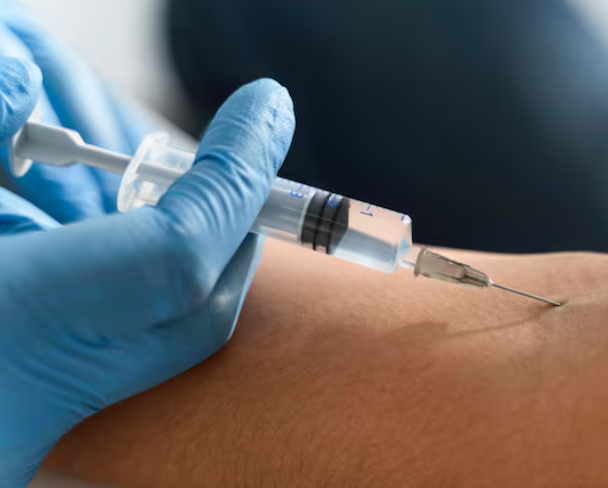
On June 30, Sandhya prepared a toxic mixture combining toilet cleaning liquid—a readily available but highly poisonous substance—with crushed sleeping medication. Using a cannula, she injected this lethal combination directly into her husband's intravenous line. The attack's brutality escalated beyond the injection itself; police records indicate that she also pushed Prashanth from his cot, compounding the trauma inflicted on his already-damaged body. This combination of chemical poisoning and physical trauma resulted in his death, though Sandhya immediately began constructing a narrative to explain the fatality as a natural consequence of his earlier injuries and deteriorating health.
The conspiracy might have succeeded in escaping detection had not Prashanth's mother, who maintained a separate residence, begun to harbour suspicions about the circumstances surrounding her son's death. Her maternal instincts overrode any social reluctance to accuse her daughter-in-law, and she filed a formal complaint with authorities expressing her doubts about the official cause of death. This maternal intervention triggered a police investigation that eventually unraveled the entire plot.
During police interrogation, Sandhya and her co-conspirators reportedly confessed to the sequence of events, revealing the premeditated nature of the crime and the calculated steps they had taken to eliminate obstacles to their relationship. The case highlights vulnerabilities in the healthcare system regarding supervision of intravenous administration, particularly in home care settings where medical professionals operate with minimal oversight. For observers across South Asia including Malaysia, the incident underscores how healthcare credentials can be weaponised for domestic violence and how family members' intuitions about suspicious deaths remain crucial to exposing crimes that might otherwise be classified as accidental or from natural causes.
The arrest represents a significant development in understanding honour-based violence and intimate partner homicide in the Indian subcontinent. While most discussions of such violence focus on physical abuse, dowry disputes, or honour killings, this case demonstrates that highly educated, professionally qualified women can also perpetrate calculated murder within marriage, employing sophisticated methods to conceal their crimes. The involvement of multiple conspirators and the use of medical knowledge to commit what might initially appear a natural death illustrates how criminal planning operates across class and education lines, challenging stereotypes about perpetrators of domestic homicide.
The investigation has also prompted discussions within Indian medical and law enforcement circles about standardised protocols for monitoring home-based intravenous care and mechanisms for investigating unexplained deaths of individuals with recent hospitalisations. Police officials have indicated they are examining whether similar incidents might have occurred elsewhere, given Sandhya's extended career as a healthcare worker. The case serves as a sobering reminder that while healthcare workers occupy positions of trust and authority, institutional oversight mechanisms must remain vigilant against the misuse of medical access and knowledge for criminal purposes.

