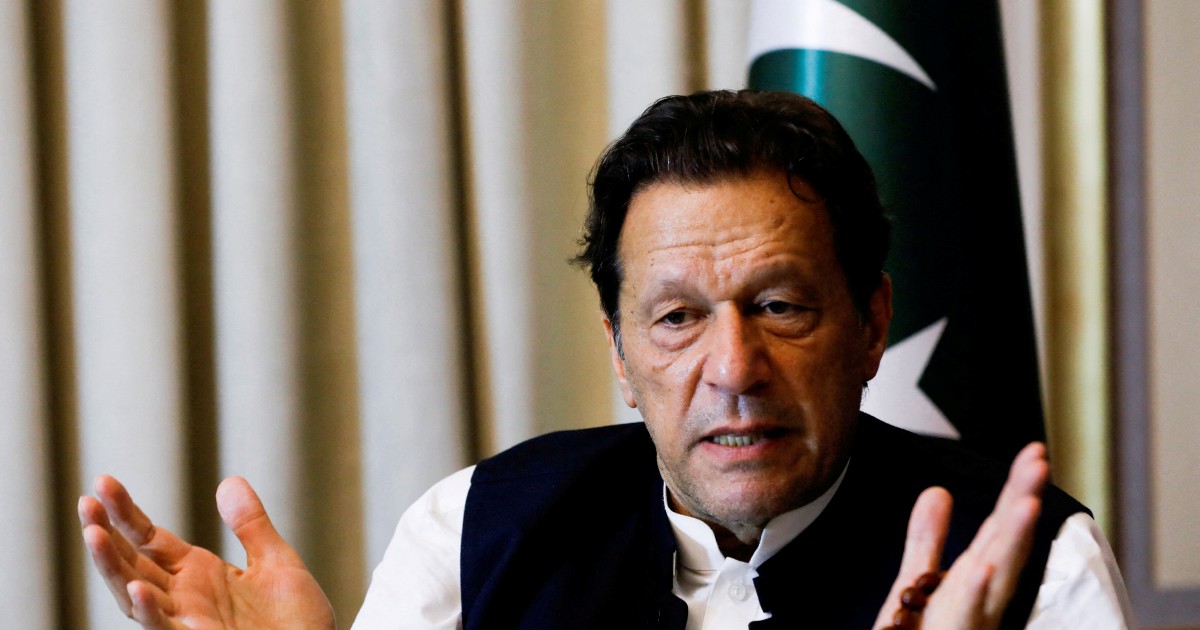
Pakistan's former prime minister Imran Khan has been returned to custody following a court-authorised medical examination at a health facility in Islamabad. The development, confirmed by senior government officials on Friday, marks another chapter in the high-profile former cricket star-turned-politician's ongoing legal battles that have defined the past year of Pakistani politics.
The return to jail came directly after Khan completed the medical assessment that had been mandated by judicial proceedings. While specifics surrounding the nature of the examination and its results remain undisclosed, the swift resumption of his detention indicates that the medical findings did not prompt any change to his custody status. This procedural step underscores the contentious legal proceedings that have engulfed Khan since his arrest.
Khan's legal troubles have escalated dramatically following his removal from office and subsequent coalition collapse in 2022. Since then, he has faced multiple charges spanning allegations of sedition, contempt of court, and violations of state secrets laws. These accusations have drawn significant international attention and sparked considerable domestic controversy, with supporters arguing that the proceedings represent political persecution while detractors maintain they address genuine legal violations.
The arrest represents a pivotal moment in Pakistan's turbulent contemporary political landscape. Khan's Pakistan Tehreek-e-Insaf (PTI) party has mounted vigorous challenges to what it characterizes as an unjust detention, while simultaneously mobilizing significant public support. Street demonstrations and political activism have become defining features of the response, drawing parallels to earlier protest movements in Pakistani history.
For observers across Southeast Asia and South Asia broadly, Khan's detention illuminates persistent tensions within Pakistan's democratic institutions. The interplay between judiciary, executive, and military power structures continues generating controversy over the nation's governance trajectory. Malaysia, as a fellow Muslim-majority democracy navigating similar institutional balances, maintains keen interest in these developments and their implications for regional political stability.
The medical examination itself reflects ongoing concerns about detention conditions and Khan's wellbeing during incarceration. Such court-ordered assessments typically arise when health concerns prompt judicial intervention, though authorities have released minimal information about specific health considerations. The procedure demonstrates that despite political sensitivities, formal legal protocols continue governing his case.
Khan's transformation from sporting legend to political firebrand has captivated Pakistani society. His rise through anti-corruption campaigns and populist messaging initially captured widespread enthusiasm, particularly among youth voters dissatisfied with traditional power structures. Yet his governance tenure proved controversial, and subsequent legal entanglements have dominated headlines and polarised public discourse in ways few political figures in the region have experienced.
The custody arrangement raises broader questions about judicial independence and political influence within Pakistan's legal system. International observers have scrutinized the proceedings, with human rights organisations expressing concern about detention practices and trial procedures. These international perspectives have added diplomatic dimensions to what might otherwise constitute purely domestic legal matters.
Backlogs within Pakistan's judicial system mean cases of this magnitude often proceed slowly through various appellate stages. Khan's legal team has presumably filed successive appeals and petitions seeking bail or case dismissal. Each procedural development—including Friday's medical examination and remand—represents potential turning points that supporters monitor intensely, hoping for judicial decisions favouring their imprisoned leader.
The broader political context involves ongoing tensions between Pakistan's military establishment and civilian elected representatives. Historically, military intervention has shaped Pakistan's political trajectory, and contemporary observers debate whether current proceedings reflect institutional independence or reflect deeper structural dynamics. Malaysia's experience with maintaining civil-military balance while sustaining democratic processes offers useful comparative perspective.
Regional governments including Malaysia follow developments in Pakistan carefully, recognising that internal instability affects broader South Asian geopolitics and consequently influences Southeast Asian security considerations. Democratic backsliding or strengthening in major regional powers carries implications for regional cooperation frameworks and development partnerships that extend across South and Southeast Asia.
Khan's case demonstrates how contemporary political disputes increasingly intersect with legal proceedings, media narratives, and international diplomatic engagement. The former premier's supporters have organised global awareness campaigns, whilst authorities maintain that prosecutions proceed according to established legal frameworks regardless of political dimensions that observers perceive. This dynamic—where political legitimacy questions merge with judicial proceedings—characterises contemporary Pakistani governance.
Moving forward, observers anticipate further court hearings that will determine Khan's near-term detention status and longer-term legal prospects. Whether subsequent medical reports, bail applications, or appellate decisions alter his circumstances remains uncertain. However, the episode underscores how Pakistan's political crisis remains actively unfolding rather than resolved.

