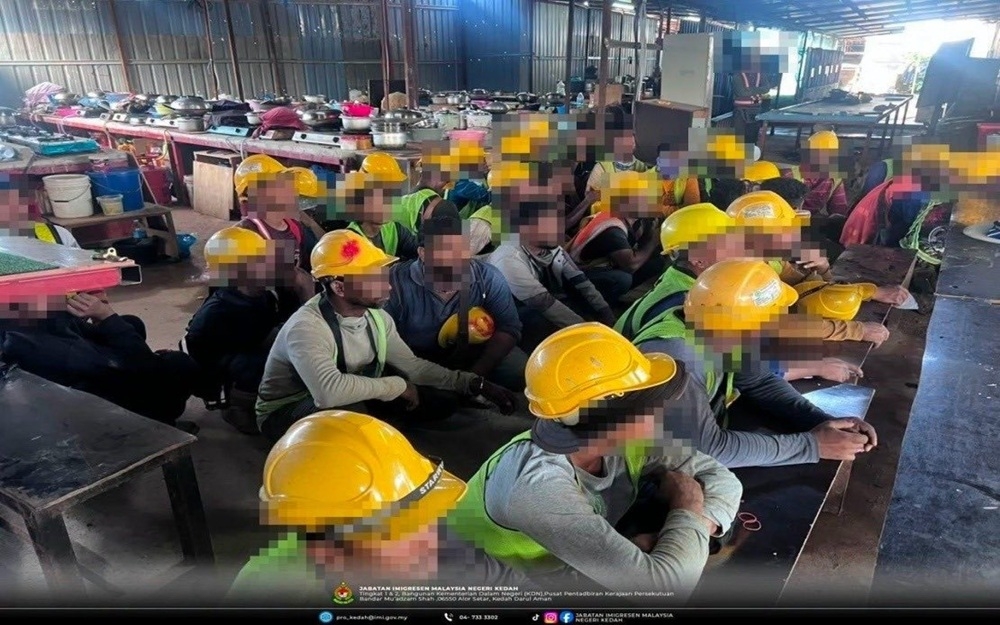
Immigration authorities in Kedah have rounded up 81 undocumented migrants during a targeted enforcement operation known as Ops Sapu at a construction site in Alor Setar, underlining the state's ongoing struggle with illegal employment within its labour-intensive sectors. The raid represents part of a broader push by regional immigration authorities to counter the persistent flow of undocumented workers into Malaysia's construction, manufacturing, and agricultural industries, where labour shortages have historically driven demand for illegal foreign workers.
The Kedah Immigration Department's operation highlights a critical enforcement challenge facing Malaysian authorities. Despite periodic crackdowns and escalating penalties for employers, construction sites remain vulnerable to exploitation by workers seeking employment without proper documentation. The scale of the Alor Setar operation suggests that illegal labour networks continue to operate with sufficient sophistication to place workers into active project sites, evading initial screening mechanisms and occupational safety oversight.
For construction companies and legitimate employers, these raids carry significant implications. Businesses operating legally face competitive disadvantages when unscrupulous competitors undercut labour costs by employing undocumented workers at suppressed wages. This creates pressure within the industry to compromise on labour standards, affecting both workforce safety and wages across the sector. The potential legal liability—fines, permit revocation, and reputational damage—remains substantial for employers found harbouring undocumented migrants.
The arrest of 81 workers in a single operation suggests that employment networks supplying illegal labour have maintained or expanded their reach despite enhanced border controls and workplace inspections. Traffickers and labour smugglers clearly continue to facilitate movement across land borders shared with neighbouring countries, exploiting visa exemptions, porous entry points, and lax employer verification processes. The persistence of this supply indicates that economic incentives on both sides remain compelling—foreign workers seeking livelihood opportunities and employers seeking cost reductions.
From a regional perspective, the Kedah operation reflects Malaysia's position as a primary destination for undocumented migrants across Southeast Asia. Neighbouring countries including Indonesia, Myanmar, Bangladesh, and the Philippines face significant economic disparities that drive outward migration, despite official restrictions. Malaysia's relatively developed economy and established migration networks make it an attractive destination, though workers often arrive through informal channels that leave them vulnerable to exploitation, trafficking, and abuse.
The enforcement action raises questions about the effectiveness of current deterrence mechanisms. While regular raids generate headlines and temporary disruptions, critics argue that meaningful reductions in illegal employment require addressing root causes: labour shortages in essential sectors, employer demand for cheap labour, and insufficient incentives for voluntary compliance with documentation requirements. Malaysia's temporary foreign worker programme, while substantial, leaves documented gaps in available labour across construction, agriculture, and domestic service sectors.
For undocumented migrants apprehended during such operations, the consequences extend beyond deportation. Workers typically face detention, loss of earned wages, and vulnerability to exploitation by smuggling networks during return journeys. Beyond immediate humanitarian concerns, the experience of detention and deportation discourages workers from reporting workplace violations, wage theft, or unsafe conditions to authorities, creating a parallel labour market operating entirely outside regulatory oversight.
The Alor Setar raid also underscores tensions within Malaysia's labour policy framework. On one hand, authorities enforce strict penalties for illegal employment and unauthorised presence. On the other, sectors like construction depend significantly on foreign labour to meet project timelines and cost targets. This contradiction limits the effectiveness of enforcement-only approaches and suggests that sustainable solutions require either substantial wage increases to attract legal workers or genuine expansion of temporary worker quotas in high-demand sectors.
State-level immigration operations like Ops Sapu serve an important enforcement function, but their impact remains primarily preventive rather than transformative. Apprehending 81 workers addresses immediate labour market distortions and demonstrates commitment to rule enforcement, yet the underlying patterns persist across construction sites throughout Kedah and neighbouring states. The apparent ease with which undocumented workers reach active worksites suggests vulnerabilities in employer verification systems and occupational safety protocols.
Looking forward, the Kedah operation illustrates why Malaysian policymakers increasingly recognise that addressing undocumented labour requires integrated approaches combining enforcement, regulatory reform, and labour market adjustments. Isolated raids, while necessary, cannot substitute for systematic changes to employer accountability, worker access to legal employment pathways, and enforcement capacity at maritime borders and internal checkpoints. The scale of operations like this one indicates that Malaysia's illegal labour challenge remains substantial and complex.

