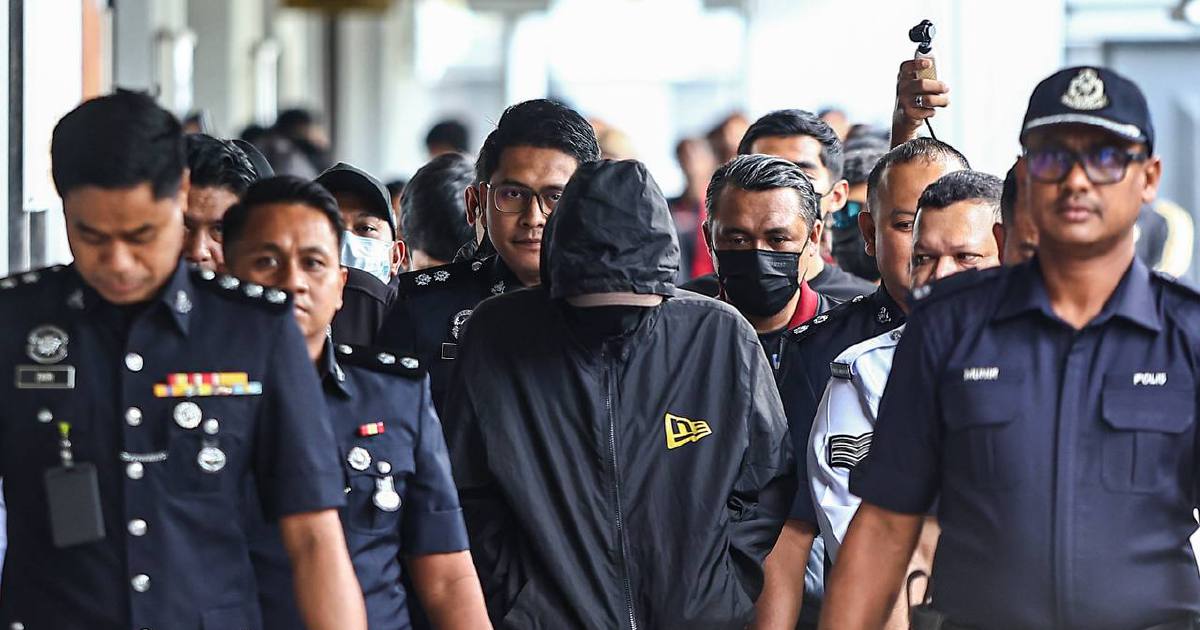
An Immigration Department lorry driver appeared before the Kuala Lumpur Magistrates' Court to answer five charges arising from a tragic collision at the Maju Junction intersection, which claimed the lives of three family members. The driver, facing three counts of causing death by reckless or dangerous driving alongside additional charges, claimed trial to all allegations during the hearing, signalling that the case will proceed to full trial proceedings rather than accepting any plea agreements at this preliminary stage.
The fatal incident at Maju Junction represents another devastating loss on Malaysian roads and has drawn scrutiny to workplace safety practices within government agencies. The involvement of an Immigration Department vehicle raises broader questions about vehicle maintenance standards, driver fatigue management, and the operational oversight of government-owned transport assets. As a significant intersection serving thousands of commuters daily, the location's history and traffic conditions are likely to form crucial elements of the investigation and subsequent legal proceedings.
The circumstances leading to the crash remain under investigation, though the charges filed indicate authorities determined that the collision resulted from culpable negligence rather than accident or mechanical failure alone. Multiple counts against the driver suggest the prosecution intends to establish a pattern or severity of reckless conduct that extends beyond a simple moment of inattention. The outcome of this case will carry considerable weight in judicial interpretation of dangerous driving offences and may influence how similar incidents are prosecuted across Malaysian courts.
Fatalities involving government-owned vehicles inevitably prompt internal reviews within the responsible departments. The Immigration Department, like other agencies managing large transport fleets, must examine whether existing protocols for driver rest periods, vehicle inspection cycles, and fitness-to-drive assessments require strengthening. Public sector accountability becomes particularly acute when official vehicles are involved in tragedies, as it directly affects public confidence in government administration and operational competence.
The loss of three family members in a single incident represents an extreme human tragedy with prolonged grief and legal ramifications for surviving relatives. Such cases typically prompt civil suits alongside criminal prosecution, potentially including claims for negligence against the government agency itself. The families affected will face both the immediate trauma of bereavement and the extended ordeal of legal proceedings that may span months or years before resolution.
Traffic safety at major urban intersections remains a persistent challenge across Malaysia and the broader Southeast Asian region. Maju Junction, as a busy convergence point, demands careful analysis of contributing factors including traffic signal timing, visibility conditions, road geometry, and vehicular speeds at the time of collision. Post-incident engineering assessments are standard practice and may influence whether infrastructure modifications are recommended to prevent similar accidents.
The case highlights the distinction between criminal culpability and systemic issues within transportation systems. While individual accountability for driver conduct is essential, improving road safety also requires examination of organisational factors including supervision, training protocols, and whether working conditions contributed to impaired driving ability. The distinction matters considerably for passengers, commuters, and public policy discussions surrounding transport regulation.
Other Southeast Asian nations have pursued similar prosecutions for fatal traffic incidents, often resulting in custodial sentences ranging from several years to a decade or more, depending on sentencing guidelines and mitigating circumstances. Malaysian courts have demonstrated varying approaches to dangerous driving cases, with outcomes depending heavily on perceived culpability levels, victim impact assessments, and any aggravating or mitigating factors presented during trial. The driver's employment status may feature in sentencing considerations, though this typically cannot reduce criminal liability itself.
As the trial unfolds, specific evidence regarding the lorry's mechanical condition, the driver's recent work history, potential visibility factors, and witness testimonies will determine whether charges are sustained or modified. The prosecution must establish each element of the offence beyond reasonable doubt, requiring detailed reconstruction of the incident's sequence and causation. Defence arguments may address mechanical malfunction, environmental factors, or other vehicles' conduct as contributing elements.
The institutional implications for the Immigration Department extend beyond this single case. Government agencies managing transport operations nationwide will observe this prosecution's progression and potential outcomes, likely prompting review of their respective fleet management practices. Enhanced training, vehicle monitoring systems, and stricter compliance frameworks may emerge as preventive measures across the public sector, reflecting broader commitments to road safety and operational excellence.
This case arrives amid ongoing international dialogue about reducing traffic fatalities through stricter enforcement, improved infrastructure, and cultural shifts toward safer driving practices. Malaysia, like other nations, has launched periodic safety campaigns and regulatory initiatives, yet serious collisions persist. The courtroom proceedings will contribute valuable precedent regarding how the justice system addresses culpability when government employees' professional conduct results in death, potentially influencing prosecutorial decisions and sentencing frameworks for comparable cases.

