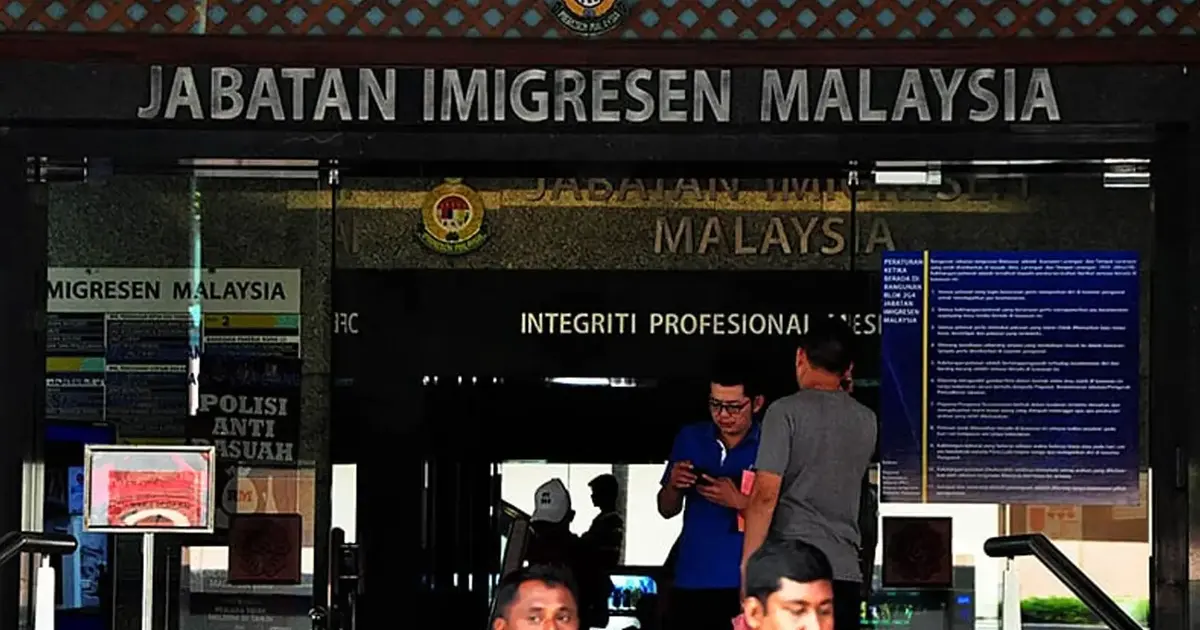
Eleven officers from Malaysia's immigration department have been arrested on suspicion of orchestrating a coordinated breach of the MyIMMs system, the country's primary digital gateway for immigration services. The alleged conspiracy involved systematic unauthorised access to enable fraudulent applications and accelerated approvals for PLKS work permits, according to authorities investigating the breach. The immigration director-general has now revealed that investigators pinpointed those implicated in the scheme from the investigation's earliest stages, suggesting the scope of the conspiracy became apparent relatively quickly once authorities began examining the suspicious activities within the system.
The MyIMMs platform represents a critical infrastructure component within Malaysia's immigration architecture, processing vast numbers of visa applications, work permits, and status updates daily. The breach highlights vulnerabilities in how access controls and audit mechanisms function within systems handling sensitive immigration data and decision-making processes. For Malaysia's reputation as a stable operating environment for foreign workers and investors, such breaches carry significant implications, as they undermine confidence in the integrity of official approval mechanisms. The system's compromised state would have allowed fraudsters and corrupt officials to circumvent standard vetting procedures that normally verify applicant qualifications, employer credentials, and compliance with domestic labour market regulations.
The PLKS category, which encompasses temporary worker permits across various skill levels and sectors, represents one of Malaysia's most widely utilised visa classifications. The ability to unauthorisedly approve applications outside normal channels creates multiple vulnerabilities. Unvetted workers entering Malaysia could pose labour market distortions, undercutting legal wage standards and displacing eligible Malaysian citizens from available positions. Additionally, the scheme would have generated revenue streams for corrupt officials, as applicants desperate to bypass lengthy legitimate procedures would likely pay substantial premiums to circumvent standard processing. The scale of this particular breach—involving eleven implicated officers—suggests the problem extended beyond isolated individual misconduct to represent an organised enterprise within the immigration apparatus.
The swift identification of suspects indicates either that the digital breach left clear traces, such as audit logs tracking unusual access patterns and approval anomalies, or that informants within the immigration service provided critical intelligence. Either pathway raises questions about monitoring mechanisms. If breaches were detected through technical systems, this demonstrates that adequate digital safeguards exist but were insufficient to prevent the unauthorised access occurring in the first place. Conversely, if informants proved decisive, this raises concerns about workplace culture and supervision within the department, suggesting that suspicious activity proceeded long enough that staff members felt compelled to report it.
The timing of arrests and disclosures remains significant for understanding how extended this particular conspiracy operated. Immigration services in Malaysia process hundreds of thousands of applications annually, meaning a coordinated group exploiting system access could have facilitated approval of thousands of fraudulent applications before detection. Each unauthorised approval represents not merely administrative malfeasance but a breakdown in Malaysia's ability to control labour market entry and maintain the integrity of its regulatory framework. Foreign workers entering through compromised channels escape standard background checks and credential verification, creating undefined liability for receiving employers and the state.
The director-general's assertion that implicated officers were identified from the investigation's outset carries organisational implications. It suggests the investigation was sufficiently well-resourced and competently executed to rapidly narrow focus onto specific individuals rather than requiring protracted inquiry to identify suspects. However, it also implies that once suspicious patterns emerged—whether through system logs or whistleblower reports—investigators possessed sufficient institutional autonomy to pursue colleagues without political obstruction. In contexts where corruption investigations sometimes stall due to political considerations or departmental protectionism, the apparent momentum here deserves acknowledgment.
For Malaysia's workforce regulatory framework, such breaches represent fundamental threats to orderly labour market management. The country hosts millions of foreign workers across construction, manufacturing, domestic service, and technology sectors. Unauthorised approvals undermine employers who navigate legitimate channels, create unfair competitive advantages for firms willing to utilise corrupt pathways, and potentially flood markets with unvetted workers lacking requisite skills or background clearances. Additionally, workers approved through fraudulent means lose access to standard protections and dispute resolution mechanisms typically embedded within legitimate visa frameworks.
The incident reflects broader challenges facing digitalised immigration systems across Southeast Asia. As agencies transition from paper-based to digital processing, they must simultaneously develop sophisticated audit and access control architectures capable of detecting unusual activity patterns. However, technological solutions alone prove insufficient without complementary measures: robust staff vetting, regular rotation of officers handling sensitive functions, whistleblower protection and incentive mechanisms, and institutional cultures that prioritise compliance over convenience. The MyIMMs breach demonstrates that even systems incorporating access controls and audit capabilities remain vulnerable when staff with legitimate system access deliberately abuse their authorisation.
The consequences for Malaysia's immigration reputation warrant consideration. Regional competitors and prospective foreign investors assess countries partly through the reliability and integrity of their administrative systems. Publicised breaches and corruption cases create perceptions of systemic unreliability, potentially influencing hiring and investment decisions. Conversely, visible investigation, prosecution, and punishment of those responsible can partially restore confidence by demonstrating institutional accountability. The government's apparent willingness to pursue officers regardless of rank or seniority sends signals about commitment to system integrity.
Moving forward, Malaysian immigration authorities face implementation challenges in preventing recurrence. Technical improvements might include enhanced multi-factor authentication, more granular role-based access controls preventing any individual from single-handedly approving applications, and real-time anomaly detection flagging unusual approval patterns. Organisational measures could encompass mandatory rotation of officers handling sensitive functions, competitive compensation reducing financial incentives for corruption, and periodic integrity testing through mock applications designed to detect susceptibility to bribery.
The arrest of eleven officers represents merely the investigative phase. Subsequent prosecution, conviction, and sentencing will demonstrate whether Malaysia's justice system treats immigration corruption with appropriate gravity. Penalties sufficiently severe to deter future misconduct require balancing considerations of individual culpability against the systemic nature of conspiracies involving multiple participants. The broader institutional implications will emerge as authorities implement corrective measures designed to prevent similar schemes from exploiting vulnerabilities in future system iterations and procedural frameworks.

