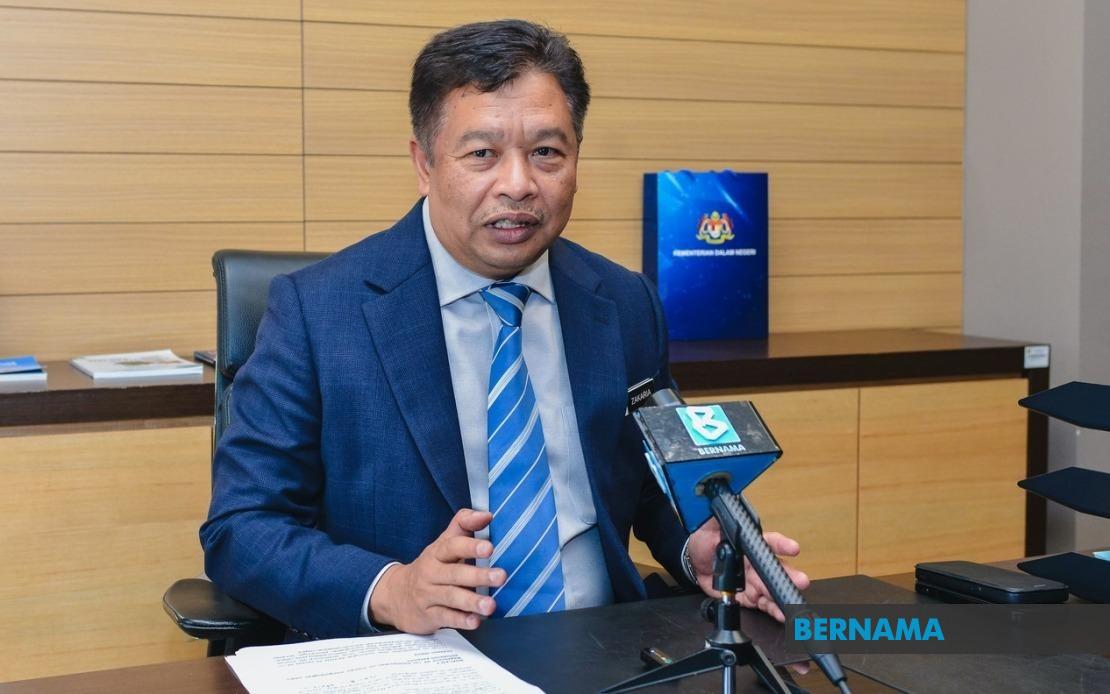
With the Johor state election approaching, the Immigration Department has elevated its operational readiness to handle one of the region's most critical logistical challenges: facilitating the return of Malaysian voters working across the border in Singapore. The department's director-general, Datuk Zakaria Shaaban, confirmed on July 6 that inspection systems at key entry points are operating normally and that round-the-clock monitoring will remain in place through polling day on Saturday, July 11.
The two principal gateways connecting Johor with Singapore—Sultan Abu Bakar Complex at Tanjung Kupang via the Malaysia-Singapore Second Link and Sultan Iskandar Building at JB Sentral connecting to Woodlands—face extraordinary demands during the election period. These facilities typically process up to 300,000 people daily under normal circumstances, making them among the world's busiest international borders. During an election when Malaysians working in Singapore seek to return and cast their votes, this volume could spike considerably, placing immense strain on infrastructure and personnel.
Zakaria emphasized that the Immigration Department's current operational framework relies on proven existing systems rather than introducing new technology that might introduce unforeseen complications. This conservative approach reflects lessons learned from past experiences where system upgrades during critical periods created bottlenecks. The director-general stated that technical teams would continue their constant surveillance of system performance, with standing orders to identify and address any disruptions immediately. Should the primary digital infrastructure encounter problems, the department has activated manual inspection procedures as a fail-safe mechanism to ensure that border processing continues uninterrupted.
The coordination between immigration authorities and the Home Ministry underscores the political importance of accommodating cross-border voters. Home Minister Datuk Seri Saifuddin Nasution Ismail previously assured that comprehensive mitigation strategies have been developed to handle various contingency scenarios. These preparations demonstrate official recognition that preventing eligible voters from returning to cast ballots could undermine the electoral process's legitimacy and voter turnout figures. For many Johor residents employed in Singapore's financial services, petrochemical, and manufacturing sectors, the journey home to vote represents both a civic duty and a logistical undertaking.
The election itself has drawn substantial competition, with 172 candidates contesting across 56 state assembly seats. Early voting commenced on July 7, providing an alternative option for voters unable to return on the main polling day. However, the majority of cross-border commuters are expected to return specifically on July 11, creating a predictable surge that immigration planners have factored into their deployment strategies. The concentration of voter movement on a single day amplifies the criticality of seamless border operations.
For Malaysian readers, particularly those in Johor or those working in Singapore, the Immigration Department's proactive stance carries direct practical implications. Delays or system failures at border checkpoints could prevent people from voting, effectively disenfranchising a segment of the electorate. The department's emphasis on technical preparedness and manual backup procedures suggests awareness of this risk. The commitment to 24-hour system monitoring reflects an understanding that technical problems often emerge during peak-usage periods when systems are stressed to their limits.
The Malaysia-Singapore border crossings represent a unique intersection of sovereignty, commerce, and democratic participation. Hundreds of thousands of people rely on these entry points for their livelihoods, and during elections, these same routes become instrumental in sustaining democratic processes. The Immigration Department's role extends beyond standard border security into election facilitation, requiring a delicate balance between maintaining immigration protocols and enabling timely voter participation. This dual mandate has necessitated the elevated preparedness that officials have now confirmed.
From a regional perspective, the Johor election reflects broader Southeast Asian patterns where cross-border employment creates complex electoral dynamics. Singapore hosts a significant Malaysian workforce, many of whom maintain voting rights and electoral interests in their home state. Other regional countries face similar challenges with diaspora voters, making Malaysia's approach to accommodating cross-border participation noteworthy. The coordination between immigration and electoral authorities demonstrates institutional maturity in addressing these modern complications.
The specific focus on Sultan Abu Bakar Complex and Sultan Iskandar Building reflects their designation as primary immigration processing facilities for this purpose. While Malaysia-Singapore connections include additional smaller checkpoints, these two complexes handle the vast majority of pedestrian and vehicular traffic, particularly the commercial and commuter flows that characterize daily cross-border movement. Their criticality to the election process has accordingly elevated their status as priority monitoring zones.
Looking forward, the performance of immigration operations during this election period will likely set precedents for handling future high-volume voter return scenarios. Successfully processing potentially surging numbers without delays would validate the department's current infrastructure and procedural frameworks. Conversely, any significant disruptions would trigger reviews and potentially lead to infrastructure investments or procedural modifications before subsequent state or federal elections. The stakes extend beyond this single election to broader questions about the adequacy of border infrastructure for Malaysia's evolving demographic and employment patterns.
The Home Ministry's public assurance and the Immigration Department's operational transparency suggest confidence in current preparedness levels. However, election day performance will ultimately determine whether these preparations prove adequate. For voters working in Singapore, the immigration authorities' stated commitment to uninterrupted border processing provides essential reassurance that their return journeys will proceed smoothly, enabling them to fulfill their electoral responsibilities without undue hardship or frustration during what remains a critical political moment for Johor state governance.

