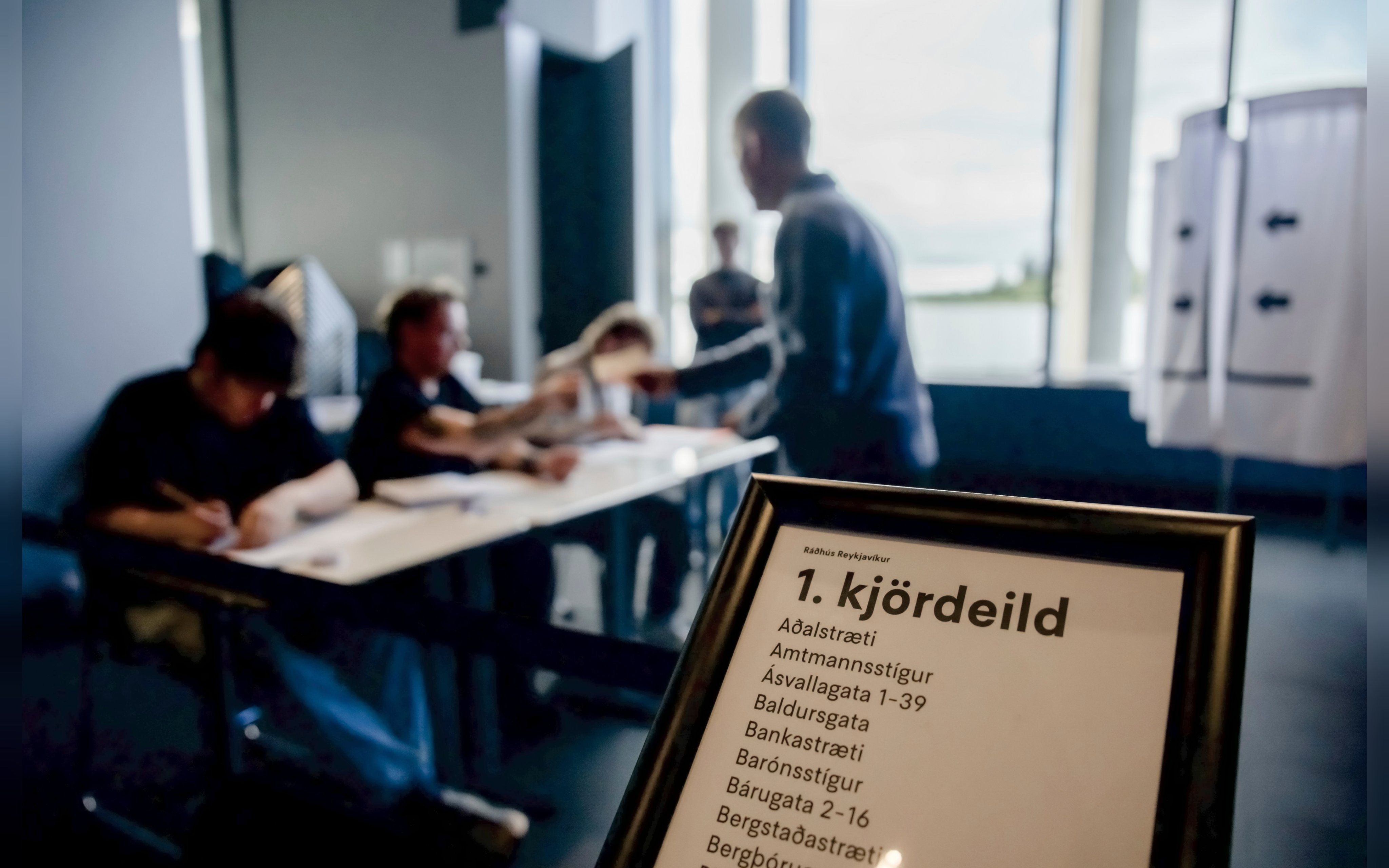
Iceland has closed the door on rejoining the European Union, at least for now, after voters narrowly rejected a bid to restart membership negotiations in a closely fought referendum held over the weekend. Final tallies showed 52.8 per cent of Icelanders voting against resuming talks with Brussels, while 47.2 per cent supported the move, reflecting deep ambivalence within the Nordic nation about the benefits and costs of EU integration.
The referendum represents a significant setback for Iceland's centre-left Social Democratic government, which had made EU membership a cornerstone policy after winning power in the 2024 general election. Prime Minister Katrin Jakobsdóttir's administration had specifically pledged during its campaign to put the question of EU accession back before voters through a popular ballot. The decision to hold a referendum reflected the contentious nature of EU membership in Icelandic politics, where public opinion has remained deeply divided for more than a decade.
Geopolitical tensions, particularly Russia's invasion of Ukraine and broader security concerns affecting the Nordic region, had revived dormant discussions about Iceland's relationship with Europe. Proponents of rejoining the EU negotiating process argued that membership would strengthen the island nation's security links with Western institutions and provide greater economic integration with its largest trading partners. The government had framed EU entry as a response to an increasingly unstable international environment and the need for Iceland to align more closely with European policy frameworks.
Iceland's relationship with the EU has been fraught with complications since the 2009 financial crisis forced the nation to seek emergency assistance. That global downturn prompted Iceland to lodge its formal membership application in 2009, breaking with decades of Eurosceptic tradition. However, as the economy recovered, enthusiasm waned. A eurosceptic government that took office in 2013 promptly suspended accession negotiations, and the application has languished ever since, occasionally resurfacing but never capturing sufficient political momentum to proceed.
The fishing industry emerges as the central issue driving opposition to EU membership among Icelanders. The sector represents far more than an economic activity in Iceland—it constitutes a fundamental element of national identity and self-determination. Opponents of EU entry have consistently argued that joining would require Iceland to surrender control over its maritime resources and fishing quotas to EU regulatory bodies, a prospect that generates visceral resistance across Icelandic society. The Common Fisheries Policy, which governs how EU member states manage fish stocks and allocate fishing rights, is viewed by many Icelanders as fundamentally incompatible with their nation's economic interests and independent resource management.
Beyond fishing, the sovereignty argument resonates powerfully in Iceland's political discourse. Voters sceptical of EU membership contend that integration would inevitably erode Icelandic autonomy in domestic affairs, requiring the nation to cede decision-making authority to distant Brussels bureaucracies on matters ranging from environmental policy to labour standards. This concern reflects Iceland's long historical experience as a small nation previously under Danish rule, making contemporary questions about surrendering sovereignty to larger power structures particularly sensitive in public debate.
The narrow margin of the referendum result—a mere 5.6 percentage point difference—reveals a nation genuinely torn between competing visions of its future. The near-even split indicates that roughly half of Iceland's electorate recognises potential advantages in closer European integration, while the other half remains convinced that the costs outweigh the benefits. This close division suggests that the EU membership question will likely resurface in Icelandic politics, particularly if international security conditions deteriorate further or if economic circumstances shift.
For regional observers, Iceland's rejection carries implications extending beyond Nordic politics. The result demonstrates that even among wealthy, stable democracies with strong institutional links to Europe, enthusiasm for EU membership cannot be assumed. Iceland participates in the European Economic Area and the Schengen travel zone but maintains strategic distance from full EU integration, a status the referendum result now seems likely to preserve for the foreseeable future.
The outcome also reflects broader patterns visible across Europe, where citizens increasingly question whether EU membership serves their particular interests. Unlike nations pursuing membership primarily for economic or security reasons, Iceland has already achieved prosperity and maintains robust security relationships through NATO membership and partnerships with Nordic neighbours. This positioning weakens the traditional arguments in favour of EU entry, leaving proponents to rely largely on geopolitical calculations that may not yet feel sufficiently urgent to overcome entrenched scepticism.
Looking ahead, the referendum result constrains the Social Democratic government's ability to advance EU integration during its current term. While the party remains committed to the European project in principle, the clear rejection from voters provides little mandate for reviving accession negotiations in the near term. Any future government contemplating renewed EU engagement would likely need to wait for substantially altered circumstances—either dramatic security developments or significant shifts in Icelandic public opinion—before mustering political support for another attempt.
The fishing question will likely remain central to any future debate. Unless EU negotiators agree to terms that would allow Iceland exceptional flexibility in managing its maritime resources—an outcome Brussels has never previously granted—the core objection to membership will persist. This structural incompatibility between Iceland's resource management priorities and standard EU fisheries frameworks suggests that the path to membership, should one eventually materialise, would require unprecedented compromise from either side.

