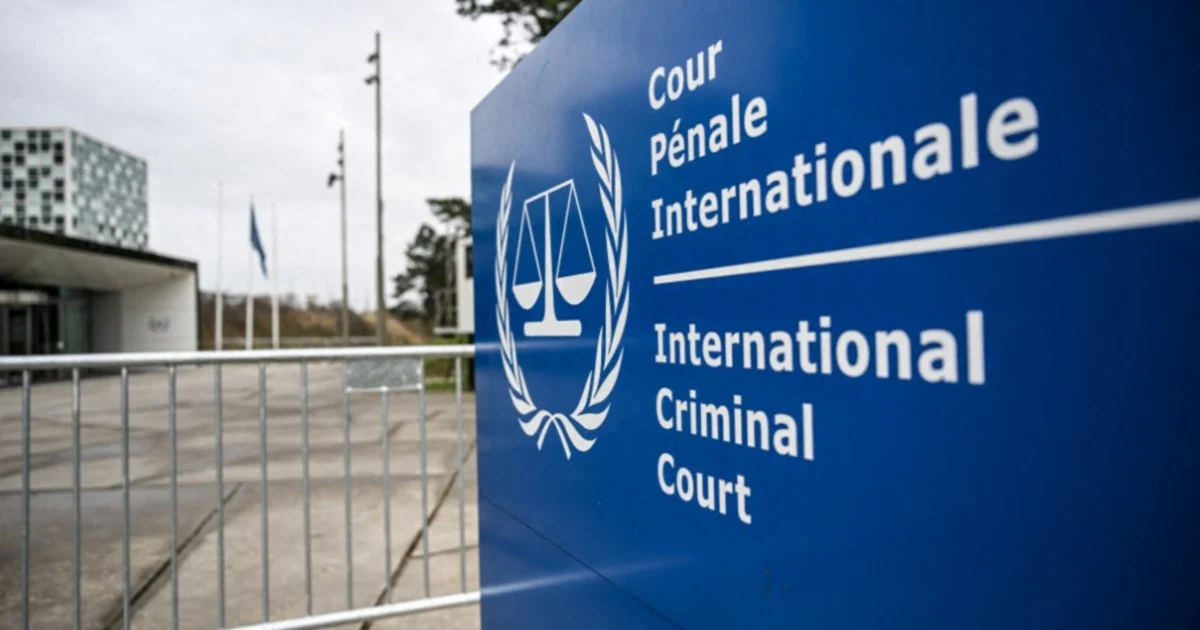
Three judges from the International Criminal Court have taken the extraordinary step of filing a lawsuit in US courts against President Donald Trump and other high-ranking American officials, disputing the legality of sanctions placed upon them. The legal action, filed Wednesday, represents an escalation in tensions between the Trump administration and the Netherlands-based tribunal that has faced criticism from Washington for its international criminal investigations.
The judges' decision to pursue litigation in the American court system underscores the unusual intersection of international justice and domestic politics now playing out across the Atlantic. Rather than accept the sanctions, which effectively freeze US-based assets and restrict their movement, the three justices have chosen to challenge the measures head-on, arguing they lack proper legal foundation. This confrontational approach marks a significant departure from the ICC's traditional stance of attempting to maintain diplomatic relationships with major powers.
The sanctions against the ICC officials were originally imposed after the tribunal's chief prosecutor launched investigations into alleged war crimes by Israeli forces and American personnel. The Trump administration characterised the investigation into potential American conduct as unwarranted and overreaching, leading to what the judges now describe as "draconian" measures designed to punish the court for its independence. The characterisation highlights deep philosophical disagreements about the ICC's mandate and proper scope of authority.
For Southeast Asian readers, this dispute carries broader implications about the future architecture of international justice and accountability mechanisms. The ICC's legitimacy as an impartial arbiter depends partly on its ability to operate without coercion from powerful nations. When major countries like the United States impose targeted sanctions on judges rather than engage through diplomatic channels, it sets concerning precedent for how international institutions will be treated by governments unhappy with their decisions. Nations in the region that have signed ICC protocols, or might consider doing so, must now evaluate whether the court can truly function independently.
The lawsuit represents a calculated gamble for the three judges. By bringing their case before American courts, they are appealing to the US legal system's tradition of rule-based governance and due process protections. However, they are simultaneously placing themselves more visibly under American jurisdiction, which could invite further administrative action. The strategy suggests confidence that American judicial independence will prevail over executive pressure, a confidence that reflects historical patterns but cannot be guaranteed in the current political climate.
The Trump administration had justified the sanctions as a defensive measure against what it characterised as judicial overreach. American officials argued that the ICC, an institution whose jurisdiction has been rejected by the United States itself, should not have the authority to investigate American citizens without proper oversight or accountability mechanisms. This position reflects a longstanding American skepticism toward international courts that might constrain US foreign policy autonomy. However, the judges' lawsuit challenges this reasoning by arguing the sanctions themselves violate American legal principles regarding due process and proportionality.
The outcome of this litigation could reshape how international judges interact with the US legal system. If the judges prevail, it might establish that even sanctions imposed by presidential authority can be challenged through domestic courts when they target individuals based on their official duties. Conversely, if the courts side with the Trump administration, it could embolden other governments to take similar punitive measures against ICC officials, potentially undermining the institution's global standing. The precedent being set extends beyond these three individuals to affect how international accountability mechanisms will function under pressure from major powers.
The ICC itself has been navigating treacherous political waters for years, facing criticism from countries across the political spectrum. African nations have complained about disproportionate focus on African cases, while Western powers worry about investigations into their own conduct. The sanctions against these judges represent the most direct confrontation yet between the tribunal and a permanent member of the United Nations Security Council. How American courts handle this case will signal whether the international justice system can maintain independence when tested by economic and political pressure.
For Malaysia and other ASEAN members, the case raises questions about institutional stability in a multipolar world. As these nations pursue their own development interests and occasionally find themselves in international disputes, the strength and independence of international legal mechanisms become increasingly important. If major powers can systematically undermine institutions they dislike through sanctions and other coercive measures, it suggests a future where international rules apply selectively based on political leverage rather than universal principles. This uncertainty affects how countries should position themselves in relation to international courts and agreements.
The judges' decision to pursue this lawsuit also reflects changing attitudes within the ICC itself about defending its institutional prerogatives. For years, the court operated on the assumption that it could maintain legitimacy through careful diplomacy and deference to powerful states. This lawsuit signals a potential shift toward more assertive institutional defense. Whether this approach succeeds or fails will likely influence how international institutions respond to pressure from powerful nations in future disputes, setting patterns that extend far beyond the ICC itself.

