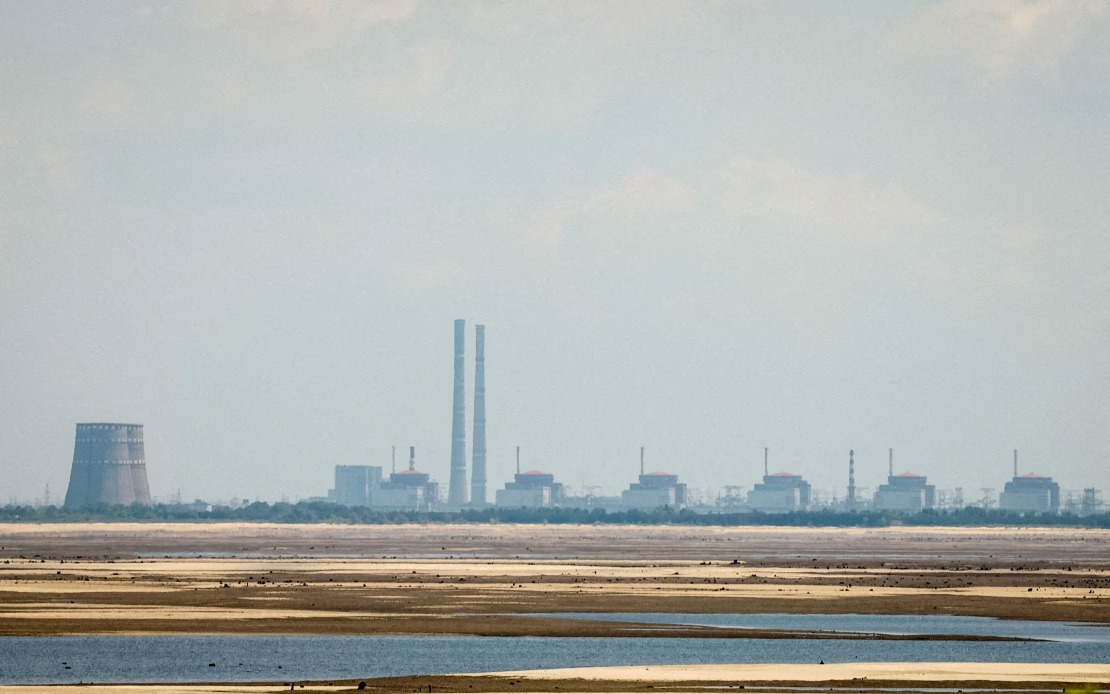
The International Atomic Energy Agency (IAEA) has expressed deepening concerns about nuclear safety at the Zaporizhzhia Nuclear Power Plant (ZNPP) after the facility experienced yet another loss of external electrical supply, marking the 21st such incident since Russia's invasion of Ukraine. The outage on Friday underscores the precarious operational conditions faced by one of Europe's largest nuclear complexes and raises fresh questions about the stability of its safety systems in an active conflict zone.
The latest power disruption occurred when the plant lost connection to the 330 kV Ferosplavna-1 transmission line, a critical infrastructure element linking the ZNPP to the wider electrical grid. According to the IAEA team stationed on-site to monitor operations, military activity in the region triggered automatic electrical protection systems along the transmission lines serving the facility. The mechanism, designed to safeguard equipment from damage during hostile operations, demonstrates how the nuclear plant's vulnerability extends beyond its own boundaries to encompass the surrounding energy infrastructure increasingly affected by the ongoing conflict.
When external power supplies fail at nuclear facilities, backup systems must activate within seconds to prevent cooling system failures that could lead to catastrophic consequences. At Zaporizhzhia, emergency diesel generators automatically engaged to supply electricity to the reactor cooling systems and other vital safety equipment, preventing an immediate crisis. However, the IAEA's repeated documentation of such incidents reveals a troubling pattern: the plant cannot rely on stable off-site power, forcing it to depend on backup systems that, while currently functional, represent a last line of defence rather than routine redundancy.
IAEA Director General Rafael Grossi emphasised the gravity of the situation, stating that the recurrent power losses demonstrate the "extreme fragility" of nuclear safety at the plant. His statement carries weight given the agency's mandate to promote safe and peaceful nuclear energy worldwide and its role as an impartial technical advisor on nuclear matters. Grossi's explicit call for "maximum military restraint" signals that the agency views the risk of nuclear accident as directly linked to conflict intensity around the facility, a stark acknowledgement that military operations and nuclear safety are now dangerously intertwined.
The Zaporizhzhia plant's predicament reflects a broader vulnerability affecting critical infrastructure in conflict zones. Since Russia seized the facility in March 2022, power supply disruptions have become chronic rather than exceptional. The repeated reliance on diesel generators, while effective in the short term, raises concerns about fuel availability, maintenance capacity, and the sheer cumulative strain on backup systems designed for occasional use rather than sustained operation. Each activation increases mechanical wear and reduces the operational lifespan of equipment that may not be easily replaceable in the current circumstances.
For Southeast Asian observers and policymakers, the Zaporizhzhia crisis offers sobering lessons about nuclear safety infrastructure in regions facing geopolitical instability. Malaysia and neighbouring countries pursuing nuclear energy development must consider how their facilities could withstand external disruptions to power grids caused by conflict or other systemic failures. The incident demonstrates that nuclear safety cannot be separated from broader national security and infrastructure resilience planning, issues of particular relevance as nations in the region diversify their energy portfolios.
The situation also underscores the limitations of international oversight mechanisms when military conflict directly threatens nuclear facilities. While the IAEA's presence at Zaporizhzhia provides valuable monitoring and data collection, it cannot prevent the underlying military circumstances that trigger power losses. The agency's warnings, though increasingly urgent, depend on belligerents respecting nuclear safety—a dependency that proves inadequate when military objectives take precedence in conflict zones.
The 21 power outages recorded since the crisis escalated represent a measurable escalation in risk exposure. Each incident, regardless of whether it triggers actual equipment damage or injury, tests the resilience of systems and personnel stretched thin by continuous emergency management. The psychological and operational toll on plant staff, working under the constant threat of military action while managing nuclear systems, remains an underestimated factor in assessing overall nuclear safety at the facility.
The broader energy context adds another layer to the crisis. Ukraine's electrical grid has been severely damaged by sustained Russian strikes on power infrastructure, meaning the Zaporizhzhia plant's connection to the wider system remains fundamentally compromised. Even when direct military activity does not trigger protection systems, the grid's overall fragility means power supply remains unstable. This systemic vulnerability suggests that restoring normal operations requires not merely security guarantees at the plant itself but reconstruction of Ukraine's entire power infrastructure.
International pressure on both Russia and Ukraine to establish demilitarized zones around nuclear facilities has yielded limited tangible results, illustrating the difficulty of imposing constraints during active warfare. The IAEA's warnings, while technically accurate and concerning, have not translated into concrete operational improvements or military de-escalation measures that would genuinely reduce risk. This gap between international alarm and on-ground reality will likely persist unless the broader conflict moves toward resolution.
Looking forward, the sustainability of current safety arrangements at Zaporizhzhia remains fundamentally uncertain. Diesel generators cannot run indefinitely without external fuel supplies, staff fatigue will eventually affect operational decisions, and the cumulative stress on backup systems inches toward failure thresholds. The IAEA continues documenting incidents and issuing warnings, but without military restraint or conflict resolution, these interventions represent damage mitigation rather than genuine crisis prevention. The plant's ongoing operation under these circumstances represents a calculated acceptance of substantial nuclear risk—a precedent that international nuclear governance must urgently address through renewed conflict resolution efforts rather than technical adjustments alone.

