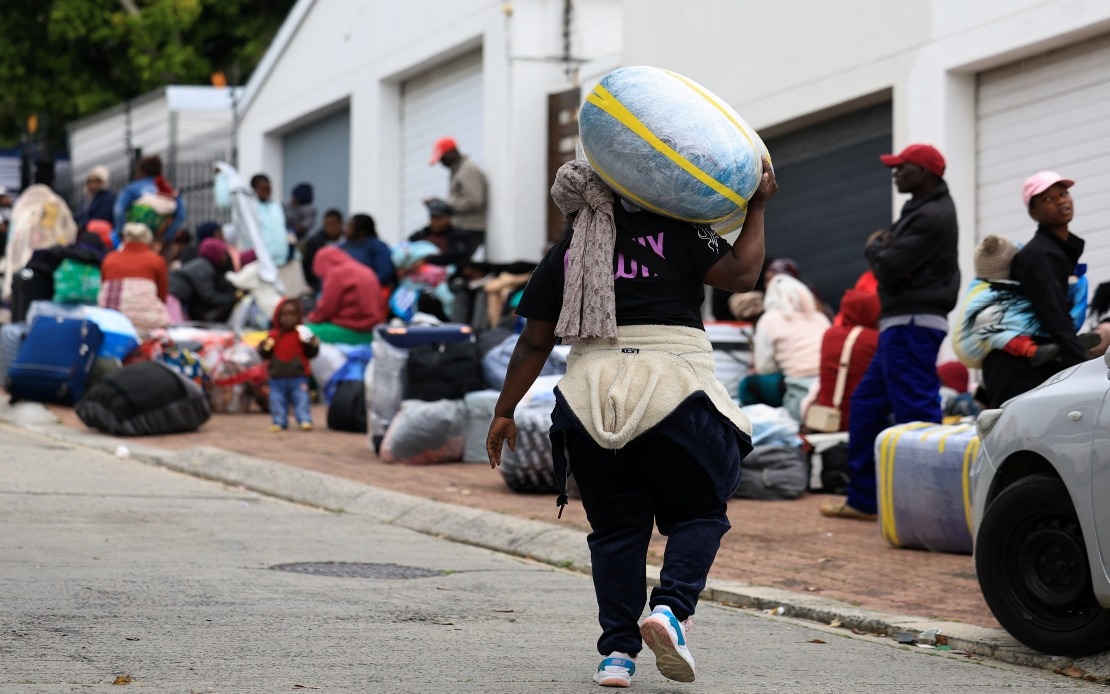
South African authorities initiated a large-scale transfer operation on Saturday, moving hundreds of Zimbabwean nationals and some Malawians out of a temporary processing facility in Cape Town to a central repatriation hub in Musina, a town in Limpopo Province. The relocation follows mounting pressure from anti-immigrant movements that have created a climate of fear among undocumented foreign nationals in the Western Cape region, compelling authorities to consolidate processing operations away from the volatile urban centre.
The Epping processing centre, which had served as a temporary shelter for arrivals seeking assistance to return home, has begun operating scheduled bus transfers northward to Musina, where accumulated caseloads of foreign nationals from across South Africa are currently being processed for repatriation. Government officials have simultaneously advised any remaining applicants to avoid the Cape Town facility altogether and instead travel directly to the Musina site, effectively closing the Cape Town operation as a reception point.
The decision to centralise operations reflects broader challenges facing South Africa's handling of undocumented migration during a period of heightened social tensions. Humanitarian organisations working at the Epping centre have documented poor conditions, with aid workers reporting cases of diarrhoea and flu-like illnesses emerging among the confined population. Food distribution, basic shelter provision, and sanitation facilities have been maintained by non-governmental organisations, yet the infrastructure remains inadequate for the volume of people cycling through the system.
The backlog continues to grow as new arrivals persist despite official closure signals. On Saturday alone, approximately 400 additional people arrived overnight at the facility only to be turned away as preparations for shutdown accelerated. These rejected applicants have been forced to wait in nearby areas without immediate access to formal processing channels, creating secondary concentrations of vulnerable individuals on the Cape Town periphery. The situation underscores the complexity of managing migration pressures when formal pathways become overloaded.
Zimbabwean national Yekuai Mokoena, sheltering at the centre with two young children after spending multiple nights exposed to the elements outside the Zimbabwean diplomatic mission, offered a stark assessment of conditions. Having endured both street exposure and crowded processing facilities, her terse characterisation—"The situation is bad"—captured the lived experience of thousands navigating bureaucratic procedures amid genuine safety concerns. Her testimony reflects the real vulnerability facing migrant families caught between deteriorating conditions in their countries of origin and hostile reception environments in their chosen destination.
The impetus for the relocation programme originated from sustained anti-immigrant activism that culminated in an informal but widely publicised June 30 deadline for undocumented foreigners to vacate South Africa. This self-imposed ultimatum, promoted by xenophobic groups throughout the country, generated sufficient intimidation that roughly 3,000 people sought refuge at the Epping facility and surrounding diplomatic spaces during the fortnight preceding the official transfer operation. The mass concentration outside the Zimbabwean consulate represented a dramatic escalation in visible migration pressure and reflected genuine fear of street-level violence among foreign residents.
The Cape Town context matters considerably for understanding South African migration management challenges. The Western Cape, while economically dynamic and a primary destination for economic migrants, has become a focal point for anti-immigrant sentiment that occasionally boils over into coordinated action. The movement of processing operations away from the city may temporarily reduce visible migrant populations but does not address underlying social tensions or the structural factors driving both immigration and xenophobic reactions. Musina, by contrast, has become the de facto national hub for migration processing, concentrating resources and personnel in a single inland location.
For Malaysian observers, the South African scenario offers cautionary lessons about managing migration pressures within regional frameworks. While Malaysia faces distinct demographic and economic circumstances compared to South Africa, the xenophobic mobilisation witnessed in Cape Town reflects broader patterns of anti-immigrant politics emerging in destination countries throughout the developing world. The visibility of foreign populations, combined with economic anxiety during periods of slower growth, has consistently generated political movements exploiting migration as a grievance vector.
The repatriation dimension of the Epping operation deserves particular attention, as it reveals competing priorities within South African policy. Rather than pursuing domestic integration or long-term settlement frameworks, authorities are prioritising rapid processing and return of undocumented nationals to origin countries. This approach reduces immediate social tensions but offers limited resolution for individuals facing deteriorating conditions at home. Zimbabwean migrants, in particular, have cited persistent economic dysfunction and governance instability as drivers of outward movement, suggesting that repatriation without addressing root causes may prove temporary.
Looking forward, the consolidation at Musina will likely intensify conditions at that facility while reducing visible migrant presence in Cape Town, potentially providing temporary political relief without fundamentally altering either migration patterns or social attitudes toward foreign nationals. The ongoing arrival of new migrants to the Cape Town facility even as relocation commenced indicates that push factors from Zimbabwe and neighbouring countries continue operating regardless of receiving country hostility. The distinction between managing migration flows and addressing underlying displacement drivers represents an ongoing policy tension for South Africa and other regional receiving countries navigating complicated intersection of humanitarianism, sovereignty, and social stability.

