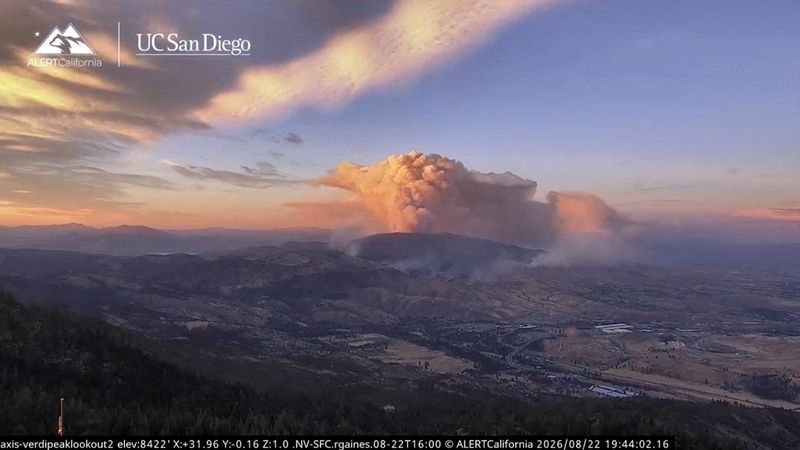
The explosion of smartphones and social media platforms has fundamentally reshaped how news reaches the world, flooding digital channels with a constant stream of images and videos capturing everything from natural disasters to political upheaval. Yet this democratisation of eyewitness reporting has created an urgent challenge: distinguishing authentic documentation from fabricated content. Artificial intelligence now generates videos and photographs so photorealistic that they can fool casual observers, sometimes even trained professionals. Reuters, the world's largest news agency, has responded by assembling dedicated teams of visual verification journalists who meticulously authenticate images before publication, ensuring that audiences receive trustworthy information in an era when misinformation spreads faster than corrections.
The mechanics of modern news gathering have made such verification imperative. Despite maintaining approximately 2,600 journalists stationed across roughly 200 locations globally, Reuters recognises a fundamental truth: no news organisation can physically cover every significant event happening around the world. Breaking news occurs constantly in unpredictable locations and at unexpected moments, creating gaps that eyewitness documentation fills. Photographs and videos captured by ordinary people present at newsworthy scenes have become essential to Reuters' reporting, supplementing the agency's traditional correspondent network. This approach aligns with the Reuters Trust Principles, the foundational editorial guidelines established during World War Two that commit the organisation to delivering impartial, dependable information while continuously enhancing service quality. Verified citizen-generated imagery has proven invaluable in exposing major international stories, from documenting evidence of American missile strikes on civilian locations to providing detailed visual records of critical moments in social movements.
The threat posed by artificial intelligence to visual authenticity has escalated dramatically in recent years. Earlier generations of AI-generated imagery contained telltale flaws—distorted hands with incorrect finger counts, background text rendered in gibberish, visual inconsistencies that alert trained observers. Contemporary AI systems produce content far more indistinguishable from genuine photography and videography. The technology becomes even more convincing when trained on real-world data: feeding AI systems with photographs of actual people, locations, and events enables it to generate altered versions that appear authentic. Recent examples illustrate the danger: following the reported capture of Venezuelan President Nicolás Maduro in January, social media circulated AI-generated images depicting him in handcuffs—a fabrication of a genuine event that could have influenced public perception. Similarly, Reuters has documented AI-generated advertisements employed in the lead-up to the 2026 U.S. midterm elections, spreading false information about candidates.
Beyond artificial intelligence, traditional methods of spreading misinformation persist and remain effective. Social media users routinely share genuine photographs and videos from past events but mislabel them as contemporary occurrences in different locations. A protest video documented months earlier in one city might be recirculated as evidence of current unrest elsewhere, deliberately or carelessly misleading audiences about where and when events actually transpired. This blending of authentic content with false context creates particular challenges for verification teams, as the underlying material is genuine even though its presented meaning is deceptive.
The systematic approach Reuters employs to authenticate visual content operates on several interconnected levels. First, verification journalists attempt to locate and contact the individual who captured the photograph or video, establishing their identity and, when possible, conducting interviews to understand their firsthand experience. This human element remains crucial: a reliable witness can confirm details no analytical tool can verify. Metadata embedded within digital files provides another verification avenue. Photographs and videos typically contain invisible data recording the precise time and location of capture along with the device used, information that can either support or contradict claims about when and where content was created.
Comparative analysis represents a third pillar of verification methodology. Reuters' visual verification team cross-references disputed imagery against established public databases and sources, including weather records that show atmospheric conditions at specific times and places, satellite imagery documenting geographic features and changes, archived photographs and street-view images showing locations as they appeared previously, and directional analysis of shadows that reveals the time of day when images were captured. Official reports from authorities and media coverage of events provide additional context. When multiple eyewitnesses have documented the same scene from different angles, these corroborating images strengthen verification conclusions.
Artificial intelligence detection tools supplement human judgment throughout this verification process. Reuters employs several AI scanning systems trained specifically to identify evidence of synthetic image generation or manipulation, searching for patterns in pixels and data that might indicate algorithmic alteration. However, these technological filters remain imperfect. Visual verification team members frequently encounter instances where AI detection tools provide ambiguous or inconclusive results, making definitive judgments impossible. This limitation underscores why human expertise remains irreplaceable: journalists must ultimately decide whether available evidence sufficiently establishes authenticity or raises sufficient doubt to warrant withholding publication.
The sheer volume of content demanding verification creates operational challenges for news organisations. Reuters' global visual verification team processes hundreds of photographs and videos daily, yet only validates and publishes approximately one dozen from that input. This low acceptance rate reflects the rigorous standards applied to authenticate content before it reaches publication. Each image represents a puzzle piece; only when the complete picture emerges from systematic analysis does publication proceed. The verification team describes their work using this analogy intentionally: constructing understanding from fragmentary evidence requires fitting multiple sources together until a coherent narrative emerges.
For Southeast Asian readers and news consumers, understanding these verification processes carries particular relevance. The region has experienced numerous instances where AI-generated or misleading imagery fuelled social division and political tension. Elections across Southeast Asia have increasingly encountered deepfakes and synthetic media attempting to influence voters or undermine public figures. Natural disasters and humanitarian crises in the region generate enormous volumes of social media content, not all authentic, creating conditions where misinformation can spread rapidly and dangerously. Local news organisations increasingly adopt similar verification methodologies to Reuters, yet often with fewer resources and less specialised expertise.
The escalating sophistication of content manipulation technology means that visual verification will only become more critical to journalism's credibility. As artificial intelligence continues advancing, the distinction between authentic documentation and fabrication will become progressively more difficult for casual observers to discern. Major news organisations investing in dedicated verification capabilities effectively signal commitment to accuracy during an era when speed and engagement might otherwise incentivise publishing without rigorous authentication. Reuters' approach demonstrates that maintaining public trust requires prioritising verification over volume, rejecting sensational unconfirmed content in favour of carefully authenticated material. This methodology, while labour-intensive and sometimes frustratingly slow, ultimately serves journalism's fundamental obligation to inform rather than mislead.
The future trajectory of visual verification depends partly on technological development. As AI-generated content becomes more sophisticated, detection tools must correspondingly advance. Yet technology alone cannot resolve the verification challenge. Human judgment, contextual knowledge, investigative skill, and journalistic ethics remain irreplaceable components of authentication processes. Reuters' visual verification teams exemplify this synthesis: they employ technological tools while grounding analysis in human expertise and traditional journalistic methods. For audiences consuming news in Southeast Asia and globally, understanding that verified images carry weight because journalists have invested time and resources in confirmation provides grounds for confidence. In a media landscape increasingly saturated with synthetic content and deliberate misinformation, that distinction between verified and unverified imagery has become one of journalism's most essential services.

