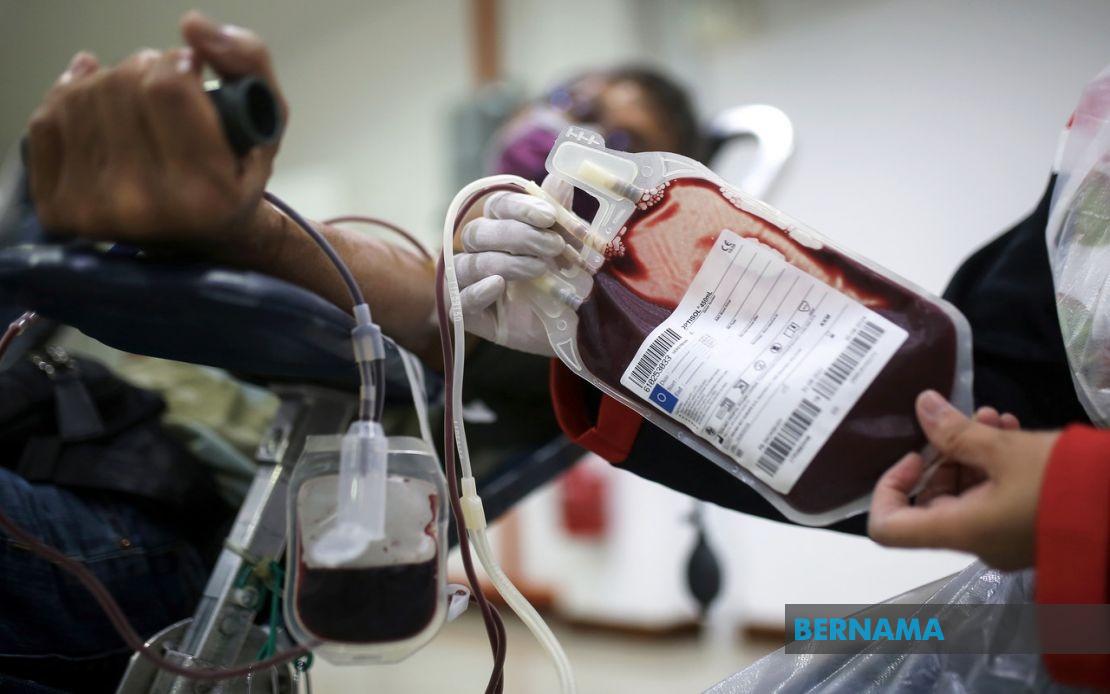
Hospital Sultanah Aminah in Johor Bahru has declared an urgent need for blood donors, particularly those with type O and AB blood groups, as inventory levels for both types have dropped significantly below operational requirements. The hospital's Transfusion Medicine Department made the public appeal through its social media channels, signalling the severity of the current shortage affecting the facility's ability to maintain adequate supplies for routine surgical procedures, trauma cases, and other medical emergencies requiring transfusions.
The shortage reflects a recurring challenge across Malaysia's blood banking system, where maintaining optimal inventory levels remains a persistent concern. Type O blood, classified as the universal donor type, is consistently in high demand across all patient demographics and medical scenarios. Type AB blood, conversely, represents a smaller segment of the population but remains essential for AB-positive and AB-negative recipients who cannot receive blood from other groups. When either supply weakens, hospitals face operational constraints that can impact clinical decision-making and delay necessary procedures.
To address the immediate shortfall, Hospital Sultanah Aminah has organised an expanded donation schedule across multiple convenient locations throughout Johor Bahru and its surroundings. Prospective donors can identify nearby collection sites by consulting the Johor Bahru Blood Donation Campaign Schedule page, which provides comprehensive information about available venues and operating hours. This decentralised approach aims to remove logistical barriers and maximise community participation by bringing donation facilities closer to residential and commercial areas.
The Johor Blood Donation Centre, positioned at Mid Valley Southkey shopping centre, will operate from today through Sunday with extended hours between 10 am and 6.30 pm, offering maximum accessibility for working professionals and weekend visitors. AEON Mall Bukit Indah will simultaneously host donation activities on today, Saturday, and Sunday from 10 am to 3 pm, capitalising on high foot traffic at this major retail destination. Hospital Sultanah Aminah's own blood donation centre will facilitate collections for two consecutive days from 8 am to 4.30 pm, allowing hospital staff, patients' relatives, and walk-in donors to contribute at the facility itself.
The multi-venue approach reflects best practices in blood recruitment campaigns, recognising that accessibility significantly influences donor participation rates. Shopping centres and commercial hubs attract substantial populations during designated collection periods, while hospital-based facilities serve patients, staff, and accompanying family members who may be motivated to donate during medical visits. The variety of locations and timing options accommodates different schedules and preferences, from early morning donors to evening contributors.
Blood shortages carry substantial implications for Malaysian healthcare delivery, particularly in states like Johor with large populations and significant tourist traffic. Emergency departments require reliable blood supplies to manage trauma cases, obstetric complications, and acute medical crises where immediate transfusion can mean the difference between survival and mortality. Surgical schedules depend on confirmed blood availability; unexpected shortages can force postponement of elective procedures and strain operational planning. Chronic transfusion-dependent patients, including those with thalassaemia and severe anaemia, face uncertainty when supplies tighten.
The appeal also highlights the importance of regular, voluntary blood donation as a public health behaviour. Unlike paid donation systems that exist in some regions, Malaysia relies substantially on altruistic community giving. This model strengthens blood safety through better donor self-selection and reduces transmission risks compared to commercial collection systems. However, it creates dependence on sustained community engagement and awareness.
For Southeast Asian context, blood supply management represents a critical healthcare infrastructure issue affecting the entire region. Neighbouring countries encounter similar challenges in maintaining inventory equilibrium, particularly when donor populations remain insufficient relative to clinical demand. Regional cooperation and knowledge-sharing regarding recruitment strategies have become increasingly valuable as healthcare systems modernise and transfusion demands evolve with ageing populations and expanding surgical capacity.
Prospective donors interested in contributing should note specific eligibility requirements that vary based on medical history, recent travel, medications, and general health status. Hospital Sultanah Aminah's Transfusion Medicine Department can provide detailed guidelines through their social media channels and at donation venues. First-time donors are particularly welcome and may find the process quicker than anticipated, with most donations completed within 15 minutes after initial screening.
The campaign underscores how blood donation remains an accessible way for healthy individuals to contribute meaningfully to community health outcomes. Regular donors develop familiarity with the process and can donate multiple times annually within safe limits, building predictable supply streams. Young adults, particularly university students and young professionals, represent underutilised donor populations in Malaysia, and targeted recruitment efforts during collection drives can establish lifelong donor habits.
Hospital Sultanah Aminah's urgency reflects real clinical pressure, but the expanded donation schedule provides genuine opportunity for community response. Those experiencing good health and meeting basic criteria are encouraged to visit designated collection points during scheduled hours. Individual donations, multiplied across several hundred participants over a weekend campaign, can meaningfully restore inventory levels and restore the hospital's operational flexibility.

