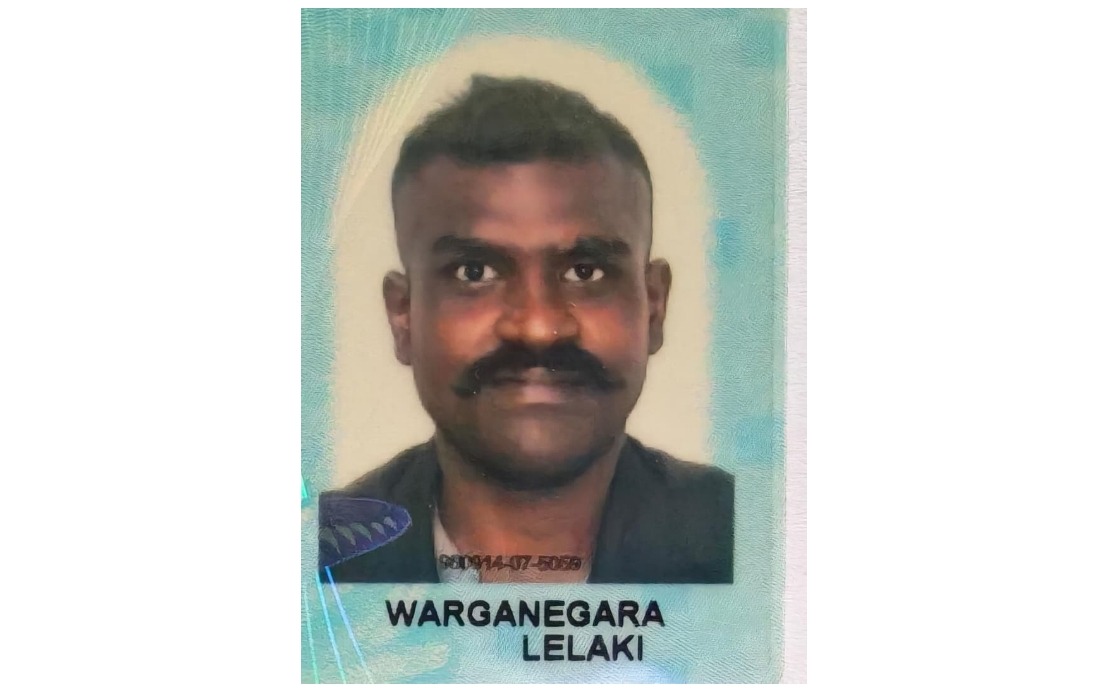
Sungai Bakap Hospital in Nibong Tebal has launched a public appeal to identify and locate the family members or next of kin of a 29-year-old man who passed away following an extended hospital stay. The case highlights the challenges healthcare facilities face when treating vulnerable populations with limited social connections, a growing concern across Malaysian and Southeast Asian medical systems.
M. Balakrishnan died on August 10 at 6.53 pm in Ward 3 of the hospital after succumbing to severe sepsis complicated by multi-organ failure. The hospital retained his remains in its Forensic Medicine Unit following his death, pending identification of family members who could make arrangements for final rites according to customary or religious practices.
Balakrishnan's medical journey began on May 27 when he was transferred from Bukit Mertajam Hospital to Sungai Bakap Hospital. At that time, the hospital anticipated that he would be placed in a care facility run by the Social Welfare Department while his medical condition was being managed. However, throughout his three-month hospitalisation, no family members, relatives, or known acquaintances visited him, leaving hospital staff with minimal personal information to facilitate contact with his social network.
The absence of visitors during such an extended medical episode suggests a deeply isolated individual without robust family or community ties. This situation is not uncommon in Malaysia's urban centres, where migration, economic dislocation, and social fragmentation can leave individuals without meaningful support networks. The homeless status of Balakrishnan underscores how vulnerable populations may fall through gaps in social service coordination despite institutional efforts to assist them.
Hospital authorities undertook systematic efforts to trace Balakrishnan's relatives by consulting the National Registration Department, which provided the last documented address as No. 19, Jalan Sungai Buloh, Taman Segar, Kampung Baru Subang, Selangor. When local police investigated the premises, they discovered it was occupied by a Malay family who had no connection to Balakrishnan and no knowledge of his whereabouts or family background. This dead end suggests that the registered address may have been outdated or that Balakrishnan had severed ties with any previous residential arrangements.
The case reflects broader challenges in Malaysia's health and social welfare systems regarding patient identification and record management. When individuals arrive at hospitals without identification documents or clear family contact information, tracing their relatives becomes significantly more complicated. The three-month gap between Balakrishnan's initial transfer and his death provided an extended window for investigation, yet institutional records yielded insufficient leads for reconnection with his family.
Balakrishnan's death from severe sepsis with multi-organ failure indicates that his underlying health condition was serious and likely progressed during his hospitalisation. Sepsis is a life-threatening condition requiring intensive medical intervention, and its development into multi-organ failure typically signals critical illness that demands comprehensive supportive care. The fact that he required extended hospitalisation from late May through August suggests he had sustained periods of acute medical need throughout his stay.
The hospital's public appeal represents a final institutional effort to ensure that Balakrishnan's remains are handled respectfully and in accordance with his family's wishes, if family can be located. In many Malaysian cultural and religious contexts, proper funeral rites and disposal of remains carry significant importance, and the inability to contact next of kin creates a humanitarian concern beyond simple administrative closure.
Members of the Malaysian public with any information about Balakrishnan's family background, previous addresses, or social connections are being urged to contact Sungai Bakap Hospital. Such community assistance can be particularly valuable in cases where institutional records prove insufficient, as individuals in social networks may retain information that formal databases have lost or never captured.
This case underscores the importance of strengthened social safety nets and documentation systems for vulnerable populations. As Malaysia continues to urbanise and social mobility increases, ensuring that individuals maintain registrable connections to family networks or designated contacts becomes increasingly critical. Healthcare institutions across the region may benefit from standardised protocols for documenting and periodically updating emergency contact information, particularly for patients entering care during periods of homelessness or social dislocation.
The incident also highlights coordination gaps between healthcare facilities and social welfare agencies. While the Social Welfare Department was nominally involved in Balakrishnan's case, the available record suggests limited interdepartmental communication that might have accelerated family location efforts. Enhanced protocols linking hospital systems with social services databases could improve outcomes in similar future cases.
For now, Sungai Bakap Hospital continues to hold Balakrishnan's remains while awaiting public response to its appeal. The resolution of this case, whether through identification of family members or through formal unclaimed remains procedures, will provide closure to his prolonged hospitalisation and raise important questions about how Malaysian institutions can better serve individuals at society's margins.

