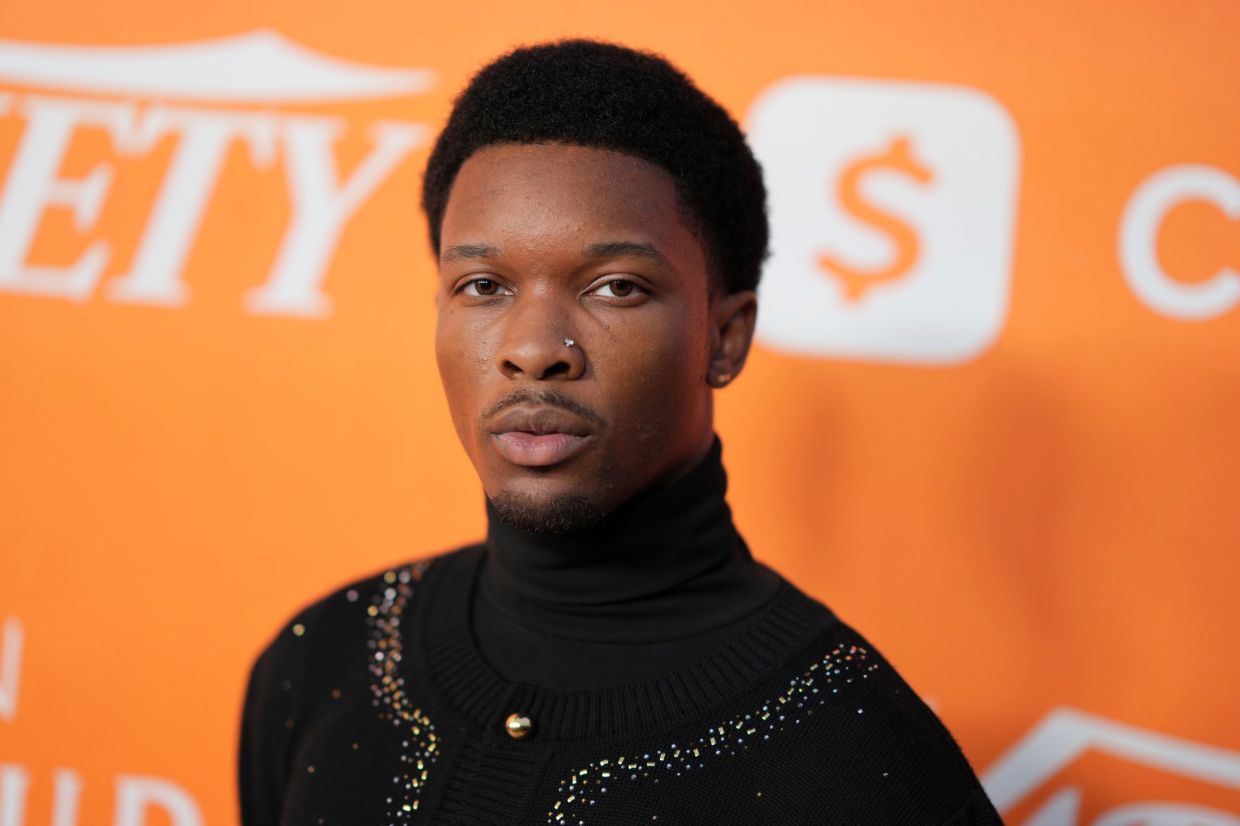
A Los Angeles court has been presented with deeply disturbing evidence in the case of 21-year-old US singer D4vd, whose real name is David Anthony Burke, who stands accused of murdering a teenage girl whose remains were discovered in the trunk of his Tesla in September 2025. During testimony on July 21, Los Angeles Police Detective Joshua Byers described finding the body of Celeste Rivas Hernandez so severely decomposed that identifying facial features proved impossible, marking the opening day of a preliminary hearing that will determine whether the case advances to trial.
Byers told the court that when law enforcement personnel opened the trunk of Burke's vehicle at a tow yard, the distinctive odour of human decomposition was immediately apparent. The graphic photographic evidence presented to the courtroom depicted the victim's remains separated into multiple bags, with her head and torso contained in one black bag and her arms and legs stored separately. The detective's testimony became increasingly grim as he described the biological processes affecting the remains, noting extensive insect activity including maggots and various stages of fly colonisation that had accelerated the decomposition process.
The skeletal remains bore testament to the extended period the body had remained undiscovered in the vehicle. When pressed about whether any identifiable facial characteristics remained, Byers explained that skin slippage from advanced decomposition had rendered facial recognition entirely impossible. This scientific reality underscores the lengthy interval between the victim's disappearance and the recovery of her remains, a timeline that prosecutors contend demonstrates the deliberate concealment of the crime and the premeditation involved in Burke's alleged actions.
Burke's behaviour during the preliminary hearing presentation of these graphic images revealed little emotional reaction, as he sat in an orange prison jumpsuit without appearing to register the disturbing photographic evidence displayed before the court. His composed demeanor throughout the proceeding contrasts sharply with the severity of the allegations he faces, which include murder, continuous sexual abuse of a child under fourteen, and unlawful mutilation of human remains. These charges collectively carry potential sentences ranging from lengthy imprisonment to capital punishment.
The prosecution's narrative paints a portrait of systematic exploitation beginning when the victim was merely eleven years old. According to prosecutors, Burke initiated a sexual relationship with the girl at thirteen, establishing a pattern of abuse that would persist until her death. Body camera footage played during the July 21 hearing captured Burke telling sheriff's deputies that the victim had misrepresented her age to him, claiming to be eighteen when she was actually a child. This assertion forms part of Burke's defence strategy, though prosecutors counter that such claims are irrelevant given her demonstrable youth and his position of power.
The victim's mother reported her child missing in 2024 when she was thirteen years old, initiating the search that would ultimately lead to the discovery of her remains nearly a year and a half later. This temporal gap underscores how vulnerability and control functioned within this relationship, with the victim apparently disappearing into Burke's orbit without adequate familial oversight or intervention from authorities who might have prevented the tragic conclusion.
Prosecutors have argued that Burke's motive for silencing his alleged victim was fundamentally financial and reputational. The singer allegedly killed the girl after she threatened to publicly disclose their illegal relationship, a revelation that prosecutors contend would have destroyed his lucrative music career. To substantiate this financial motive, prosecutors called Burke's former financial manager, Benjamin Greger, to testify about the artist's income streams. Greger revealed that between 2023 and 2025, Burke generated between US$10 million and US$11 million in gross income from his music alone, suggesting substantial financial incentive to prevent reputation damage.
This financial context is particularly relevant for Southeast Asian readers understanding broader patterns of celebrity exploitation and abuse. The case demonstrates how wealth and fame can facilitate the abuse of minors while simultaneously motivating the concealment of crimes. In many regional contexts, where celebrity culture significantly influences public discourse and where power imbalances between entertainment industry figures and vulnerable populations often go unexamined, such cases highlight the necessity of robust protective legislation and institutional accountability.
Los Angeles Chief Prosecutor Nathan Hochman indicated during a press statement that the preliminary hearing would likely conclude within three to five days, during which a judge will assess whether probable cause exists to advance the case toward trial. Hochman expressed confidence that prosecutors would successfully demonstrate sufficient evidence to proceed on all three felony charges. The expedited timeline reflects the apparent strength of the prosecution's evidentiary foundation, though the preliminary hearing remains distinct from a trial determination of guilt.
Burke has entered denials regarding all charges, maintaining his innocence despite the physical evidence and testimony presented. His legal strategy, which appears to centre on claims of age misrepresentation, will face significant challenges given the photographic evidence, expert testimony regarding decomposition, and the victim's documented status as a minor at the time her mother reported her missing.
The case resonates beyond Los Angeles courtroom walls, touching on critical questions about child protection, institutional accountability within entertainment industries, and the vulnerability of adolescents to exploitation by established figures. For Malaysian and Southeast Asian observers, the proceedings underscore persistent gaps in safeguarding mechanisms and the ways economic disparity and celebrity status can combine to create dangerous power dynamics. The preliminary hearing's outcome will establish the evidentiary foundation upon which potential future prosecution must build its case.

