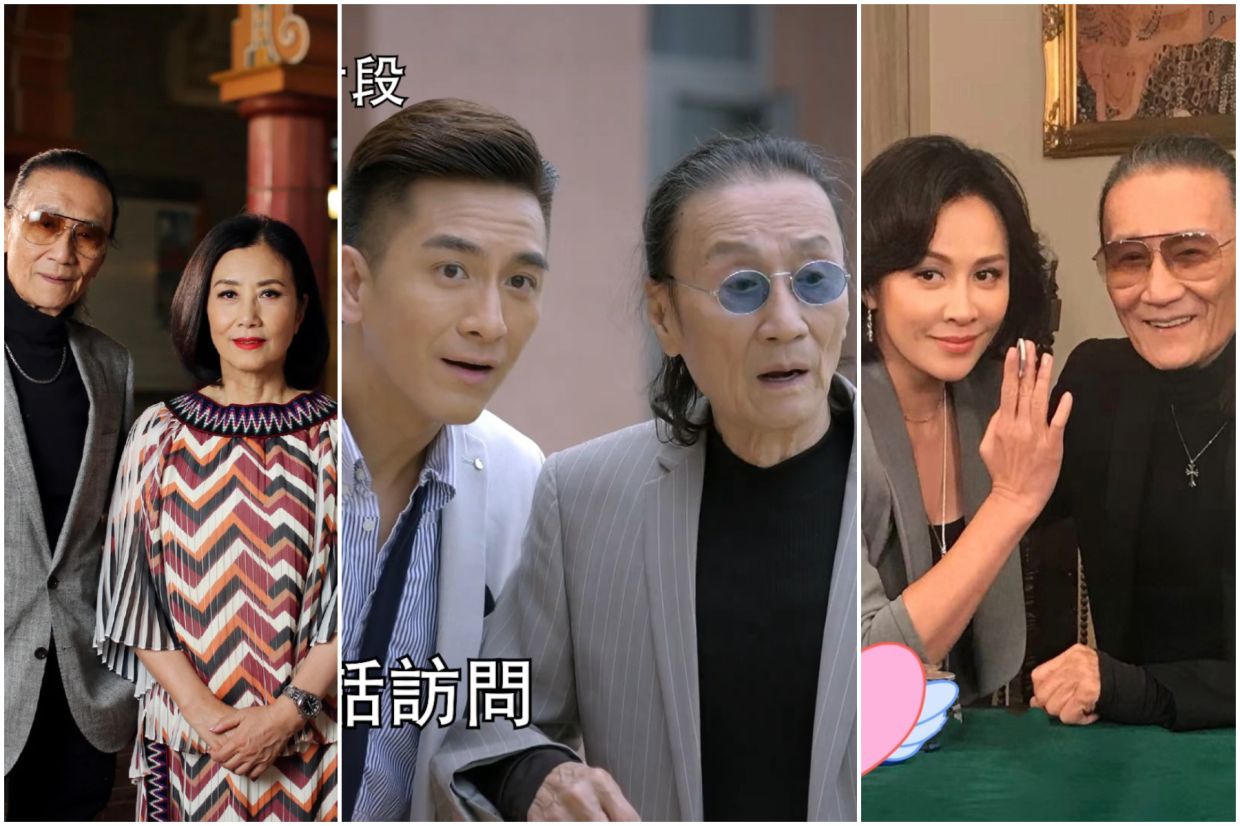
The Hong Kong entertainment industry is grieving the loss of Patrick Tse, a towering figure in Asian cinema whose influence spanned decades and touched countless lives. The veteran actor, affectionately known throughout the region as Sei Gor or Fourth Brother, succumbed to pneumonia on July 16 at the age of 89, with his family publicly announcing his death four days later. His departure marks the end of an era for Hong Kong's film and television landscape, where he had established himself as an emblem of sophistication and professionalism that defined a generation of performers.
The outpouring of tributes from his peers reveals the profound respect Tse commanded across all levels of the entertainment hierarchy. Actress Carina Lau, herself an internationally recognised star, took to social media to share intimate photographs alongside heartfelt words of remembrance. Her message captured the essence of what Tse represented to many in the industry: not merely a talented performer, but a beacon of grace whose wit and elegance had enriched Hong Kong cinema immeasurably. The emotional resonance of such tributes underscores how deeply Tse's legacy had penetrated the consciousness of his professional community, extending beyond the transactional relationships typical of show business to forge genuine bonds of affection and mutual respect.
Veteran actress Liza Wang's recollections provide particularly poignant insight into Tse's character off-screen, revealing a man whose kindness extended into personal life with equal measure. Wang, who graced numerous TVB dramas alongside the late actor, held a special position in his life as godmother to his daughter Jennifer Tse. This intersection of professional collaboration and family connection illustrates how Tse cultivated relationships that transcended the boundaries of set and script. Wang's testimony emphasises not merely his technical abilities as a performer, but his generosity of spirit in mentoring younger colleagues and sharing the accumulated wisdom of a lifetime spent mastering his craft. Her words paint a portrait of someone whose presence on set created an atmosphere of warmth and mutual encouragement, qualities increasingly rare in an industry often characterised by competitiveness and self-interest.
The bonds Tse forged extended into unexpected dimensions of his colleagues' personal lives, as demonstrated by actress Michelle Ye's reflections shared on the Chinese social media platform Weibo. Working alongside Tse during the filming of a 2005 television drama, Ye found in the established actor a stabilising emotional presence that compensated for familial voids in her own life experience. This revelation demonstrates how professional relationships can sometimes evolve into something more profoundly human, where shared moments on set and genuine connection transcend the manufactured narratives of entertainment into authentic human experience. Ye's acknowledgment of this debt speaks to Tse's capacity for empathy and emotional intelligence, qualities that often remain invisible in public-facing performances yet profoundly influence those privileged to work in close proximity.
Actor Kenneth Ma's account of collaborating with Tse on Wong Jing's 2017 television production adds another dimension to the emerging portrait of an actor whose commitment to his profession never wavered regardless of advancing years. Despite reaching an age when many would have scaled back their involvement in demanding physical work, Tse insisted on executing his own action sequences, a decision that impressed the younger generation of performers who witnessed his determination firsthand. Ma's observations highlight the work ethic and dedication that Tse embodied, principles he upheld not through lectures but through the silent eloquence of personal example. This approach to professionalism represents a counterculture in contemporary entertainment, where convenience often trumps integrity and the demands of the role frequently give way to pragmatic compromise.
The on-set atmosphere that Tse cultivated clearly extended beyond professional instruction into the realm of genuine enjoyment and camaraderie. Ma's recollection of the playful energy and good humour that characterised their working relationship suggests that Tse brought not merely technical excellence and physical commitment to his roles, but also an infectious enthusiasm that elevated the entire production experience. This capacity to blend rigorous professionalism with accessible warmth represents a rare combination in an industry where ego and status consciousness often erect barriers between established and emerging talent. The tangible pleasure Ma experienced working with Tse indicates that the veteran actor had mastered the art of making colleagues feel valued and included, a form of generosity that costs little materially yet enriches work environments immeasurably.
Director Wong Jing's tribute illuminates another aspect of Tse's significance: his role as mentor and philosophical guide to those navigating the treacherous waters of entertainment industry success. Wong's reminiscence about meeting Tse in 1977, when Wong himself was a fledgling scriptwriter at Hong Kong's TVB network, reveals how Tse extended hospitality and friendship to those just beginning their careers. The image of Tse driving the young Wong through the streets of Hong Kong in his Mercedes-Benz sports car, engaging in wide-ranging discussions about cinema and artistry, suggests someone secure enough in his own achievements to invest genuinely in others' development. Such generosity of time and attention reflects a secure sense of identity grounded in something deeper than commercial success or public adulation.
The philosophical observation that Tse reportedly shared with Wong Jing—that achieving stardom demands lifelong dedication to maintaining excellence—encapsulates the ethical framework that apparently governed Tse's entire career. This principle transcends the cynical posturing often associated with celebrity culture, instead articulating a noble vision of performance as a sacred trust requiring perpetual recommitment. Wong's characterisation of Tse as the most dashing male star in Hong Kong's history does not rest solely on physical appearance or charisma, but rather acknowledges a kind of moral authority that comes from living consistently according to one's own expressed values. The fact that Wong treasured this memory across decades demonstrates how profoundly such mentorship can influence a creative professional's trajectory and self-conception.
The collective remembrances from Tse's peers construct a comprehensive portrait of a performer whose significance extended far beyond his filmography or public image. Rather than eulogising merely his dramatic talents or screen presence, his colleagues repeatedly invoked his character, his integrity, and his capacity to genuinely connect with others. This consistent emphasis across testimonies from different generations and career stages suggests that Tse's true legacy may lie not in any single iconic role, but rather in how he conducted himself as a professional and human being. In an industry notorious for disposability and superficiality, Tse apparently cultivated something more durable: genuine respect grounded in consistent demonstration of excellence and kindness.
For Malaysian and broader Southeast Asian audiences, Tse's passing represents the end of an era when Hong Kong cinema exerted tremendous cultural influence across the region. Many viewers in Malaysia grew up watching Hong Kong television productions and films, often encountering Tse's work during formative entertainment experiences. His death signals the passing of a generation of actors who defined a particular aesthetic and approach to performance that shaped regional entertainment consumption patterns. The tributes from his contemporaries serve as a reminder that behind every on-screen moment lay years of discipline, generosity, and commitment to craft—values increasingly worth commemorating as the industry evolves toward different production models and priorities.
The sustained outpouring of remembrance from across the entertainment industry suggests that Tse's influence extended beyond his own generation into the consciousness and practice of those who followed. Directors, actors, and production professionals continue to reference his example and teachings, indicating that his legacy operates not merely through recorded performances preserved on film and television, but through the living memory of those he mentored and influenced. This intergenerational transmission of values and professional standards represents perhaps Tse's most enduring contribution to Hong Kong and regional entertainment culture—the cultivation of an approach to one's craft grounded in respect, excellence, and genuine human connection.

