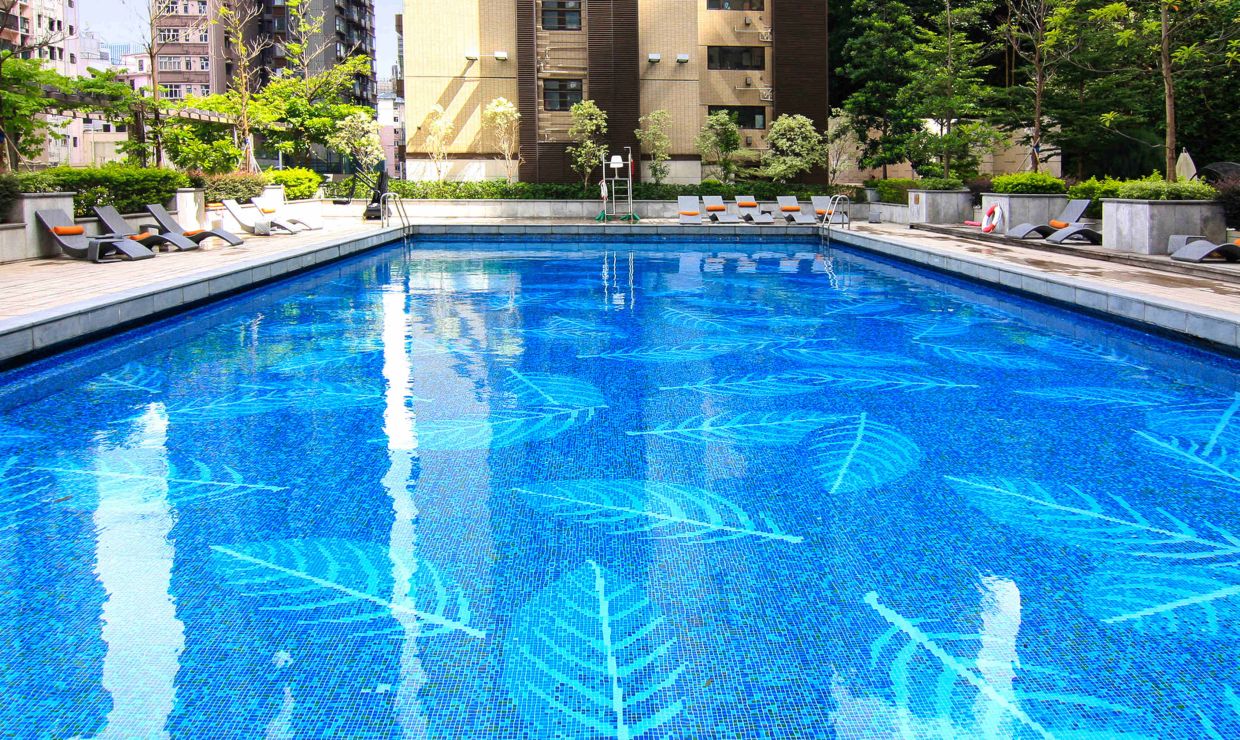
Authorities in Hong Kong have ordered the immediate closure of a swimming pool at a private residential complex in the affluent Happy Valley district following the discovery that a lifeguard on duty possessed fraudulent qualifications. The Food and Environmental Hygiene Department took swift action after cross-referencing personnel records with the Hong Kong China Life Saving Society and uncovering a significant mismatch in the lifeguard's credentials. The pool facility at 1-5 Ventris Road, located within Winfield Building, was shuttered because the discovery left it without the minimum complement of legally certified lifeguards required for operation.
The regulatory breach represents a serious lapse in public safety oversight at a premium residential property. When the Food and Environmental Hygiene Department submitted a batch of lifeguard records for verification on Wednesday, officials at the Hong Kong China Life Saving Society flagged discrepancies in the documentation. The department responded with immediate enforcement action, recognising that permitting the pool to remain operational without adequate qualified supervision would violate fundamental safety protocols and the Swimming Pools Regulation. A government spokesperson confirmed that the pool's licensee now faces potential prosecution, while police have been notified of suspected document fraud.
This incident underscores the persistent challenge Hong Kong authorities face in maintaining consistent compliance standards across its private pool sector. The Property Management Services Authority has been engaged to conduct follow-up investigations, yet the original announcement did not clarify the lifeguard's employment status or whether disciplinary action had been initiated. The lack of transparency regarding the individual's circumstances reflects broader questions about accountability measures and how thoroughly the sector implements verification protocols. For residents and families who may have used the facility while the unqualified attendant was on duty, the discovery raises uncomfortable questions about whether they were adequately protected.
To address vulnerabilities that became apparent in recent years, Hong Kong implemented tighter regulatory requirements beginning in May of last year. All private pool operators must now verify lifeguards' identity documents before hiring and maintain copies of their Pool Lifeguard Awards certificates along with personal logbooks. The Food and Environmental Hygiene Department has also mandated that duty records be jointly signed and verified by both lifeguards and supervising inspecting staff appointed by licensees. These measures represent a significant escalation in administrative requirements, reflecting the government's determination to prevent future incidents of fraudulent credentials slipping through the system.
The scale of regulatory activity suggests that authorities recognise the magnitude of the problem. Between January and July this year alone, inspectors conducted approximately 7,000 visits across more than 1,400 licensed private pools, during which they verified the qualifications of around 2,100 lifeguards. This extensive verification exercise demonstrates that the Food and Environmental Hygiene Department is taking proactive steps to systematically identify non-compliant facilities. However, the Happy Valley case indicates that despite these efforts, gaps in enforcement persist, as the fraudulent credentials were only discovered after targeted cross-referencing with the Hong Kong China Life Saving Society.
This is not an isolated incident. Last year, after the enhanced regulatory measures were first introduced, authorities uncovered another case involving the suspected deployment of unqualified lifeguards at a different facility. That earlier discovery prompted further tightening of oversight mechanisms, yet the reoccurrence demonstrates that some operators remain willing to circumvent safety requirements, either through negligence or deliberate circumvention. The pattern raises questions about whether current penalties and enforcement mechanisms are sufficiently robust to deter non-compliance or whether more aggressive prosecution and licensing revocation may be necessary.
For Malaysia and other Southeast Asian jurisdictions grappling with similar issues in their hospitality and residential sectors, Hong Kong's experience offers instructive lessons. The territory's approach of combining document verification, record-keeping requirements, and systematic cross-referencing with professional bodies represents a comprehensive framework, yet even this multi-layered system initially failed to catch the Happy Valley violation. The case suggests that regulatory bodies across the region should consider whether their own private swimming pool oversight mechanisms are sufficiently rigorous and whether they conduct independent verification against recognised professional bodies.
The regulatory environment in Hong Kong's property management sector has become increasingly scrutinised following several high-profile safety and compliance incidents. The Food and Environmental Hygiene Department's willingness to pursue prosecution against the Happy Valley pool's licensee signals a tougher enforcement posture. A department spokesman reiterated that licensees must strictly adhere to the Swimming Pools Regulation and all licensing conditions, emphasising that maintaining an adequate complement of qualified lifeguards during all operating hours is non-negotiable. This messaging appears designed to send a clear deterrent signal to other operators who might be tempted to cut corners.
As the summer swimming season approaches, the Food and Environmental Hygiene Department has committed to increasing surprise inspections and unannounced spot checks across private pool facilities throughout the territory. This reactive intensification represents the department's acknowledgment that random, unpredictable audits may be more effective than scheduled compliance reviews, which operators can prepare for in advance. Whether this increased vigilance will prove sufficient to eliminate fraudulent credentials from Hong Kong's private pool workforce remains to be seen, but the immediate closure of the Happy Valley facility demonstrates that authorities are willing to impose significant operational consequences on non-compliant establishments.

