A 32-year-old police officer in Hong Kong has been charged with misconduct in public office following allegations that he sent sexually inappropriate messages and images to a woman connected with a criminal investigation, marking another instance of alleged officer misconduct that has drawn scrutiny from the force's leadership.
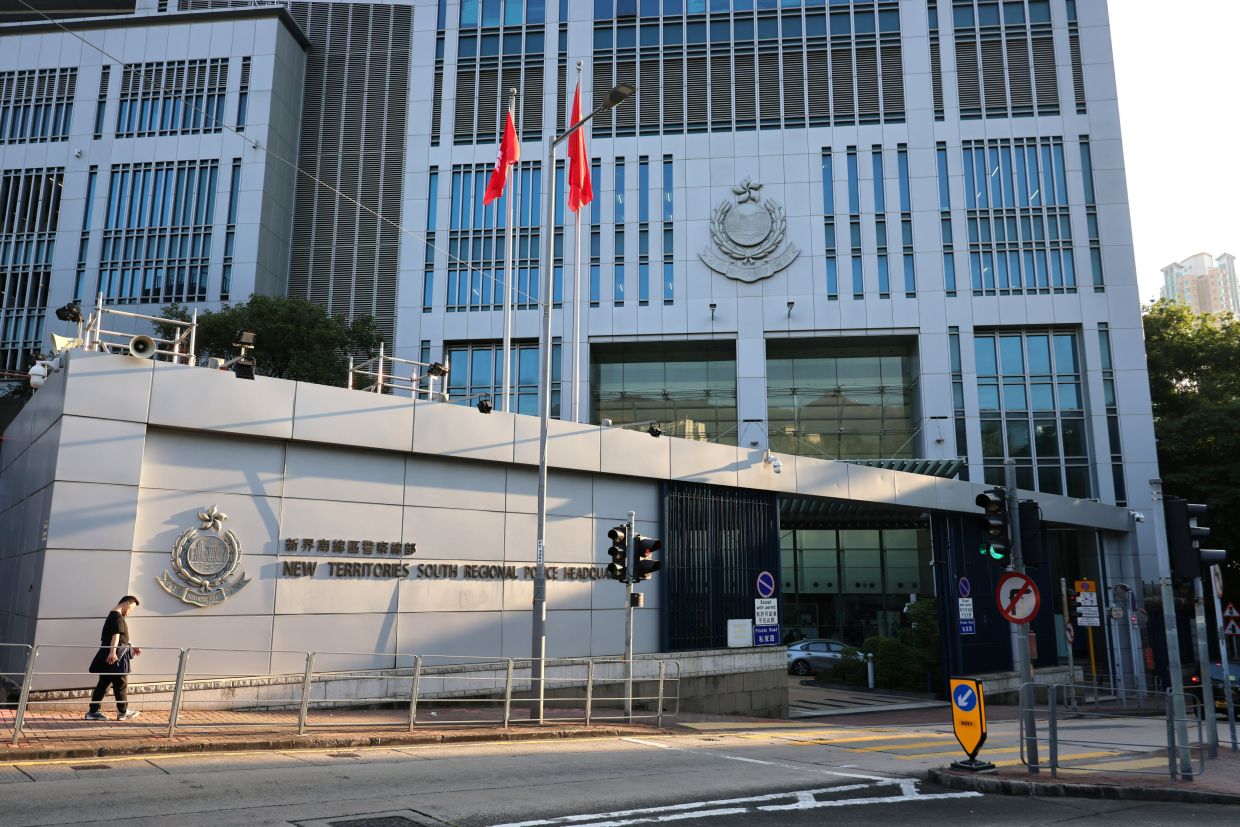
The officer, attached to the Kwai Tsing police district, was detained by officers from the New Territories South regional crime unit in Tuen Mun on August 20, according to a police spokesman's statement released Thursday. The arrest stemmed from behaviour that occurred during a criminal case being investigated in May of the previous year, when the officer allegedly initiated contact with a friend of one of the suspects in the matter.
During the course of their communications, the officer is accused of transmitting sexually explicit text messages and photographic material to the woman without authorisation or appropriate justification. The allegations centre on a serious breach of professional boundaries and the misuse of his position as a law enforcement officer to engage in harassment of a civilian tangentially connected to police operations.
The woman who received the messages did not immediately report the incident when it occurred. However, later that same month in May, she decided to lodge a formal complaint with police, detailing the inappropriate contact and materials she had received from the officer. Her decision to come forward triggered an internal investigation into the matter.
Following a thorough inquiry into the allegations, prosecutors determined sufficient evidence existed to proceed with formal charges. The single count of misconduct in public office reflects the seriousness with which authorities are treating the officer's alleged conduct. Such charges carry significant legal implications and represent a fundamental breach of the trust vested in police officers to conduct themselves appropriately and professionally in all interactions with members of the public.
The officer is scheduled to make his initial appearance before Sha Tin Court on Friday, where proceedings will begin regarding the misconduct charge. In the interim, he has been removed from active duty and suspended from his position at Kwai Tsing police district, effectively sidelining him from all operational responsibilities pending the outcome of legal proceedings.
The Hong Kong Police Force has responded with statements emphasising its commitment to maintaining high standards of conduct among its personnel. A spokesperson for the force acknowledged that the organisation places considerable emphasis on the professional and ethical behaviour of its officers, stressing that the police would continue to investigate any allegations of unlawful conduct thoroughly. The force also indicated that any confirmed instances of misconduct would be met with serious disciplinary and legal consequences.
This case adds to ongoing discussions within Hong Kong about police accountability and the mechanisms available to members of the public who experience inappropriate behaviour from law enforcement officers. The incident highlights vulnerabilities in how officers might exploit their access and authority in the course of investigations, particularly when interacting with individuals connected to suspects or cases they are working on.
For regional observers monitoring Hong Kong's institutional governance, the case underscores broader questions about oversight and complaint mechanisms within police forces across Southeast Asia and the wider region. Many jurisdictions, including Malaysia, maintain parallel systems for investigating police misconduct and ensuring that officers who abuse their position face appropriate consequences through both internal discipline and criminal prosecution where warranted.
The timing and nature of the allegations also raise concerns about the potential for officers to leverage their investigative access to establish improper contact with civilians. Such scenarios create risks for vulnerable individuals who may feel reluctant to resist advances from those holding authority over matters that could affect them or their associates legally.
The outcome of the Sha Tin Court proceedings will likely receive close attention from civil society groups and observers concerned with police reform and accountability. The case demonstrates that even where formal complaint mechanisms exist, enforcement and consequences remain critical components of any effective system designed to deter misconduct and protect the public from abuse of power by those entrusted with law enforcement responsibilities.

