A 65-year-old repeat sex offender in Hong Kong has received a four-month prison sentence following his conviction for sexually assaulting a teenage student on a crowded public bus, an incident that drew significant public attention after being recorded and shared on social media platforms.
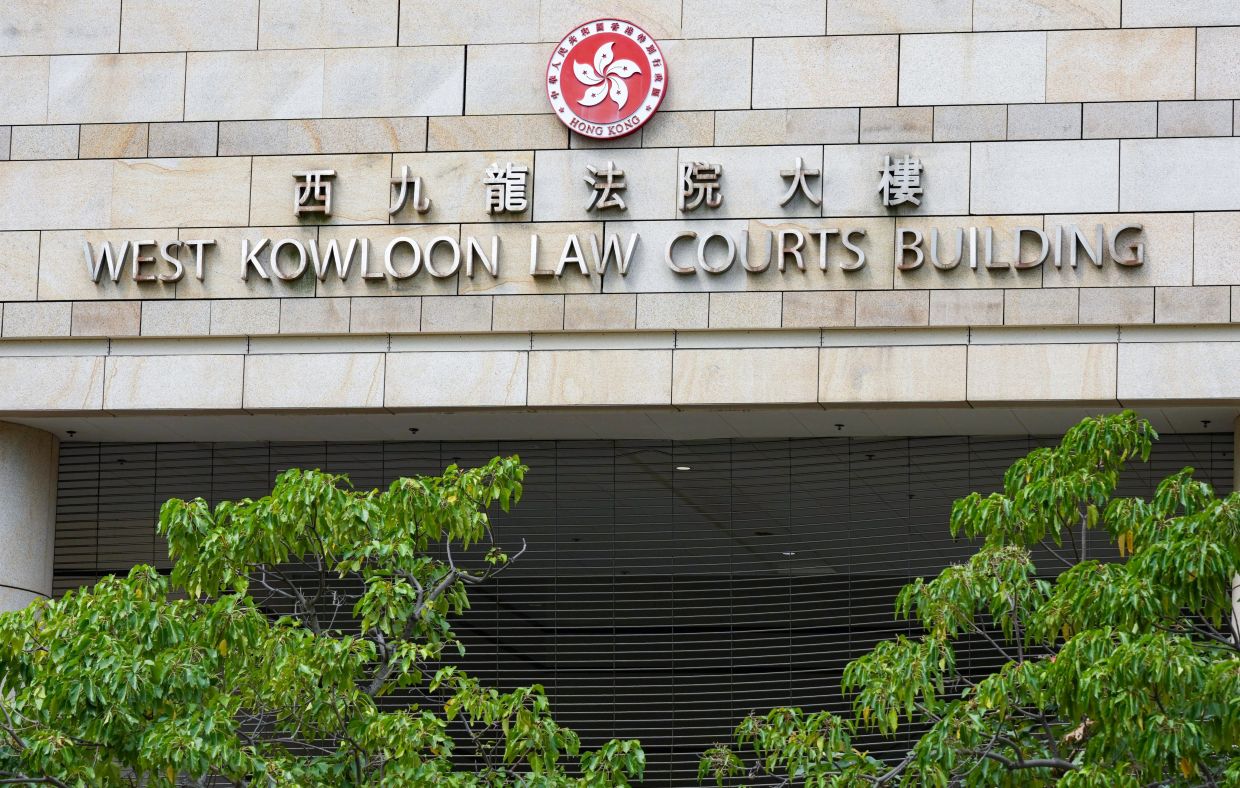
West Kowloon Court delivered the verdict on Tuesday against William Wu Yiu-shing, a former hardware salesman who pleaded guilty to indecent assault. The case underscores persistent concerns about passenger safety on public transport across Asia's major cities, where vulnerable commuters, particularly young people, remain at risk despite crowded conditions that might suggest greater protection.
The assault occurred on June 5 at approximately 12.10pm aboard a Kowloon Motor Bus double-decker vehicle stopped at the intersection of Mong Kok Road and Sai Yeung Choi Street South. The victim, a Form Three student aged 17, was seated on the upper deck when Wu, sitting directly behind her, reached forward and touched her chest area. The attack was captured in a 37-second video by a pedestrian outside the bus, who subsequently posted the footage online where it circulated widely among the public.
Despite receiving verbal warnings from onlookers on the street, Wu continued his assault as the bus resumed movement. His apparent indifference to public intervention and continued criminal behaviour raises questions about the effectiveness of bystander deterrence in crowded urban environments. The victim later told police that she felt contact at her armpit for several seconds and observed Wu attempting to grab her, but she was too frightened to respond or seek immediate help. She fled home immediately following the incident.
Wu's background reveals a troubling pattern of similar offences. He carried three previous convictions for indecent assault, making him classified as a repeat sex offender. His history suggests that previous interventions and sentences had failed to deter him from committing similar crimes. This case raises important questions for law enforcement and correctional authorities across the region regarding the adequacy of rehabilitation programmes and the appropriate sentencing frameworks for persistent sexual offenders.
Authorities apprehended Wu the same day at the Hong Kong-Zhuhai-Macau Bridge border checkpoint when he returned from Macau. During questioning, he admitted to committing the offence to satisfy sexual desires, demonstrating premeditation rather than momentary impulse. This admission underscores that the assault was not a spontaneous act but rather reflected ongoing sexual motivation that had manifested repeatedly throughout his life.
The legal proceedings moved swiftly, with Wu being prosecuted on June 8. His defence counsel presented mitigation arguments on Tuesday, noting that the defendant had frankly acknowledged his culpability and admitted to committing previous offences using similar methods. The lawyer further indicated that Wu had expressed willingness to undergo psychological treatment as part of his rehabilitation efforts, suggesting some recognition of his need for therapeutic intervention.
The four-month sentence, while significant in absolute terms, sits well below the maximum penalties available to the court. Indecent assault carries a maximum imprisonment term of ten years under Hong Kong law, though magistrate courts cap sentences at two years when hearing such cases. The relatively moderate sentence may reflect judicial considerations regarding Wu's age, his guilty plea, and his stated openness to rehabilitation treatment.
Having remained in custody since being charged, Wu is expected to become eligible for early release within approximately one month, potentially resulting in his freedom sooner than the full four-month term. This early release timeline raises concerns about public safety, particularly given his established history of reoffending and the fact that his crimes target vulnerable individuals in public spaces.
The incident resonates across Southeast Asia, where public transport systems in major cities carry millions of daily commuters, many of them young and potentially vulnerable to harassment and assault. Singapore, Malaysia, and other regional economies have similarly grappled with managing passenger safety amid rapid urbanisation and crowded transit networks. The Hong Kong case demonstrates how perpetrators can exploit crowded conditions and the reluctance of bystanders to intervene in strangers' affairs.
Community response to the case, evidenced by the video's rapid online circulation and public discussion, suggests growing intolerance for such behaviour. However, this heightened awareness has not necessarily translated into systematic protective measures or preventative strategies beyond reactive prosecution. Many public transport operators across Asia continue to struggle with implementing effective safety measures, including improved CCTV coverage, emergency alert systems, and trained personnel capable of responding to harassment incidents.
The case also highlights the psychological impact on victims, with the teenage student's reluctance to respond immediately due to fear being a common response among assault victims. Building public awareness about supporting victims and encouraging bystander intervention without personal risk remains an ongoing challenge for civil society organisations and transport authorities throughout the region.
Moving forward, the sentence may prompt reviews of sentencing frameworks and rehabilitation strategies for repeat sexual offenders across Hong Kong and potentially influence policy discussions in neighbouring jurisdictions wrestling with similar public safety concerns.

