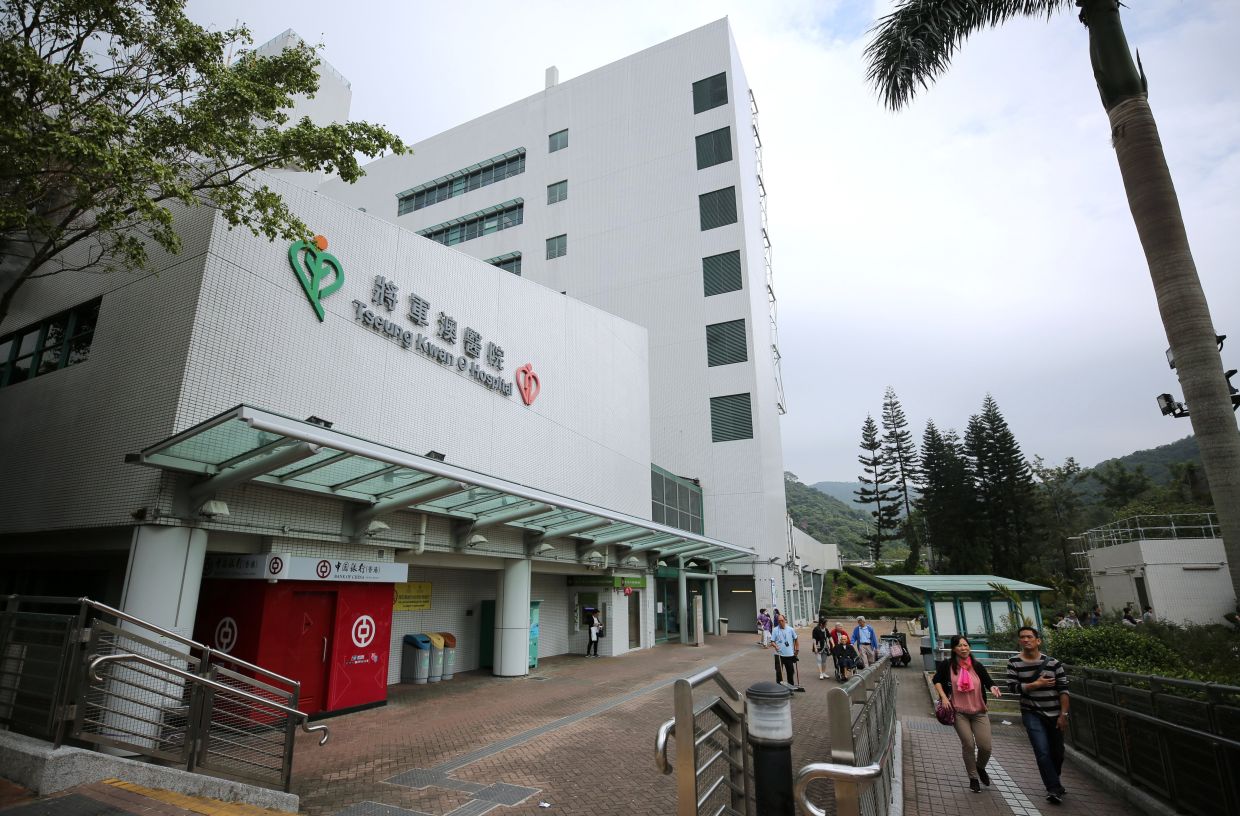
A critical hospital investigation in Hong Kong has exposed how cognitive bias and systemic failures in surgical procedures led to the death of an 85-year-old woman, reigniting debate over medical accountability and patient safety standards in one of Asia's leading healthcare systems. Tseung Kwan O Hospital released its formal cause analysis report on Thursday regarding the February 7 incident, which resulted in the patient's death on March 3 following a botched surgical procedure that should have relieved an intestinal blockage but instead created life-threatening complications.
The elderly woman had presented with obstructive sigmoid colon cancer requiring urgent surgical intervention. Her physicians planned to perform a transverse colostomy, a standard procedure in which surgeons create a stoma—a surgical opening in the abdominal wall—to bypass the diseased portion of her colon and restore bowel function. This is a routine operation that thousands of patients undergo each year across Southeast Asia, making the nature of the error particularly troubling for the broader medical community.
During the procedure, however, the operating surgeon fundamentally misidentified the anatomical structures within the patient's abdominal cavity. Instead of creating the stoma in the transverse colon as intended, the surgical team exteriorised the stomach, a critical error that went undetected during the operation. The hospital's investigation concluded that the surgeon displayed "confirmation bias"—a psychological phenomenon in which individuals interpret information selectively to confirm their pre-existing beliefs—when examining the organs. This cognitive failure prevented the surgeon from recognizing that the structure being operated upon was incorrect, and crucially, no additional confirmation measures were implemented to verify the surgical target before proceeding.
Initially, the patient's post-operative course appeared deceptively stable. Her vital signs remained within acceptable ranges, which may have created false reassurance among the medical team. However, nursing staff documented unusually high output from the newly created stoma, a warning sign that should have prompted immediate reassessment. This abnormal output went inadequately monitored and insufficient action was taken despite the clear indication that something was amiss with the surgical result.
The severity of the misadventure became undeniable three weeks later. On March 1, the patient developed hypotension and tachycardia—dangerously low blood pressure combined with an elevated heart rate. She was transferred back to Tseung Kwan O Hospital from Haven of Hope Hospital the next day for emergency evaluation. A CAT scan finally revealed the horrifying reality: the stoma had been created in the stomach rather than the colon, explaining the abnormal output and the patient's deteriorating condition. By this point, irreversible damage had occurred. Her clinical state rapidly worsened, and on March 3, following family discussion and agreement to a do-not-attempt-resuscitation order, the patient died.
Beyond the surgeon's individual cognitive error, the hospital's investigation identified a constellation of systemic failures that collectively transformed a surgical mistake into a fatal outcome. Multiple healthcare personnel involved in the patient's care demonstrated inadequate monitoring protocols. Staff members possessed insufficient experience in recognizing and responding to post-operative complications. Perhaps most damaging was the breakdown in communication between the surgical team and the rehabilitation specialists at Haven of Hope Hospital, a lapse that prevented timely reassessment of the patient and delayed critical intervention by several crucial weeks.
The public disclosure of the incident prompted immediate scrutiny from Hong Kong's political establishment. Former lawmaker Michael Tien Puk-sun called the incident a "rookie mistake" that damaged Hong Kong's international reputation as a premier medical hub in Asia. Tien pointed out that the surgeon involved carried a documented history of previous errors, leading him to demand not merely disciplinary action but the surgeon's termination from employment. His intervention reflects broader public anxiety about medical accountability and whether institutional mechanisms exist to protect patients from repeat offenders within the healthcare system.
The investigation panel issued comprehensive recommendations addressing governance, communication, and clinical oversight. These include restructuring clinical governance within the surgery department, mandating that surgical teams remain involved in patient care even after transfer to other facilities, and establishing requirements that specialist stoma and wound care professionals assess post-operative patients with complete documentation and timely reporting of any complications. These measures attempt to create redundancies and checks that would catch errors similar to the organ misidentification before they progress to irreversible harm.
Tseung Kwan O Hospital has stated its acceptance of all recommendations and claimed to have already implemented various patient safety enhancements. The institution has restructured its surgery department under a cluster-based governance model intended to improve oversight and coordination. The hospital indicated it would pursue human resources procedures regarding the physicians involved and potentially refer the case to Hong Kong's Medical Council, the regulatory body responsible for physician discipline and licensing decisions.
For Malaysian healthcare professionals and patients, this incident carries sobering lessons about the importance of institutional checks and balances in surgical practice. Southeast Asian hospitals increasingly face pressure to expand surgical volumes and reduce waiting times, but the Hong Kong case demonstrates how procedural shortcuts and inadequate monitoring systems can transform even skilled practitioners into agents of harm. The cognitive bias that affected the surgeon—the tendency to see what one expects to see rather than what is actually present—represents a universal human vulnerability that no amount of training entirely eliminates, making systematic safeguards and team-based verification essential components of any safe surgical program.
The case also highlights how communication breakdowns across institutional boundaries create dangerous gaps in care. The patient transferred between two separate hospitals with different surgical and rehabilitation teams, yet no formal mechanism existed to ensure the surgical team's involvement in reassessing unexpected post-operative findings. For Malaysian hospitals managing patient referrals and inter-institutional transfers, this serves as a cautionary example of how fragmented care can amplify the consequences of initial errors.
As investigations continue and potential disciplinary proceedings loom, the Hong Kong medical community faces pressure to demonstrate that systematic improvements will genuinely protect future patients rather than simply implementing procedural changes that remain largely performative. The incident underscores that excellent medical outcomes depend not merely on individual surgeon competence but on institutional cultures that prioritize verification, encourage team questioning of suspicious findings, and maintain robust communication channels that prevent critical information from becoming lost during care transitions.
%22%2F%3E%3C%2Fpattern%3E%3C%2Fdefs%3E%3Crect%20width%3D%22100%25%22%20height%3D%22100%25%22%20fill%3D%22url(%23ph4yvpqg)%22%2F%3E%3Crect%20width%3D%22100%25%22%20height%3D%22100%25%22%20fill%3D%22url(%23ph4yvpqp)%22%2F%3E%3Ctext%20x%3D%2250%25%22%20y%3D%2250%25%22%20text-anchor%3D%22middle%22%20dominant-baseline%3D%22central%22%20fill%3D%22rgba(255%2C255%2C255%2C0.95)%22%20font-family%3D%22Georgia%2C%20'Times%20New%20Roman'%2C%20serif%22%20font-weight%3D%22700%22%20font-size%3D%22226%22%20letter-spacing%3D%22-0.02em%22%3EHAWANA%3C%2Ftext%3E%3C%2Fsvg%3E)
%22%2F%3E%3C%2Fpattern%3E%3C%2Fdefs%3E%3Crect%20width%3D%22100%25%22%20height%3D%22100%25%22%20fill%3D%22url(%23ph3x48ug)%22%2F%3E%3Crect%20width%3D%22100%25%22%20height%3D%22100%25%22%20fill%3D%22url(%23ph3x48up)%22%2F%3E%3Ctext%20x%3D%2250%25%22%20y%3D%2250%25%22%20text-anchor%3D%22middle%22%20dominant-baseline%3D%22central%22%20fill%3D%22rgba(255%2C255%2C255%2C0.95)%22%20font-family%3D%22Georgia%2C%20'Times%20New%20Roman'%2C%20serif%22%20font-weight%3D%22700%22%20font-size%3D%22272%22%20letter-spacing%3D%22-0.02em%22%3EMedia%3C%2Ftext%3E%3C%2Fsvg%3E)
%22%2F%3E%3C%2Fpattern%3E%3C%2Fdefs%3E%3Crect%20width%3D%22100%25%22%20height%3D%22100%25%22%20fill%3D%22url(%23ph4o0rkg)%22%2F%3E%3Crect%20width%3D%22100%25%22%20height%3D%22100%25%22%20fill%3D%22url(%23ph4o0rkp)%22%2F%3E%3Ctext%20x%3D%2250%25%22%20y%3D%2250%25%22%20text-anchor%3D%22middle%22%20dominant-baseline%3D%22central%22%20fill%3D%22rgba(255%2C255%2C255%2C0.95)%22%20font-family%3D%22Georgia%2C%20'Times%20New%20Roman'%2C%20serif%22%20font-weight%3D%22700%22%20font-size%3D%22320%22%20letter-spacing%3D%22-0.02em%22%3E95%3C%2Ftext%3E%3C%2Fsvg%3E)