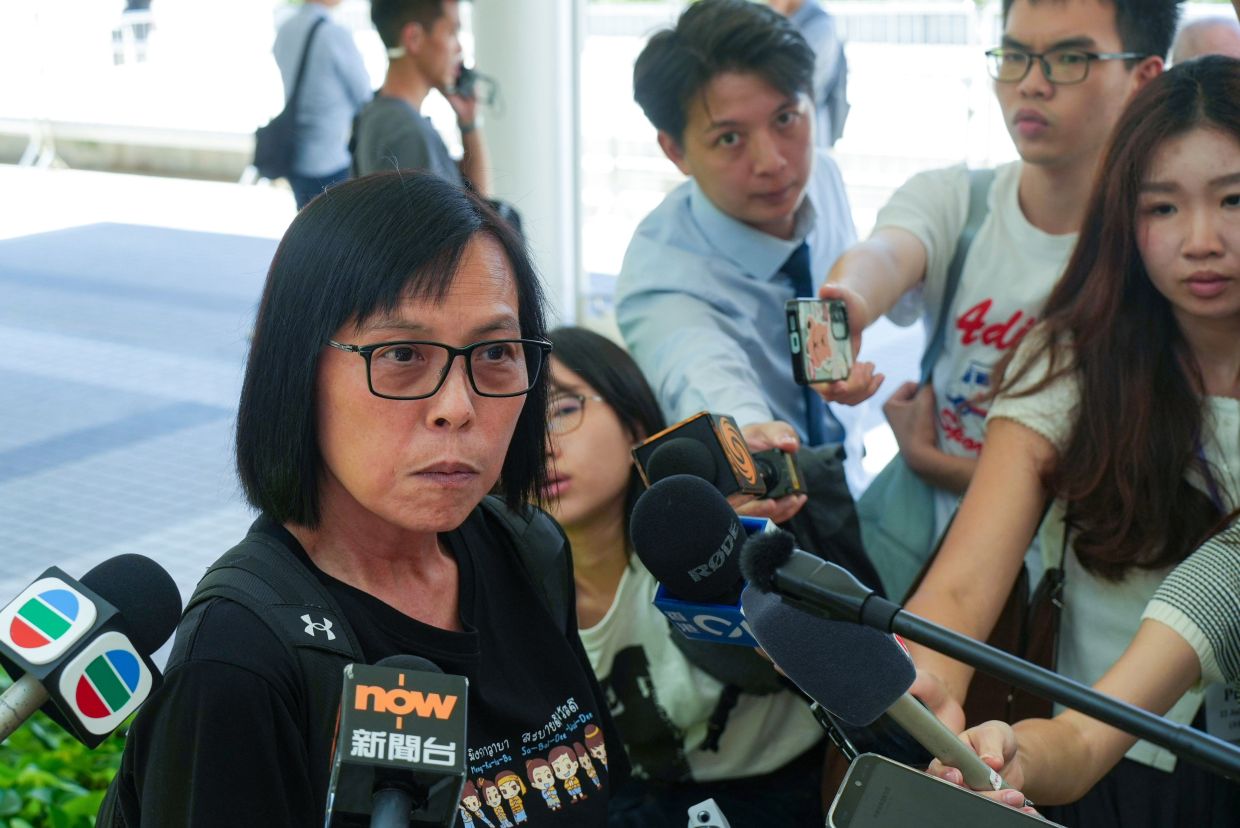
The independent committee tasked with investigating Hong Kong's Wang Fuk Court fire has determined it will not seek statutory commission status, a decision that has prompted expressions of concern from survivors about the adequacy of the probe's investigative reach. Committee chairman Justice David Lok Kai-hong announced the panel's position as hearings resumed Monday following a six-week suspension, signalling that the investigation would continue under its current non-statutory framework.
The Wang Fuk Court fire, which occurred in the previous year, claimed multiple lives and left residents grappling with unanswered questions about the circumstances surrounding the tragedy. The resumption of the committee's proceedings represents a critical phase in efforts to establish a comprehensive account of what transpired, yet the decision to forgo enhanced investigative authority introduces a layer of complexity to those seeking accountability. The distinction between a statutory and non-statutory inquiry carries significant practical implications for how thoroughly officials can compel witnesses, access documents, and enforce compliance with investigation procedures.
In Hong Kong's legal framework, statutory commissions of inquiry operate with considerably broader powers than independent committees. A statutory commission can subpoena witnesses and documents with the force of law, cross-examine testimony under oath with criminal penalties for perjury, and issue binding recommendations that carry considerable political weight. Non-statutory committees, by contrast, rely on voluntary cooperation and lack the enforcement mechanisms that transform an investigation from persuasive to coercive. For survivors and families of those who lost their lives, this distinction translates directly into concerns about whether reluctant witnesses might withhold testimony or whether critical documentary evidence could be withheld without legal consequence.
Justice Lok's decision reflects calculations about the investigation's scope and likely duration. Converting to statutory status typically involves formal legislative procedures and executive approval, processes that can introduce political considerations into what should be a purely factual inquiry. The committee may have concluded that its existing access to official cooperation—given that government agencies and the fire service maintain institutional incentives to facilitate the investigation—makes statutory powers redundant. Additionally, maintaining non-statutory status provides flexibility in procedural matters and may expedite the investigation's completion without navigating parliamentary approval processes.
Yet the practical reality facing survivors suggests a more complicated picture. Statutory inquiries, particularly those examining high-profile disasters, have historically uncovered systemic failures and individual accountability that non-statutory investigations might miss. The Grenfell Tower inquiry in London, though proceeding through statutory channels, still encountered significant resistance from developers and contractors unwilling to voluntarily disclose damaging information. Hong Kong's inquiry, lacking these formal mechanisms, faces similar potential obstacles without recourse to legal compulsion.
The resumption of hearings after a six-week pause itself raises questions about investigation momentum and resource allocation. Extended breaks between hearing dates can fragment the investigative narrative and complicate the task of maintaining public attention on crucial findings. For Malaysian observers watching how neighbouring jurisdictions handle disaster accountability, the Hong Kong approach offers instructive lessons about the balance between investigative rigor and administrative efficiency. Regional authorities conducting similar inquiries might consider whether statutory powers represent a necessary safeguard or an unnecessary complication.
Survivors' concerns about scrutiny gaps reflect deeper anxieties about institutional accountability in Hong Kong's governance structures. The decision to proceed without statutory authority implicitly suggests confidence in the voluntary cooperation of relevant authorities and witnesses. However, confidence in institutional cooperation can be fragile when those institutions face potential culpability. Fire safety regulations, building management practices, and emergency response procedures all come under examination in such inquiries, creating natural incentives for institutions to minimize damaging disclosures.
The independent committee's composition and chairman's reputation will become increasingly important as the investigation progresses without statutory backing. Justice Lok's credibility and assertiveness in pursuing uncomfortable truths effectively becomes the investigation's primary enforcement mechanism. The committee's ability to generate public pressure through transparent proceedings and forthright interim findings may compensate for the absence of legal compulsion, though this reliance on moral authority rather than legal force introduces uncertainty about ultimate accountability.
For Southeast Asian jurisdictions with their own fire safety challenges and disaster response frameworks, Hong Kong's inquiry methodology offers relevant considerations. Malaysia, with its own tragic fire incidents and ongoing building safety concerns, maintains different investigation protocols that similarly balance thoroughness against administrative burden. The Hong Kong committee's decision to forgo statutory powers invites reflection on whether Malaysia's current disaster inquiry frameworks provide sufficient investigative leverage to uncover systemic failures and establish accountability.
The investigation's effectiveness will ultimately be measured not merely by the breadth of its final report, but by whether its findings translate into concrete policy reforms and individual accountability. Survivors and their advocates will scrutinize whether the lack of statutory powers permitted important witnesses to evade scrutiny or allowed institutional actors to obscure responsibility. As hearings continue, the committee faces the subtle but significant challenge of conducting a credible investigation using persuasion rather than compulsion, a task that demands exceptional diligence and public transparency to maintain legitimacy in the eyes of those demanding justice for the tragedy.