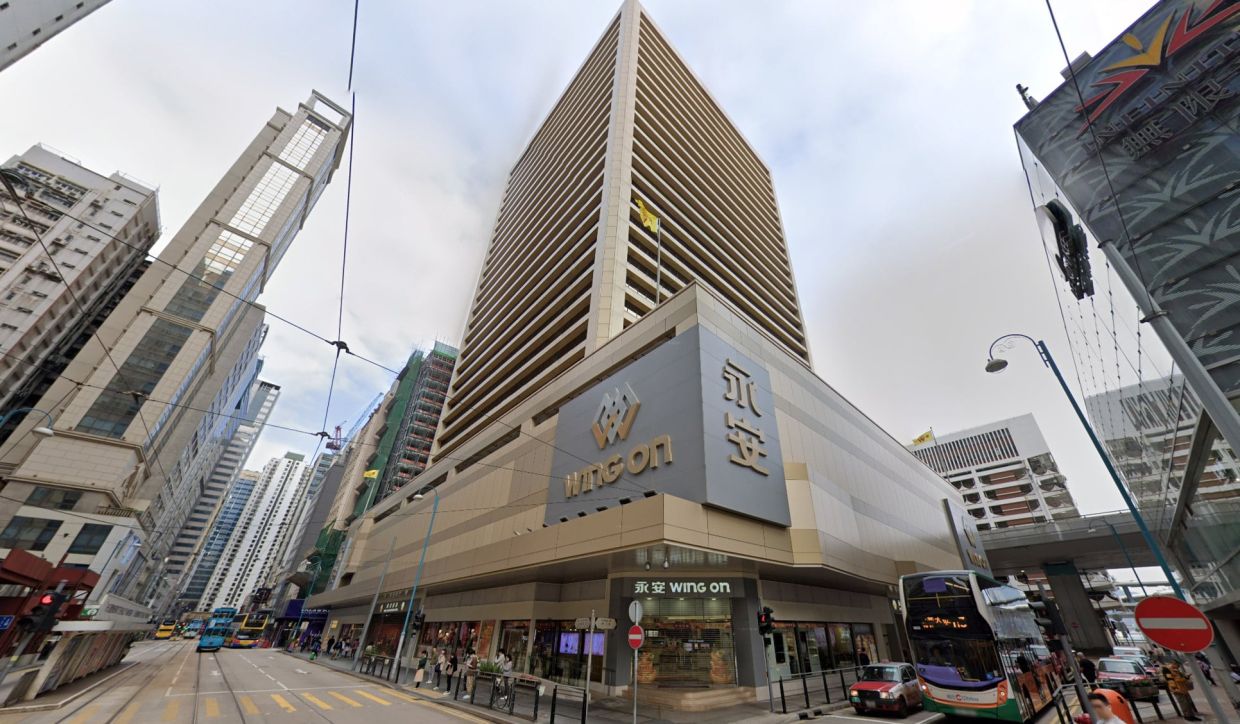
Hong Kong's consumer protection authorities have launched an investigation into allegations that an elderly woman was subjected to high-pressure sales tactics and coerced into spending HK$100,000 on beauty products, marking the latest incident in a troubling pattern affecting the territory's cosmetics retail sector. The Customs and Excise Department confirmed it is actively examining the case involving the 88-year-old customer at an Avinichi booth located within Wing On department store in Sheung Wan, with officials pledging swift enforcement action should violations of consumer protection laws be uncovered.
The woman's daughter, identified by surname Ng, disclosed the incident through a social media post on Saturday, recounting how her mother's visit to the store in April turned into what she described as an exhausting and disorienting ordeal lasting three hours. According to her account, after completing an initial purchase, the salesperson retained her mother's credit card rather than returning it promptly, instead keeping it in a folder as a mechanism to facilitate continued selling. Over the extended period, the card was processed four separate times, accumulating charges totalling HK$100,000 for an array of products including skincare items, a beauty treatment device, and a package of 24 detoxifying sessions.
What particularly troubles the family is the apparent persistence of sales staff despite clear signals of discomfort and attempts to disengage from the transaction. Ng stated that her mother's household helper made efforts to interrupt the process and suggest departure, yet the sales pitch continued unabated. The elderly customer emerged from the experience feeling mentally depleted and perplexed, later describing herself as having felt "hypnotised" throughout the encounter, a visceral characterisation that underscores the psychological impact of such aggressive commercial tactics on vulnerable consumers.
Despite the family's subsequent request for a full refund, Avinichi has reportedly resisted returning the funds and instead proposed only an exchange of products. This response prompted the daughter to escalate the matter by filing formal complaints with both the Customs and Excise Department and the Consumer Council, transforming a retail dispute into an official investigation. The regulatory response indicates the seriousness with which authorities are now treating such allegations, reflecting a broader commitment to protecting consumer rights in sectors where vulnerable populations may face exploitation.
The Customs and Excise Department's statement emphasised that it maintains "zero tolerance for unfair trade practices" and pledged stringent enforcement against what it characterises as "unscrupulous traders." This language signals a shift in regulatory intensity, suggesting that Hong Kong authorities recognise a systemic problem rather than isolated incidents. When a reporter visited the Avinichi outlet on Saturday, staff members claimed ignorance of the allegations, though they subsequently consulted a manager by telephone. Rather than facilitating direct communication, an employee requested the journalist's contact details and promised a company spokesperson would respond later—a response that never materialised by the publication's deadline.
Understanding the corporate structure behind Avinichi provides important context for assessing the scope of this enforcement challenge. The brand operates under Apex Retail, a multi-brand beauty company with presence across Hong Kong and Singapore that manages approximately a dozen retail locations in the territory under various brand names including Earth, Napara, Privilege Boutique, Dualsonic, and Lionesse. This portfolio structure suggests that aggressive sales practices, should they be systemic rather than isolated, could potentially affect multiple storefronts and hundreds of customers. Apex Retail has declined to comment on individual allegations, citing a need to avoid discussing matters that do not involve identifiable customer concerns—a response that appears to sidestep accountability.
The corporate ownership of Avinichi itself adds another layer of complexity to enforcement efforts. The trademark is held by Exclusive Label, a United States-based entity, while Avinichi's website contains a disclaimer stating that all retail locations are independently owned and managed. This diffusion of responsibility across international and local entities creates potential gaps in accountability and enforcement jurisdiction, a challenge that regulators across Southeast Asia frequently encounter when confronting transnational retail operations.
This incident cannot be viewed in isolation from a broader crisis of confidence in Hong Kong's beauty retail sector. The arrest of two managers at the Hong Kong operations of Opatra London, a British beauty chain, over allegations of coercive sales practices, signalled that authorities had begun holding retailers accountable. Similarly, The Mineral Boutique, operating under Beauty Express Group, has faced heightened scrutiny for allegedly employing aggressive sales methodologies. These converging cases suggest that certain segments of Hong Kong's beauty industry may have normalised practices that would constitute violations under consumer protection frameworks in many jurisdictions.
Legal experts consulted by previous reporting have identified multiple ways that such retail encounters could breach the Trade Descriptions Ordinance, Hong Kong's primary consumer protection statute. The ordinance explicitly prohibits harassment, coercion, and misleading representations designed to manipulate consumers into purchasing decisions they would otherwise avoid. The retention of a customer's credit card, repeated swiping over extended periods, and continuation of sales pressure despite evident customer distress would appear to fall squarely within these prohibited categories. The psychological dimension—the elderly woman's reported sense of mental confusion and hypnotic influence—adds weight to arguments that coercion and harassment occurred.
For Malaysian and Southeast Asian observers, this Hong Kong situation carries important cautionary implications. Similar beauty retail models operate across the region, and the aggressive tactics documented in these cases represent risks that local consumers face in their own markets. The concentration of such complaints in Hong Kong during a relatively short timeframe suggests either that authorities have intensified scrutiny or that the problem may be more widespread than previously recognised. Malaysia's consumer protection mechanisms, while reasonably robust, operate within an environment where some retailers test regulatory boundaries, making these Hong Kong enforcement actions potentially instructive for regional regulators seeking to identify emerging threats.
The investigation into Avinichi represents a critical test of whether Hong Kong's regulatory apparatus can effectively protect elderly and vulnerable consumers from exploitation by well-organised retail operations. The case exposes how corporate structures, franchise models, and international trademark ownership can complicate straightforward enforcement. As the Customs and Excise Department proceeds with its investigation, the question of whether it can compel refunds, impose meaningful penalties, or dismantle the problematic sales systems at work will substantially determine whether this intervention achieves genuine consumer protection or merely addresses symptoms while allowing underlying practices to persist.

