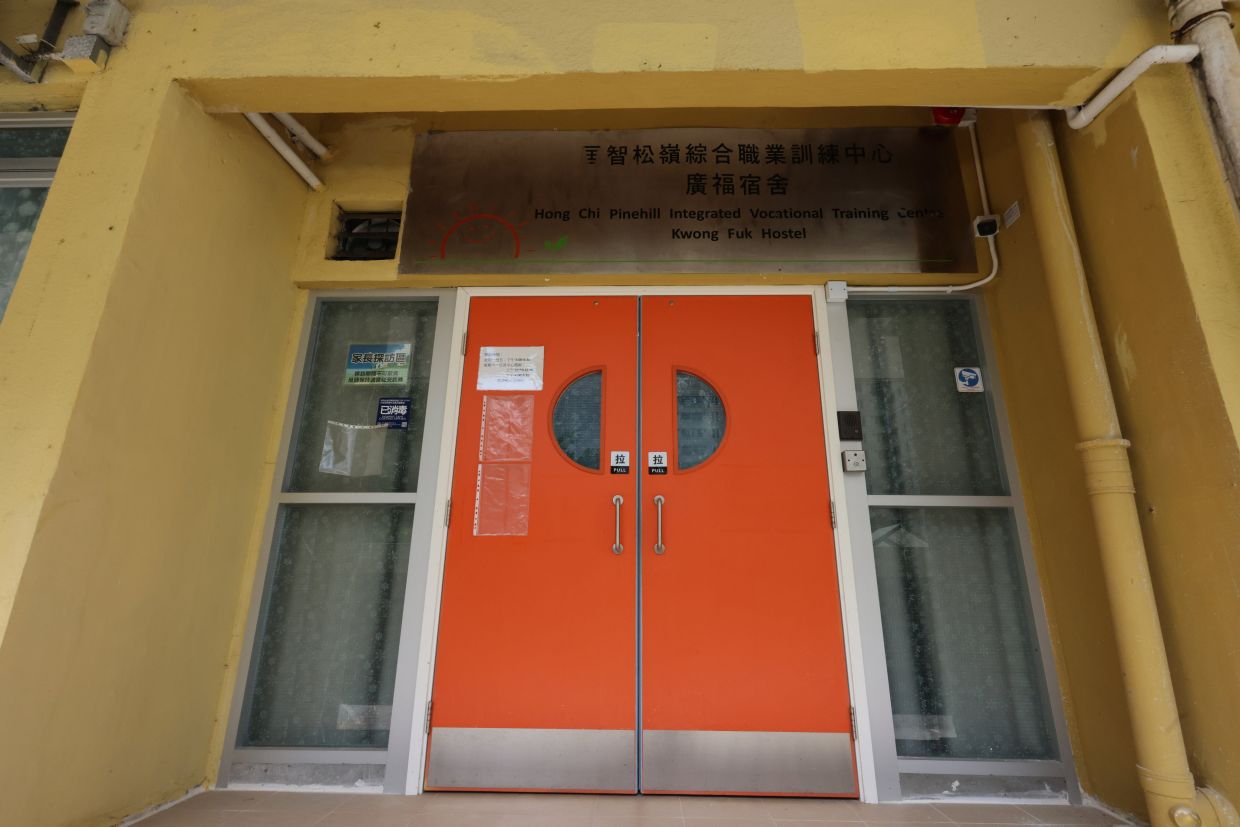
A former care worker in Hong Kong stands accused of sexually assaulting a vulnerable resident at a facility for people with intellectual disabilities, a case that has drawn intense scrutiny over safeguarding failures in institutional care. Chung Pui-kei, who previously worked as an assistant warden at a Tai Po residential home operated by the Chi Association, has been formally charged with five counts of rape involving a female resident between July and August 2024. The case is now proceeding through Hong Kong's High Court with a jury of four men and two women, presided over by Judge Douglas Yau Tak-hong.
The victim, identified as X in court proceedings to protect her identity, is currently 23 years old but possesses the cognitive functioning of a child aged nine years and ten months. This significant intellectual disparity forms the crux of the prosecution's case, establishing her status as a mentally incapacitated person unable to provide meaningful consent. According to prosecutor Human Lam Hiu-man's opening statement to the court, the accused systematically exploited this power imbalance, cultivating trust through seemingly innocent interactions before committing the assaults. The prosecutor described how Chung presented himself as a friendly figure to the victim, regularly engaging her in conversation, playing video games including Mario Kart, and occasionally offering treats such as marshmallows—gestures designed to build familiarity and lower her defences.
The prosecution's evidence relies heavily on two separate sources documenting the alleged incidents. Video-recorded interviews conducted by police with the victim provide her own account of the assaults, while surveillance footage obtained during the investigation corroborates key details regarding timing and location. The assaults reportedly occurred in two distinct settings within the residential facility: three incidents took place in the male staff room, while two occurred in the victim's own bedroom. In her testimony before the jury, Prosecutor Lam described how the victim recalled the defendant locking doors, undressing both himself and her, and proceeding with the sexual assault. Significantly, the victim indicated she experienced pain during some incidents and attempted to resist verbally on certain occasions, yet felt unable to voice stronger objections due to fear of being reprimanded by Chung.
Physical evidence presented to the court strengthens the prosecution's narrative considerably. Officers discovered condoms and related items stored in a locker within the male staff resting area, suggesting premeditated conduct. More critically, forensic analysis of a bedsheet from the victim's room revealed the presence of both the defendant's semen and the victim's DNA, providing biological confirmation of contact between the accused and the complainant in her private space. Such evidence bypasses reliance solely on the victim's testimony and provides independent corroboration of intimate contact.
Medical evidence regarding the victim's mental health and cognitive capacity has been central to establishing her vulnerability and inability to consent. Psychiatrist Lydia Lam Yi-ngar from Tai Po Hospital examined the victim on two occasions during 2024—specifically on August 19 and October 21, following the alleged assaults—and produced a formal medical assessment for the trial. The psychiatrist confirmed that the victim has been diagnosed with bipolar affective disorder, a condition requiring ongoing pharmaceutical management. Historical medical records indicate hospitalisation in both 2018 and 2021 for mental health crises, though the victim's condition has remained stable following discharge with regular medication compliance and routine clinical monitoring.
A critical line of defence questioning has emerged surrounding medication adherence and its potential impact on the victim's perceptions and reliability as a witness. Defence counsel Lawrence Hui Cheuk-lun probed whether patients discontinuing prescribed medications might experience hallucinations that could distort perception of physical features—an apparent strategy to undermine the victim's capacity to accurately identify her assailant. The psychiatrist firmly rejected this line of inquiry, clarifying that hallucinations are not recognised side effects of valproate sodium, one of the two medications the victim takes for mood stabilisation. Furthermore, blood tests conducted during the assessment period demonstrated medication levels consistent with regular and appropriate dosing, contradicting any suggestion that the victim had ceased taking her prescribed drugs during July 2024.
Clinical psychologist Wong Yik-tung from the Social Welfare Department conducted formal assessments of the victim's intellectual capacity following the alleged offences. This professional evaluation serves to establish the legal and psychological parameters of the victim's mental disability for court purposes. Wong's testimony, scheduled to continue on the following Monday, will provide expert context for jurors regarding exactly how the victim's cognitive limitations manifested and how these limitations affected her vulnerability to manipulation and exploitation by someone in a position of authority.
The case highlights systemic vulnerabilities within residential care facilities across the region, where individuals with severe intellectual disabilities remain dependent on institutional staff for daily support and protection. The trust placed in care workers like Chung represents an extraordinary power dynamic—residents have no meaningful recourse, limited ability to report abuse, and often lack the cognitive capacity to fully comprehend what has occurred to them. The fact that alleged assaults occurred over consecutive months without immediate intervention raises uncomfortable questions about supervision standards, background vetting procedures, and protocols for identifying concerning staff behaviour at residential institutions serving Hong Kong's most vulnerable populations.
The case also resonates beyond Hong Kong's borders, as Southeast Asian countries including Malaysia grapple with similar challenges in protecting institutionalised populations with intellectual disabilities. Care facilities across the region frequently operate with minimal external oversight, and staff members often work with inadequate training on safeguarding vulnerable adults. The reliance on surveillance footage and forensic evidence in this prosecution underscores the importance of robust monitoring systems and proper investigative protocols—measures that many facilities in the region still lack.
For families entrusting their disabled relatives to residential care in Hong Kong and throughout Southeast Asia, this case serves as a sobering reminder of potential risks. It raises urgent questions about institutional accountability, the adequacy of background checks and ongoing supervision of care staff, and whether current safeguarding frameworks truly protect those unable to protect themselves. The outcome of this trial will carry significant implications for care facility standards and oversight mechanisms across the region, potentially influencing how authorities approach worker vetting, training requirements, and resident protection protocols in years ahead.

