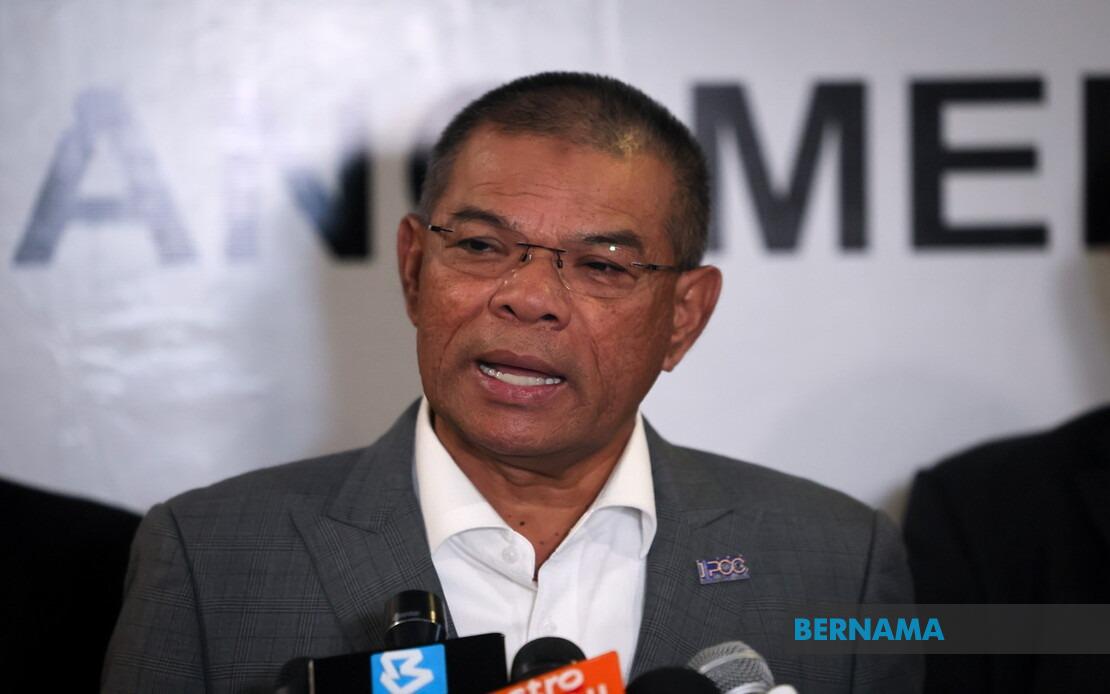
Home Minister Datuk Seri Saifuddin Nasution Ismail has directed the Malaysian Immigration Department to provide complete cooperation with authorities investigating a fatal traffic collision that occurred in central Kuala Lumpur, promising swift and decisive action should investigators uncover evidence of negligence or legal violations. The directive comes in response to a tragedy that unfolded during an early morning operation when an Immigration Department Black Maria vehicle struck multiple pedestrians and another vehicle on Jalan Sultan Ismail, resulting in three deaths and at least one serious injury.
In a statement released through social media on August 19, Saifuddin Nasution emphasised the gravity of the situation, declaring that if the inquiry identifies any form of misconduct, breach of protocol, or violation of applicable laws, those held culpable must face proportionate consequences. His remarks underscore the government's commitment to accountability, particularly given that the incident involves a state agency vehicle and has generated significant public attention across the nation.
The Home Minister extended formal condolences to the bereaved family, while noting that both his ministry and the Immigration Department are united in offering prayers and support during their period of grief. Such compassionate messaging is standard protocol when high-profile incidents result in civilian casualties, though it also reflects the political sensitivity surrounding government vehicle accidents and operational safety protocols.
The collision occurred shortly after 1 am when the Immigration Department's lorry, operating without detainees, was en route to Chow Kit district to conduct a planned enforcement operation targeting undocumented foreign workers. The timing and nature of the operation raise questions about operational procedures and vehicle safety measures deployed during late-night enforcement activities, a concern likely to feature prominently in the investigation.
According to eyewitness accounts and preliminary reports, the Immigration lorry allegedly proceeded through the Maju Junction intersection while its traffic signal displayed red, despite having its beacon lights and siren activated. A Proton Saga vehicle, travelling perpendicular on a green light, reportedly found it impossible to avoid collision. The impact generated sufficient force to send the Immigration lorry careening out of control, its path of destruction ultimately claiming four pedestrians and causing collateral damage to an Inokom Matrix multi-purpose vehicle.
The scale of casualties and property damage suggests a high-impact collision with severe consequences. Three pedestrians from the same family lost their lives in the incident, while a fourth person sustained serious injuries. The involvement of multiple vehicles and the multi-directional nature of the collision point to a complex accident scenario that will require thorough forensic analysis and accident reconstruction by professional investigators.
Malaysian police have initiated proceedings under Section 41(1) of the Road Transport Act 1987, which covers serious traffic offences. This statutory framework provides the legal basis for investigating potential violations related to vehicle operation, traffic signal compliance, and duty of care obligations borne by drivers of larger commercial vehicles. The choice of charge category may have implications for prosecution outcomes and sentencing guidelines should negligence be established.
The incident raises broader questions about operational protocols governing government vehicle movements during enforcement operations, particularly those conducted outside standard business hours. Immigration raids targeting undocumented migrants typically involve early morning or overnight operations designed to maximise the element of surprise. However, such timing may increase fatigue-related risks and complicate coordination between operational teams and traffic management considerations.
For Malaysian road safety advocates and transport policy observers, the collision underscores persistent concerns about vehicle-related incidents involving government agencies. The activation of warning lights and sirens does not absolve drivers of fundamental traffic law compliance, a principle that appears central to the investigation's focus. Training protocols, fatigue management, speed regulation, and decision-making frameworks governing emergency vehicle operations will likely come under scrutiny.
The incident also carries implications for public perception of immigration enforcement activities. While unauthorised migrant operations remain a policy priority, civilian casualties resulting from enforcement-related vehicle movements generate negative sentiment that can overshadow public safety objectives. The government's immediate acknowledgment of accountability and commitment to investigation may serve to maintain institutional credibility, though outcomes of the formal inquiry will prove decisive in shaping public trust.
For Immigration Department personnel and other government drivers operating vehicles during similar operations, the Home Minister's directive signals that operational necessity does not excuse traffic violations or safety breaches. The promise of firm action against those responsible establishes clear expectations regarding compliance with traffic regulations, even during sanctioned enforcement activities. This positioning aligns with broader road safety campaigns emphasising universal traffic law application.
The investigation will likely examine multiple dimensions including driver qualifications and fatigue status, vehicle maintenance records, speed at point of collision, visibility conditions, and whether operational briefings included traffic safety protocols. Whether investigative findings support charges beyond Section 41(1) offences may depend on evidence of gross negligence or recklessness versus standard traffic violations. The eventual outcome will carry significance for government accountability standards and operational safety frameworks across multiple agencies conducting enforcement activities requiring vehicle movements through public spaces.

