A tragic traffic incident in Phnom Penh that claimed the life of a transport ministry official has reached a financial resolution between families, though the criminal investigation into the driver remains active. Kuoch Limhan, who worked as an official with Cambodia's Ministry of Public Works and Transport's construction laboratory, was fatally struck while riding his motorcycle in the Sen Sok district on the night of July 28. The circumstances surrounding his death have now led to an out-of-court settlement involving significant compensation, even as authorities pursue charges against the driver accused of causing the collision.
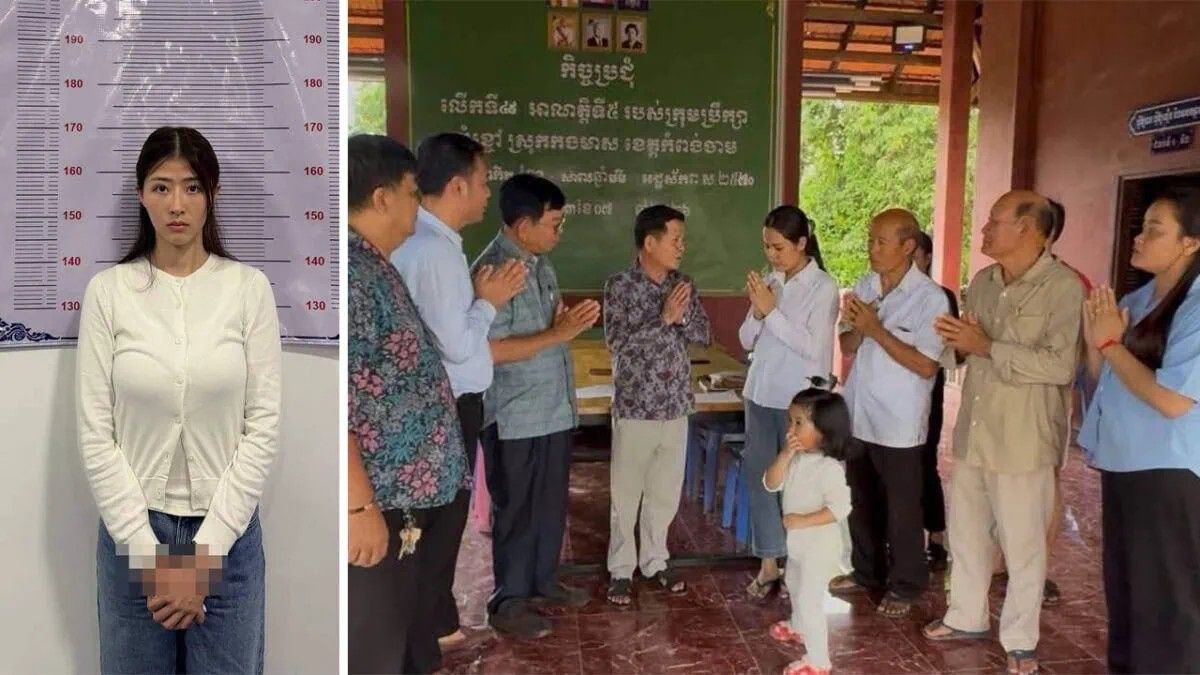
The resolution came through an agreement signed on August 6 between the two families, with both parties reaching what they characterised as an amicable settlement to their dispute. Under the terms established through this arrangement, Oknha Tong Hok Seng, father of the accused driver Sam Meychou, agreed to provide S$60,000 in civil compensation to Limhan's widow. This substantial payment effectively resolved the victim's family's financial grievances stemming from the incident, leading them to withdraw the accompanying civil complaint that had been filed. Seung Kimhor, who served as the family representative in pursuing the civil claim, was among the parties who signed the settlement agreement.
The settlement process included formal oversight to ensure legitimacy and transparency. Commune chief Kong Sekleng and lawyer Phon Thearin both witnessed the agreement, lending official credibility to the arrangement. The signed document explicitly stipulates that both parties have agreed to resolve their dispute through mutual understanding and goodwill, with neither side pursuing additional claims or demands beyond those addressed in the settlement. This clause effectively closes the chapter on financial compensation issues related to the case.
Crucially, the civil settlement between the families carries no bearing on the ongoing criminal investigation. While the victim's family has withdrawn its complaint in criminal case No. 4396—originally filed with the Phnom Penh Municipal Court on July 31, 2026—the state's prosecution of Meychou proceeds independently. The distinction between civil and criminal proceedings in this matter underscores an important legal principle: financial resolution does not preclude the state from pursuing criminal charges when public safety and traffic laws are at stake. This separation ensures that compensation to victims does not become a mechanism through which serious traffic offences escape judicial scrutiny.
According to official accounts, the collision resulted from dangerous driving behaviour. Meychou allegedly crossed the centreline while attempting to overtake another vehicle, subsequently striking Limhan's motorcycle head-on. The victim, who was reportedly returning home carrying milk for his young daughter, was killed instantly upon impact. The incident occurred during nighttime hours in an urban area, suggesting visibility and speed may have been contributory factors to the tragedy.
Witness accounts paint a disturbing picture of the immediate aftermath. Video footage from the scene captured Meychou and a companion departing in a tuk tuk while Limhan's lifeless body remained on the rain-soaked street. This apparent flight from the scene would later form part of the criminal charges against the accused driver. The images circulated widely and underscored public concern about accountability in traffic cases, a matter of particular sensitivity given Cambodia's road safety record.
Authorities moved swiftly in apprehending Meychou. She surrendered herself to police on the afternoon of July 30, two days after the fatal collision occurred. Her decision to turn herself in came after initial investigations had identified her as the driver responsible for the incident. Upon her detention, authorities began the formal charging process that would see her face court proceedings.
On July 31, the Phnom Penh Municipal Court formally charged Meychou with causing a fatal traffic accident and fleeing the scene—two serious offences that carry significant legal consequences. Following an investigation and examination of evidence, the court's investigating judge determined that detention conditions were appropriate and ordered Meychou to remain in pre-trial custody pending further proceedings. This decision reflected judicial assessment that the evidence against her was substantial and that she posed potential flight risks or other dangers.
The case highlights ongoing tensions in Cambodia regarding traffic safety enforcement and victim compensation mechanisms. While civil settlements provide immediate financial relief to grieving families facing sudden loss of income and funeral expenses, they raise questions about whether compensation structures might inadvertently create incentives for wealthy defendants or their families to resolve serious incidents through payment rather than legal accountability. In this instance, the criminal system has maintained its independence from the financial arrangement, preserving the principle that public safety matters transcend private settlements.
For Malaysian and regional observers, the case illustrates how different jurisdictions balance compensatory justice for victims' families with criminal accountability for traffic offences. Cambodia's approach—allowing civil withdrawal whilst maintaining criminal prosecution—differs from some neighbouring systems. The case also demonstrates the importance of witness evidence and video documentation in establishing liability for hit-and-run incidents, a category of traffic crime that remains problematic across Southeast Asia despite awareness campaigns and enforcement efforts.

