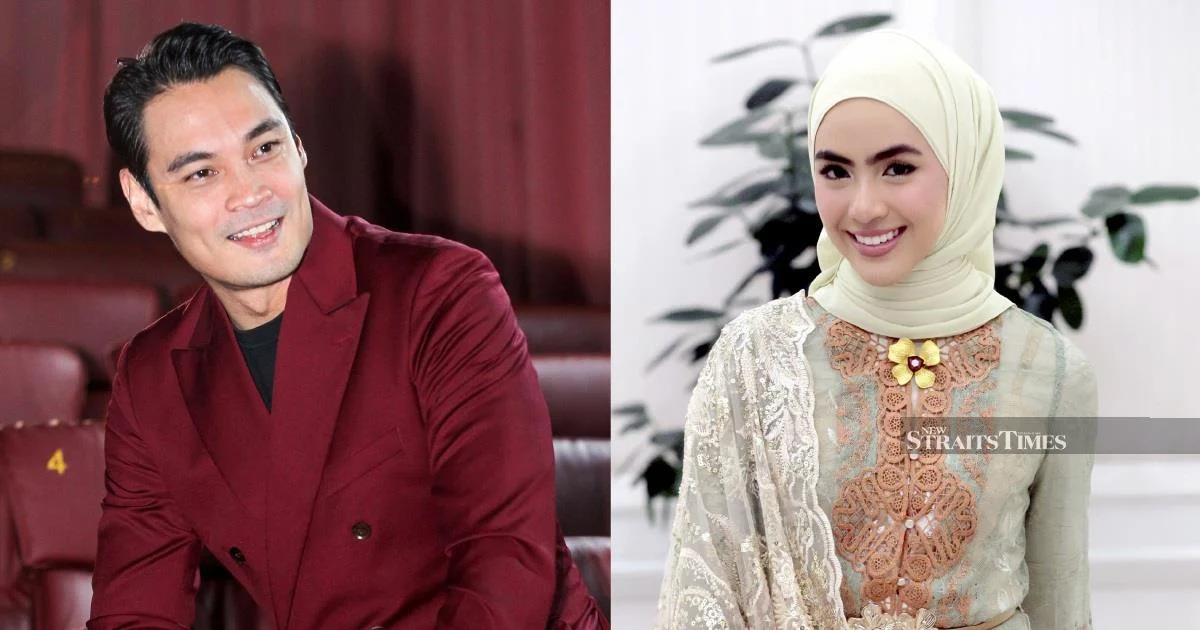
Malaysian actor Hisyam Hamid has responded sharply to gossip circulating on the Threads social media platform, which alleged that he had visited the home of fellow actress Erysha Emyra. The rumour gained traction online in recent days, prompting the actor to issue a public statement addressing what he characterises as entirely without foundation. His response underscores growing frustration within the entertainment industry over the speed with which unverified claims can spread across digital platforms, particularly those focused on celebrity gossip and personal lives.
The timing of the denial comes as social media increasingly serves as a primary source of entertainment news and rumour-mongering in Malaysia. Threads, Meta's text-based platform launched as a competitor to X (formerly Twitter), has emerged as a gathering ground for celebrity speculation and fan discourse. The platform's design—emphasising rapid sharing and viral threads—creates conditions where unsubstantiated claims can gain significant visibility within hours. For public figures like Hisyam Hamid, the challenge of managing their public image has become increasingly complex as traditional media gatekeeping has diminished.
Hisyam Hamid's frustration reflects broader concerns within the Malaysian entertainment sector regarding the distinction between legitimate reporting and baseless rumour-mongering. The actor's decision to address the matter publicly suggests that the allegations had gained sufficient momentum to warrant an official response rather than remaining unacknowledged. This approach represents a strategic choice common among contemporary celebrities, who recognise that silence can sometimes amplify speculation rather than extinguish it. The statement serves both to deny the claim and to signal to his fanbase and the broader public that he takes such matters seriously.
The nature of the rumour itself—alleging a private residential visit between two entertainment professionals—touches on a sensitive area in Malaysian celebrity culture. The country's strong social and religious conservatism means that even vague suggestions of impropriety between unmarried celebrities can generate significant discussion and judgment. What might constitute ordinary professional networking or social interaction in other contexts can become the subject of moral scrutiny in Malaysia. This cultural backdrop makes rumours particularly damaging for actors and actresses, regardless of their veracity.
Erysha Emyra, the other party mentioned in the rumour, has not yet publicly commented on the allegations. Her silence may reflect a deliberate strategy to avoid amplifying the gossip further, or it could indicate that she has addressed the matter privately with Hisyam Hamid or her own management team. The asymmetrical responses from parties involved in celebrity rumours are commonplace, as individuals weigh the risks and benefits of public engagement versus discretion. Some industry observers argue that responding fuels continued discussion, while others contend that silence can be misconstrued as tacit acceptance.
The incident highlights the evolving media landscape in Malaysia, where entertainment news operates across multiple platforms simultaneously. Traditional entertainment journalism outlets must now compete with organic social media discussions, fan accounts, and dedicated gossip pages. This fragmentation of the news ecosystem means that rumours can achieve widespread circulation without ever being professionally investigated or verified. For celebrities, the challenge of controlling narrative has become exponentially more difficult than in the pre-social media era.
Industry insiders note that such rumours are not uncommon within Malaysian entertainment circles, particularly when actors and actresses collaborate on projects or appear together at industry events. The increased scrutiny of celebrity interactions reflects both genuine fan interest and a broader culture of surveillance enabled by social media. Every appearance together, every posted photograph, and every professional engagement between celebrities of different genders becomes potential fodder for speculation. This environment creates a chilling effect on normal professional collaboration and socialising.
The broader implications for Malaysian entertainment extend beyond this specific incident. The prevalence of unvetted rumours on social platforms raises questions about digital literacy and critical evaluation of online information. Many users share content without verification, treating social media as a neutral conduit rather than an environment where misinformation spreads readily. The speed at which allegations can circulate means that damage to reputations occurs rapidly, often before individuals have opportunity to respond or before the veracity of claims can be established.
Hisyam Hamid's public statement represents one actor's attempt to reclaim narrative control in an environment where such control has become increasingly elusive. His characterisation of the rumours as baseless and his expression of disappointment serve both as denial and as commentary on the state of contemporary celebrity culture. The incident underscores the ongoing tension between privacy expectations, public interest, and the mechanics of digital communication platforms that prioritise engagement over accuracy. As Malaysian entertainment professionals navigate these challenges, clear communication and strategic media engagement have become essential components of career management.

