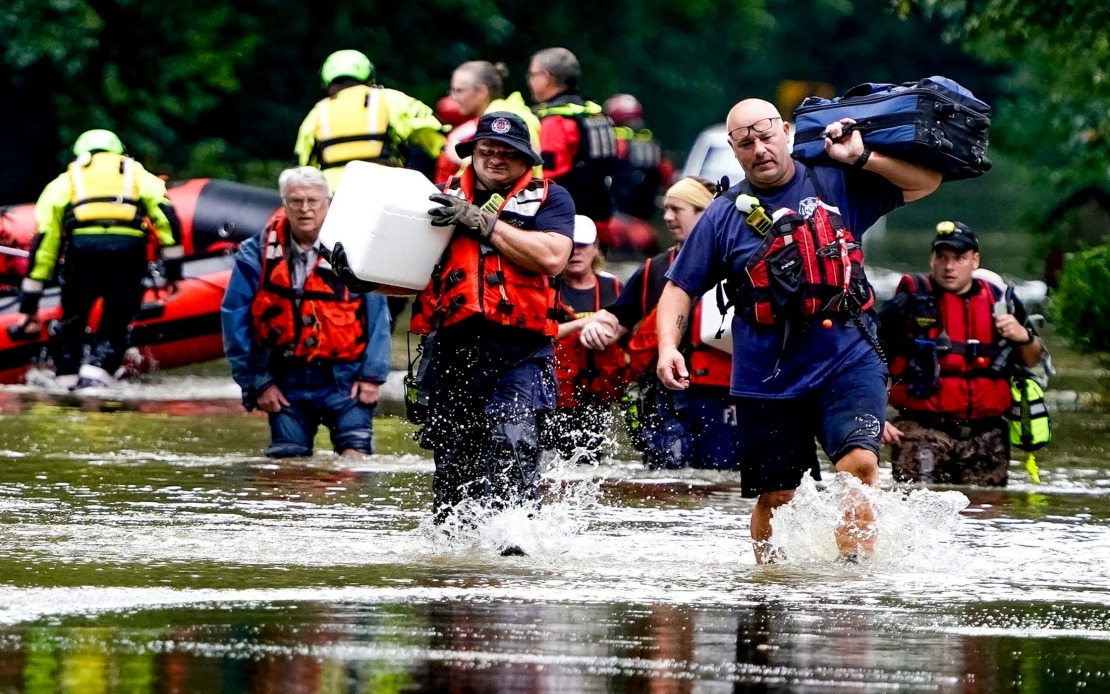
A catastrophic storm system has battered the American state of Indiana, leaving at least six people dead and triggering what emergency management officials are describing as a once-in-a-lifetime flooding event. The tempestuous weather system unleashed more than 11 inches of rain across portions of the state over just two days, transforming waterways into raging torrents and inundating communities with a ferocity unseen in over a century.
The most severe damage has concentrated along the White River corridor, which stretches from Hamilton County through the northern suburbs of Indianapolis. This critical waterway rose above 24 feet in both Anderson and Noblesville, obliterating flood records established in 1913 and establishing new benchmarks for water levels in the region. The scale of inundation prompted Indianapolis Mayor Joe Hogsett to declare a local emergency and issue evacuation orders to residents living near the river's banks, underscoring the unprecedented nature of the crisis.
Rescue operations have been extraordinary in their scope, with authorities confirming that more than 90 people and 45 pets have been extracted from dangerous situations created by the deluge. In neighbourhoods such as Ravenwood on Indianapolis' south side, the floodwaters have been particularly destructive, submerging vehicles and advancing up to the entrances of residential properties. Residents have been forced to resort to improvised watercraft, including kayaks and rowboats, to navigate streets that have transformed into temporary waterways. The scenes reflect the desperation of communities grappling with environmental forces that have overwhelmed conventional flood management infrastructure.
Jacob Spence, director of Marion County Emergency Management, characterized the event in stark terms, emphasising that the flooding represents an extraordinary meteorological occurrence that has shattered previous expectations about water levels and inundation patterns in the region. His assessment reflects the genuine shock among disaster management professionals who have witnessed records established over a century ago being overturned within a single storm cycle. This suggests that climate patterns or storm intensification may be producing weather events that exceed the historical frameworks used to design protective infrastructure across the region.
The casualties span multiple counties across Indiana, with fatalities confirmed in Jennings, White, Porter, and La Porte counties in addition to Indianapolis. In Delaware County, a 58-year-old woman perished after attempting to navigate her vehicle through swollen floodwaters, a reminder of how quickly water accumulation can become lethal. Indiana Department of Homeland Security officials have emphasized the dangers of driving through inundated areas, as the force and depth of moving water creates invisible hazards that frequently overwhelm vehicles and their occupants.
Governor Mike Braun has coordinated with federal authorities to accelerate disaster relief mechanisms, engaging directly with President Donald Trump regarding expedited Federal Emergency Management Agency declarations necessary for comprehensive federal assistance. Braun issued emotional statements acknowledging the human cost of the disaster, urging residents to treat flood warnings with appropriate seriousness and to maintain safe distance from dangerous water conditions. His appeals reflect growing concern that some residents may underestimate the lethal potential of floodwaters.
The National Weather Service continues to monitor atmospheric conditions across central Indiana, with flash flood warnings remaining active and additional storm systems forecast to arrive in the coming period. Todd Wilson, director of Indianapolis' public works department, stressed that water levels continue climbing and that residents must heed official guidance. The prospect of additional rainfall poses compounded risks, as saturated ground and elevated water tables could amplify the impact of subsequent precipitation events.
The storm system's effects have extended well beyond Indiana's borders, triggering tornadoes, intense precipitation, and flash flooding across a broad Midwest corridor. Communities from the Chicago metropolitan area eastward to western Pennsylvania have reported storm-related damage, indicating a weather pattern of continental significance. This geographic dispersion suggests that the atmospheric conditions producing Indiana's catastrophe represent a large-scale meteorological system rather than a localized phenomenon.
For Malaysian and Southeast Asian observers, Indiana's flooding provides perspective on the increasingly severe weather events occurring across the globe. While tropical storms and monsoon flooding are familiar phenomena in the region, the historical nature of records being broken by contemporary storms in North America reinforces scientific discussions about changing climate patterns. The emergency response mobilization in Indiana—involving state and federal coordination, massive rescue operations, and rapid damage assessment—offers comparative insights into disaster management protocols employed in developed nations, which Malaysia's own emergency services may consider when evaluating preparedness frameworks for increasingly intense weather events.

