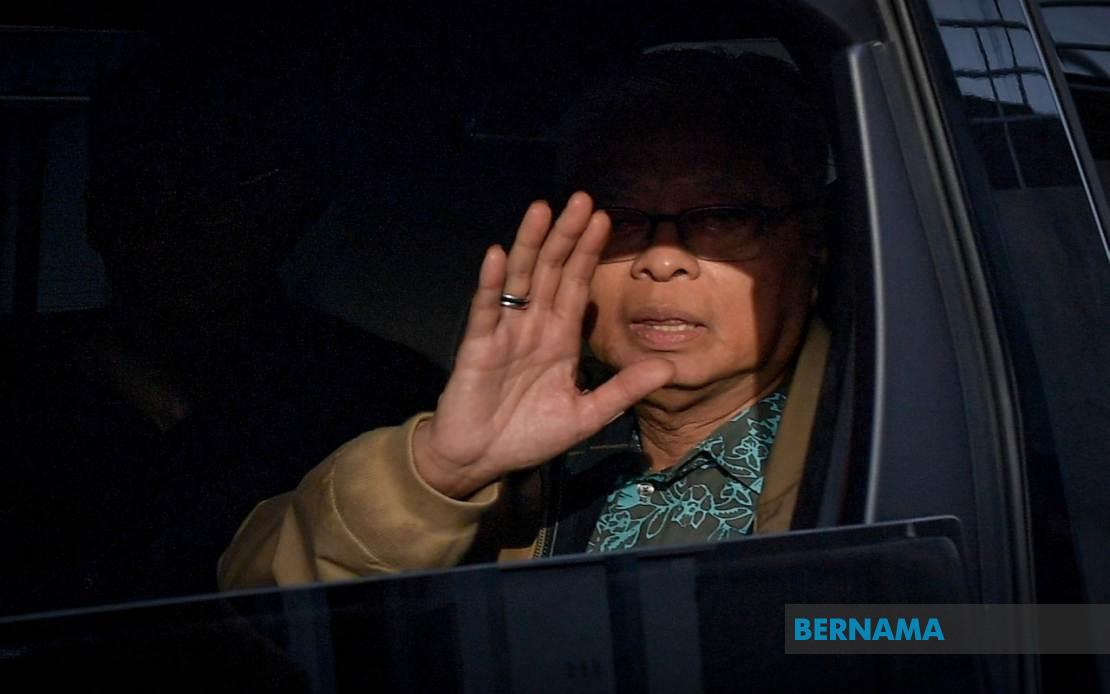
A Malaysian High Court has reinforced a lower court's decision to acquit blogger Jufazli Shi Ahmad of charges stemming from YouTube videos he posted critical of former Prime Minister Datuk Seri Ismail Sabri Yaakob and the UMNO party. Judge Datuk Aslam Zainuddin delivered the ruling on dismissing the prosecution's appeal, thereby affirming the Sessions Court's original acquittal judgment from October 2024. The decision marks a significant moment in Malaysia's ongoing debate about digital free expression and the limits of online political commentary.
Jufazli faced two separate charges arising from activity on his 'King Maker Politik' YouTube channel in mid-2022. The first involved creating and transmitting offensive communications with the specific intent to annoy another person through a video uploaded on June 27, 2022, which was subsequently accessed by police investigators at the Dang Wangi District Police Headquarters on July 1 that year. The second charge related to his refusal to surrender the password to his YouTube account when requested by officers at the same police headquarters on July 5, 2022. Both allegations carried substantial potential penalties under Malaysia's digital communications legislation.
The charges invoked provisions from the Communications and Multimedia Act 1998, a statute that has frequently featured in cases involving online political expression in Malaysia. The first charge, framed under Section 233(1)(a) and prosecuted under Section 233(3), carried a maximum penalty of RM50,000 in fines or one year imprisonment, with additional daily fines of RM1,000 possible following conviction. The second charge, citing Section 249 of the same Act, threatened even steeper consequences: up to RM100,000 in fines or imprisonment for two years. These provisions were designed to address harmful digital communications but have attracted scrutiny from civil liberties advocates who argue they can be applied too broadly to stifle legitimate political discourse.
The High Court's decision to uphold the acquittal carries implications that extend beyond this single case. Judge Aslam's endorsement of the Sessions Court's assessment suggests that the lower court correctly evaluated the evidence and determined that the prosecution had failed to establish its case beyond reasonable doubt. The fact that the court maintained this position after examining the full appeal record indicates a thorough review of the arguments presented by both the Deputy Public Prosecutor Mohamad Fadhly Mohd Zamry for the state and Jufazli's lawyer Ramesh N.P. Chandran for the defence.
For Malaysia's digital rights landscape, this ruling provides a degree of clarity regarding the application of offensive communication laws to political content. The acquittal suggests that merely posting critical videos about political figures or parties, even those framed in provocative language, may not automatically constitute criminal conduct under Section 233. The threshold for establishing an offence appears to require more than simple disagreement or harsh criticism, a distinction that could influence how authorities approach similar cases going forward. This nuance is particularly important given Malaysia's multi-party political environment and the increasingly significant role of social media in political discourse.
The case also illuminates questions about digital privacy and compulsion in Malaysia's investigative procedures. Jufazli's second charge related specifically to his refusal to provide account access credentials to police. While law enforcement agencies have legitimate needs to investigate alleged crimes, the acquittal on this count raises considerations about the extent to which individuals can be compelled to surrender passwords and authentication information. The decision may indicate that merely refusing to provide such access, without additional context suggesting obstruction of justice or destruction of evidence, does not automatically constitute a violation of communications law.
The prosecution's decision to appeal the original acquittal reflects the seriousness with which authorities approached the case. Launching an appeal against an acquittal requires demonstrating that the trial judge made significant errors in law or assessment of facts. The High Court's dismissal of this appeal, however, suggests that such errors were not apparent to the appellate bench. This outcome may discourage prosecutors from pursuing similar cases unless they possess considerably stronger evidence of criminal intent or harm.
Context matters significantly in understanding this case's relevance to Malaysian political culture. The videos in question were posted during 2022, a period when the nation's political landscape remained turbulent following the collapse of various coalition governments. Ismail Sabri himself served as Prime Minister from August 2021 to September 2022, a tenure marked by considerable internal UMNO tensions and broader governmental instability. Political commentary on these developments, particularly through digital channels, formed part of the wider public conversation about the country's direction during that volatile period.
YouTube and similar platforms have become increasingly central to Malaysian political communication, particularly among younger voters and those seeking alternative perspectives to traditional mainstream media. The 'King Maker Politik' channel name itself suggests content focused on political analysis and commentary regarding power dynamics within Malaysian politics. The High Court's decision to uphold the acquittal effectively protects this form of digital political engagement from criminal sanction, at least when content does not cross into demonstrably actionable offences beyond mere criticism or controversial viewpoints.
The broader implications for Malaysia's commitment to digital freedom remain relevant. International observers and civil liberties organisations have periodically raised concerns about the potential for communications legislation to inhibit legitimate expression. While the acquittal does not overturn the statutory framework, it does establish that courts will scrutinise prosecutions under these provisions carefully and will not automatically criminalize political commentary simply because it adopts a critical or acerbic tone. This judicial restraint is significant in a jurisdiction where digital expression continues to expand as a platform for political participation.
Jufazli's legal victory also reflects the competent advocacy of his representation by lawyer Ramesh N.P. Chandran, whose arguments evidently persuaded both the trial judge and, subsequently, the appellate court that the prosecution's case did not meet the necessary threshold for conviction. The legal profession's role in contesting government overreach, even in cases involving controversial political commentary, remains important to Malaysia's evolving democratic institutions. Successful defences against broadly-construed communications charges can help calibrate the application of such legislation within reasonable boundaries.
Moving forward, this decision may influence how different agencies within Malaysia's law enforcement and prosecution apparatus approach similar digital political content. Police investigating online political commentary will likely face greater scrutiny in determining whether conduct truly violates communications statutes or merely represents protected speech. Prosecutors may become more selective in pursuing charges that rest primarily on the offensive nature of political viewpoints rather than on clearly demonstrable harm or criminal intent beyond mere expression of contrary political opinions.
The acquittal's finality, confirmed by the High Court's dismissal of the prosecution's appeal, closes this particular chapter in Malaysia's relationship with digital political expression. While the Communications and Multimedia Act 1998 remains available for legitimate application to genuinely harmful conduct online, the judiciary's handling of this case suggests that such statutes will be applied with appropriate restraint and respect for the space necessary for political participation in a democracy.

