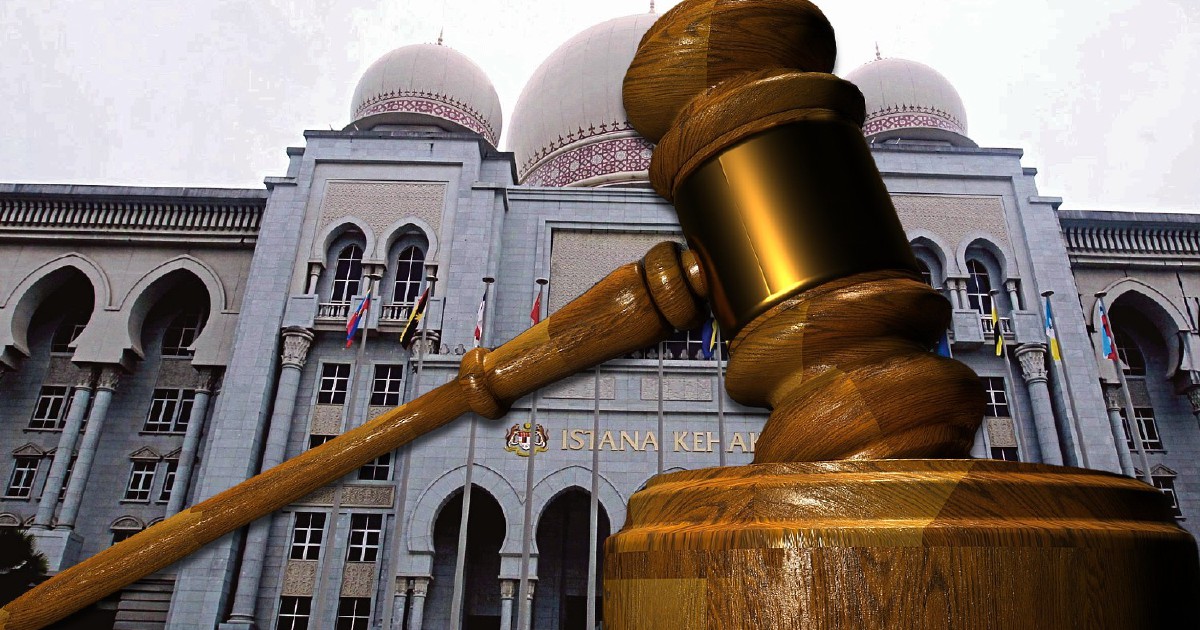
Malaysia's High Court is set to make significant procedural determinations on September 21 in the civil case brought against Prime Minister Anwar Ibrahim by Muhammed Yusoff Rawther, his former research assistant, who has alleged sexual assault. The hearing will focus on preliminary matters that Anwar's legal team has raised, with the court needing to decide whether these technical and procedural questions should be settled prior to the substantive trial or dealt with concurrently.
Preliminary issues in civil litigation serve as gatekeeping mechanisms that can substantially shape how a case proceeds. They typically encompass questions about jurisdiction, the proper forum for hearing the dispute, whether the plaintiff has legal standing to bring the action, the adequacy of pleadings, and whether certain defences can be determined on technical grounds without proceeding to a full trial. In high-profile cases involving public figures, such determinations often generate significant legal and public interest because they can accelerate timelines or potentially narrow the scope of evidence to be presented.
The civil suit represents one layer of legal proceedings faced by Anwar, Malaysia's Prime Minister since November 2022. The distinction between criminal and civil litigation is crucial for Malaysian readers to understand: a civil suit focuses on claims of wrongdoing between private parties and seeks remedies such as monetary damages or declarations, whereas criminal proceedings involve the state as prosecutor and can result in imprisonment. This civil action operates independently of any criminal proceedings that may exist.
Anwar's decision to raise preliminary issues reflects a common litigation strategy employed by defendants in sensitive cases, particularly where public figures face allegations that could damage their reputation and political standing. By bringing preliminary objections before trial, the defence can test the legal foundations of the claim, potentially eliminate certain aspects before full evidence is heard, and gain tactical advantage through early judicial rulings. The September 21 hearing will essentially determine whether the court finds merit in any of these preliminary arguments or whether the case should proceed to full trial with all pleadings intact.
The involvement of Muhammed Yusoff Rawther adds another dimension to this case, as former staff members of political figures sometimes find themselves in complex legal and employment situations. The nature of allegations involving research aides and senior politicians often raises questions about workplace dynamics, power differentials, and access to senior office that capture public and legal attention in Malaysia's political landscape.
For Malaysian jurisprudence, this case may contribute to developing precedent around how courts handle civil claims of sexual assault against prominent public figures, particularly sitting government leaders. The intersection of parliamentary immunity, civil liability, and allegations of personal misconduct continues to evolve in Malaysian law. Previous cases have shown that courts carefully balance the public interest in holding leaders accountable with the practical realities of allowing government functions to continue unimpeded by constant litigation.
The timing of the preliminary hearing carries implications for the broader legal calendar. Depending on the court's rulings on September 21, the case could move more rapidly toward trial, or preliminary orders could extend the procedural phase significantly. High Court decisions on preliminary matters can also be subject to appeal, potentially adding further layers to the timeline before substantive evidence is heard.
From a regional perspective, this case reflects broader patterns seen across Southeast Asia regarding civil litigation involving allegations against sitting political leaders. Countries like Thailand, Indonesia, and the Philippines have grappled with similar questions about how judicial systems balance access to justice with the practical necessities of governance. Malaysia's approach, as demonstrated through this case, shows a commitment to allowing civil claims to proceed while using procedural mechanisms to ensure cases are properly structured before trial.
The Malaysian legal system's handling of this matter will also be scrutinised by civil society organisations, legal professionals, and international observers interested in judicial independence and the rule of law. Cases involving sitting prime ministers naturally draw heightened attention because they test whether the judicial system operates equally regardless of the defendant's political station and power.
Anwar's legal team will need to demonstrate that the preliminary issues they've raised have genuine legal merit and that resolving them separately will serve the interests of justice rather than merely delay proceedings. Conversely, Rawther's legal representatives will argue that the preliminary issues lack substance or that they should not prevent the case from proceeding to trial on its merits. The High Court judge will need to weigh arguments from both sides carefully, applying established principles of civil procedure while maintaining the court's institutional integrity.
The outcome on September 21 will set the trajectory for this civil suit for months or potentially years to come, depending on appeal possibilities and the scope of any preliminary orders issued. As Malaysian politics continues to navigate questions about accountability, justice, and the rule of law, how the courts handle this high-profile case will resonate beyond the immediate litigants involved.

